Key Takeaways
- The best exfoliation method depends on your skin type, concerns, and comfort with downtime.
- Dermaplaning, microdermabrasion, and chemical peels exfoliate the skin in different ways.
- More exfoliation is not always better, especially when skin feels dry, tight, or irritated.
- Sun protection and gentle moisturizing are essential after exfoliation.
- Active acne, rosacea, eczema, sunburn, and open skin may require professional guidance before treatment.
Facial exfoliation can make skin feel smoother, help remove surface buildup, and create a more polished-looking complexion. However, the right approach is not the same for everyone. Your skin type, current routine, desired results, and tolerance for temporary redness or peeling should all guide the decision. For people exploring professional options in Coastal Virginia, dermaplaning Virginia Beach information from Medical Aesthetics of Virginia offers useful local context. The Norfolk-based facial aesthetics practice provides dermaplaning services to remove fine facial hair and surface dead skin cells, making it a relevant resource for clients in Norfolk, Virginia Beach, and nearby Hampton Roads communities who want to determine whether this form of exfoliation aligns with their goals.
Why Exfoliation Matters For Skin Care
Exfoliation is the process of removing dead cells from the skin’s outermost layer. When done properly, it may help the skin feel softer, look less dull, and allow makeup to apply more smoothly. It can be physical, using a tool or textured surface, or chemical, using ingredients that loosen surface cells. The keyword is “appropriately.” Over-exfoliation can compromise the skin barrier and lead to stinging, flaking, redness, sensitivity, or breakouts. The American Academy of Dermatology’s guidance on safe exfoliation emphasizes choosing a method based on skin type, considering products already in use, and avoiding overly aggressive routines. Daily broad-spectrum sunscreen is equally important because freshly exfoliated skin can be more vulnerable to sun-induced irritation.
How To Choose An Exfoliation Method
Start with one primary concern rather than trying to address everything at once. A person who wants a smoother makeup base may prefer a different treatment than someone focused on dark marks, congestion, rough texture, or fine facial hair.
- Identify your goal.Consider whether texture, dullness, peach fuzz, uneven tone, or clogged pores is your main concern.
- Assess sensitivity.Skin that regularly burns, flakes, or reacts to products needs a gentler plan.
- Consider downtime.Some treatments may leave temporary redness, dryness, or peeling.
- Review your routine.Retinoids, acne medications, scrubs, and exfoliating acids can change what is appropriate.
Where Dermaplaning Fits
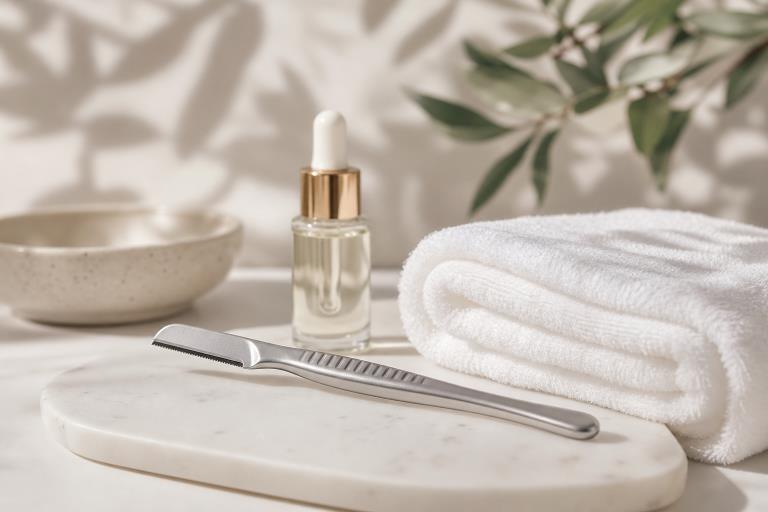
Dermaplaning is a professional physical exfoliation treatment that uses a sterile blade to remove surface buildup and fine facial hair, often called peach fuzz. It may appeal to people seeking a smoother feel and a clean-looking canvas for makeup application. Unlike a chemical peel, dermaplaning does not rely on acids to exfoliate the skin. It is not automatically the best option for every concern. People with irritated skin, inflamed acne, or certain chronic skin conditions may need to postpone treatment or choose another approach. A thoughtful consultation should focus on current skin health, not just the result you hope to see.
Dermaplaning, Microdermabrasion, And Chemical Peels
- Dermaplaning:Uses a blade to remove dead surface cells and fine facial hair. It may suit people who want immediate smoothness and do not have active irritation or breakouts.
- Microdermabrasion:Uses controlled mechanical exfoliation to refresh the outer skin layer. It may be considered for mild roughness, dullness, and uneven texture, although comfort and results vary by device and skin sensitivity.
- Chemical peels:Use carefully selected acids to encourage shedding of damaged surface cells. They may be used for tone, texture, and selected pigmentation concerns, but strength and recovery time can range widely.
None of these options should be viewed as a one-size-fits-all solution. More intensive treatment is not necessarily more effective, particularly when the skin barrier is already stressed.
Choosing Based On Skin Type
Dry Or Dehydrated Skin
Choose a gentle method and prioritize moisturizer afterward. Avoid stacking exfoliating scrubs, acids, and retinoids in the same routine, since this can leave dry skin feeling raw or tight.
Oily Or Congested Skin
Surface buildup may be part of the issue, but aggressive exfoliation is not a universal answer for acne. Painful, inflamed, or persistent breakouts deserve medical evaluation rather than repeated scrubbing.
Sensitive Skin
Ask about treatment intensity and patch-test-suitable products, and skip exfoliation when skin is burning, peeling, sunburned, or inflamed. Simplicity is often more helpful than adding multiple active ingredients.
Uneven Tone Or Dark Marks
Irritation can contribute to lingering discoloration for some people. Consistent sunscreen use and professional advice can be especially valuable when dark marks are a primary concern.
How To Prepare Before Treatment
- Share your complete skin-care routine during the consultation.
- Mention prescription products, retinoids, acne treatments, and recent procedures.
- Pause strong exfoliants only when directed by your provider.
- Reschedule if you have sunburn, open skin, a rash, or severe irritation.
- Arrive with clean skin if the practice requests it.
Simple Aftercare Steps
- Use a mild cleanser and fragrance-free moisturizer.
- Apply broad-spectrum sunscreen every day and limit direct sun exposure.
- Avoid picking, rubbing, harsh brushes, and abrasive scrubs.
- Pause strong acids and retinoids until your skin feels comfortable, following provider instructions.
When To Wait Or Ask A Professional
Take extra care if you have active acne, rosacea, eczema, cold sores, very reactive skin, or a history of post-inflammatory dark marks. Harvard Health’s discussion of dermaplaning safety notes that people with sensitive skin or conditions such as acne, rosacea, and eczema may be better served by avoiding dermaplaning. Professional guidance can help determine whether waiting, modifying treatment, or choosing a different option is safer.
Questions To Ask Before Booking
- Who will perform the treatment?
- Why is this specific form of exfoliation being recommended?
- What results are realistic after one session?
- How long might redness or sensitivity last?
- Which products should be paused before and after treatment?
- What symptoms would mean I should contact the provider?
Final Thoughts
The right facial exfoliation method should support your skin, not leave it feeling overworked. By choosing a treatment that aligns with your goals, protecting your skin barrier, using sunscreen consistently, and seeking qualified guidance when needed, you can make a more confident skin-care decision in 2026. A thoughtful approach considers your skin type, sensitivity, lifestyle, and desired results rather than following every trend. Consistency is often more important than aggressive treatments, and healthy skin requires a balance between renewal and protection. Taking time to understand available options, follow proper aftercare, and adjust your routine as your skin changes can help maintain a smoother, healthier-looking complexion over time.