Key Takeaways
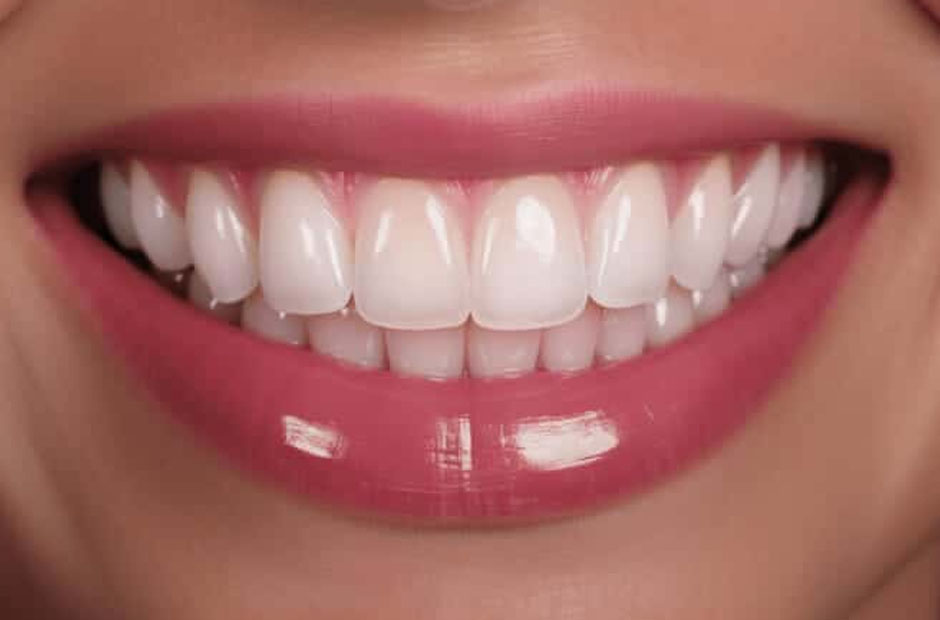
- Dental implants deliver a permanent, natural-looking solution for missing teeth, closely replicating the look and function of natural teeth.
- Choosing implants helps preserve jawbone strength, thereby preventing bone deterioration that often follows tooth loss.
- Implants contribute to clearer speech, easier eating, and better overall oral health.
- The treatment process includes several key phases: consultation, implant placement, and restoration attachment.
- With dedicated oral hygiene, dental implants can provide lifelong benefits.
Dental implants are redefining modern dentistry by offering a reliable, long-lasting solution for people who have lost one or more teeth. Unlike dentures or bridges, implants serve as stable replacements that feel, look, and function like your own teeth. Whether you are looking to improve your appearance or aiming to restore proper oral function, learning about dental implants is essential for anyone considering tooth replacement options. For those concerned about treatment expenses, understanding the dental implant cost is an important step in making an informed decision. Dental implants do more than fill in the gaps left by missing teeth; they play a crucial role in preserving your jaw structure and maintaining your overall oral health. Since implants anchor directly into the jawbone, they provide a secure foundation for replacement teeth and help prevent bone loss. This not only sustains your facial structure but also ensures you can eat, speak, and smile confidently for years to come. Apart from the functional and health benefits, implants offer a substantial emotional boost. Regaining a complete smile can enhance your self-esteem and make you feel more at ease in social situations. Investing in implant dentistry means investing in your quality of life. Another vital aspect to consider is the longevity and reliability of implants. With the right care, dental implants can last a lifetime, surpassing many other restorative options. Your dental professional will guide you through every phase to make certain your journey is smooth and successful.
What Are Dental Implants?
Dental implants are prosthetic devices designed to imitate natural tooth roots. Crafted from biocompatible materials such as titanium, these artificial roots are surgically integrated into your jawbone through a process called osseointegration. This creates a secure anchor for crowns, bridges, or dentures. Unlike removable dentures, implants provide a stable, comfortable bite that closely mimics the function and appearance of your original teeth.
Benefits of Dental Implants
- Natural Appearance:Implants are custom-crafted to blend seamlessly with your existing teeth, restoring your smile’s natural beauty and symmetry.
- Improved Speech:Loose dentures can cause you to slur words, but implants let you speak clearly without fear of slipping or clicking.
- Greater Comfort:Because they fuse with your jawbone, implants eliminate the discomfort sometimes associated with removable dentures.
- Easier Eating:Implants restore nearly full chewing power, meaning you can comfortably enjoy your favorite foods again.
- Long-Lasting Durability:With proper maintenance, implants hold up for decades, often for life.
- Preserved Oral Health:Unlike bridges, implants don’t require grinding down healthy teeth for support and thus protect your smile for the long term.
The Dental Implant Procedure
- Initial Consultation:Your dentist will assess your oral health, take X-rays, and discuss the most suitable treatment plan for you. At this stage, your eligibility for implants will be determined by factors such as bone density and overall health.
- Surgical Placement:During this step, the implant is carefully inserted into the jawbone. Local anesthesia or sedation ensures your comfort throughout the straightforward surgical procedure.
- Healing Period:Over several weeks to a few months, osseointegration occurs as your bone fuses tightly with the implant post. This period is crucial for long-term stability.
- Abutmentand Crown Attachment: Once healing is complete, an abutment is affixed to the implant post, followed by a custom-made crown for a flawless finish.
Caring for Your Dental Implants
Maintaining dental implants involves many of the same good hygiene habits you use for natural teeth:
- Brush your teeth at least twice daily using a soft-bristled toothbrush to prevent the buildup of plaque around your implant.
- Floss every day to clear debris from between teeth and around the implant structure.
- Use an antibacterial mouthwash to help minimize bacterial growth and protect the soft tissues around the implant.
- Visit your dentist for routine checkups and professional cleanings to monitor the health and stability of your implants.
Are You a Candidate for Dental Implants?
Most adults with stable overall health and healthy gums are eligible for dental implants. Adequate jawbone density is essential for implant support, but bone grafting procedures may be available if bone loss has occurred. Factors such as uncontrolled chronic illnesses like diabetes, heavy smoking, or certain medications may complicate the healing process. Only a thorough dental examination can determine the best approach for your unique situation.
Conclusion
Dental implants are an outstanding choice for restoring missing teeth, confident smiles, and oral health. With a strong foundation rooted in your jawbone, they allow you to speak clearly, eat comfortably, and maintain a healthy, vibrant appearance. If you are ready to renew your smile, consult with an experienced dentist and explore whether dental implants are right for you.