The Foundation of Home Improvement: Balancing Exterior Protection and Indoor Comfort
Maintaining a comfortable and safe home requires ongoing attention, especially in places like Draper, UT. The exterior of your house works hard to protect against the weather, while interior systems ensure your family stays cozy. Neglecting either can lead to bigger problems and higher costs down the road. We understand the challenges homeowners face with home improvement, from minor repairs to major renovations. Regular care, like professional S.O.S. AC maintenance Draper, helps keep your systems running efficiently. This article will guide you through essential strategies to keep your home in top shape, focusing on both its structural integrity and interior comfort. We’ll explore how smart updates can enhance your living space and even increase its value.
For deeper insights into maintaining your home, explore our comprehensive Home Maintenance Essentials guide (Up Link) or discover tailored solutions for your needs at Our Services (Down Link).
Ready to take the next step in improving your home? Contact us today (Down Link).
The exterior of your home is its first and most crucial line of defense against the elements. From the roof overhead to the foundation below, every component plays a vital role in maintaining structural integrity and contributing to your indoor climate control. Effective home improvement in these areas isn’t just about aesthetics; it’s about creating a robust weather barrier that prevents moisture intrusion, mitigates heat transfer, and enhances overall energy efficiency. A well-maintained exterior safeguards your home from costly damage and ensures a more comfortable living environment year-round. For instance, specialized services like those offered by reputable San Antonio home improvement roofing companies highlight the regional importance of robust exterior protection against diverse weather patterns.
Essential Home Improvement Strategies for Year-Round Comfort
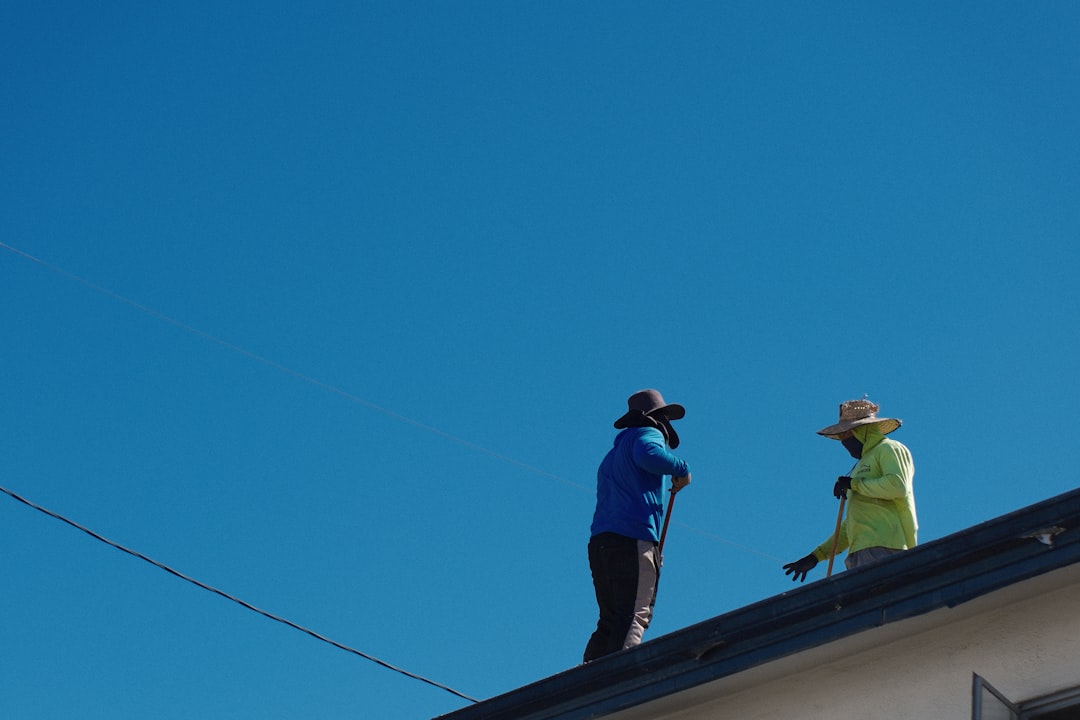
Your roof is arguably the most critical component of your home’s exterior. Choosing the right roofing materials, whether it’s durable asphalt shingles, long-lasting metal, or aesthetically pleasing tile, directly impacts their ability to shed water and withstand harsh weather. Beyond the visible surface, proper roof integrity relies heavily on underlying insulation and adequate attic ventilation. Insulation acts as a thermal barrier, slowing down heat transfer between your living spaces and the attic. In colder months, it keeps heat inside, while in warmer periods, it prevents external heat from radiating inwards.
Equally important is attic ventilation, which works in tandem with insulation to regulate temperature and prevent moisture buildup. Without proper ventilation, trapped heat can prematurely age roofing materials and elevate indoor temperatures, increasing the load on your HVAC system. Conversely, in winter, poor ventilation can lead to condensation and ice damming, causing water damage. Addressing moisture prevention throughout your home’s exterior, from properly installed flashing around windows and chimneys to well-maintained gutters and downspouts, is paramount. These measures divert water away from your home’s foundation, protecting against leaks, mold growth, and structural decay.
Upgrading Your Thermal Envelope
The concept of a “thermal envelope” refers to the continuous barrier around your home that separates conditioned indoor air from unconditioned outdoor air. Upgrading this envelope is a cornerstone of effective home improvement for energy efficiency. One primary strategy is air sealing, which involves identifying and sealing cracks, gaps, and penetrations in your home’s structure. These often overlooked openings can account for a significant amount of energy loss, allowing conditioned air to escape and outside air to infiltrate. Common areas for air leaks include around windows and doors, electrical outlets, plumbing penetrations, and attic access points.
Beyond air sealing, the durability and insulating properties of your siding also contribute to the thermal envelope. Modern siding materials offer improved insulation and weather resistance, protecting your home while reducing energy use. Similarly, upgrading to high-performance windows can dramatically reduce heat transfer. Double or triple-paned windows with low-emissivity (Low-E) coatings and argon gas fills are designed to minimize heat gain in summer and heat loss in winter, directly impacting your home’s comfort and energy bills. Investing in these exterior improvements creates a more stable indoor environment, reducing the workload on your heating and cooling systems and ultimately leading to long-term savings.
Optimizing Indoor Climate Control and Airflow
While the exterior protects, your indoor climate control systems, primarily your HVAC (Heating, Ventilation, and Air Conditioning) unit, are responsible for maintaining a comfortable and healthy living environment. Optimizing these systems is a critical aspect of home improvement, directly impacting airflow efficiency, indoor air quality, and energy conservation. Regular seasonal maintenance of your HVAC system is not just about preventing breakdowns; it’s about ensuring system longevity and consistent performance. A well-maintained system operates more efficiently, consumes less energy, and provides better air quality, contributing significantly to your home’s overall comfort and your family’s well-being.
Preventive Home Improvement Measures for Heating and Cooling
Proactive measures are key to keeping your HVAC system running smoothly. One of the simplest yet most impactful steps is to replace filters regularly. Dirty filters restrict airflow, forcing your system to work harder, increasing energy consumption, and reducing its lifespan. We recommend checking your filters monthly and replacing them every 1 to 3 months, depending on usage and household factors such as pets or allergies. Another crucial measure is duct cleaning. Over time, dust, allergens, and debris can accumulate in your ductwork, impacting air quality and restricting airflow. Periodic professional duct cleaning can improve efficiency and reduce the circulation of airborne contaminants.
Thermostat calibration is also vital for accurate temperature control. An uncalibrated thermostat might read temperatures incorrectly, causing your system to run longer or shorter than necessary, leading to discomfort and wasted energy. Smart thermostats, in particular, offer advanced features such as programmable schedules and remote access, enabling precise control and additional energy savings. By consistently implementing these preventive home improvement measures, you ensure optimal system performance, extend your unit’s life, and maintain a consistent, comfortable indoor climate.
The Role of Professional HVAC Tune-Ups
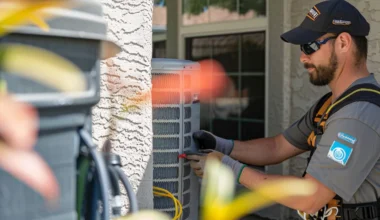
While routine homeowner maintenance is essential, professional HVAC tune-ups are indispensable for ensuring that the complex components of your system function correctly. During a comprehensive tune-up, a certified technician will inspect and service critical parts such as the compressor, which is the heart of your air conditioning unit. They will also check refrigerant levels to ensure they are optimal for efficient cooling. Low refrigerant can indicate a leak and significantly reduce cooling capacity.
Electrical connections throughout the system are tightened and inspected for wear, preventing potential fire hazards and ensuring reliable operation. Additionally, airflow balancing is performed to ensure conditioned air is evenly distributed throughout your home, eliminating hot and cold spots. The technician will also clean coils, lubricate moving parts, and conduct a thorough safety check. These detailed inspections and adjustments not only enhance efficiency and prevent unexpected breakdowns but also extend your system’s longevity, safeguarding your investment. For homeowners seeking reliable local expertise, exploring AC maintenance options in Draper can provide peace of mind and ensure their systems are professionally maintained.
The Cultural Legacy of the Home Improvement Sitcom
Beyond the practical aspects of maintaining a home, the phrase “home improvement” also evokes a beloved cultural touchstone: the 1990s sitcom Home Improvement. This iconic television series, starring Tim Allen, captured the hearts of millions and left a lasting imprint on television history. Airing on the ABC network from September 17, 1991, to May 25, 1999, the show produced a remarkable 204 half-hour episodes across eight seasons. It quickly became ABC’s number-one sitcom for most of its run and was one of the most-watched sitcoms in the United States throughout the decade. Its blend of family dynamics, comedic mishaps, and a show-within-a-show called “Tool Time” resonated deeply with audiences, cementing its cultural impact and leading to significant syndication success, with grosses over $500 million by 1996.
The Premise and Parody Behind the Screen
The sitcom centered on Tim “The Tool Man” Taylor (Tim Allen), a boisterous and accident-prone host of a local Detroit cable television show called “Tool Time.” The premise of “Tool Time” was a brilliant parody of popular real-life DIY programs, most notably PBS’s This Old House. Tim Taylor, with his catchphrase “More Power!”, was a caricature of a charismatic but often overzealous home improvement guru, widely believed to be inspired by This Old House host Bob Vila. His mild-mannered, knowledgeable co-host, Al Borland (Richard Karn), with his signature flannel shirts, served as the grounded, practical foil, drawing inspiration from This Old House‘s master carpenter, Norm Abram.
The show cleverly integrated elements such as cold opens and short comedic scenes before the opening credits, often featuring Tim’s latest mishap or a family interaction. Another unique production detail was Tim Allen’s consistent wearing of Michigan college apparel, a nod to his home state and a subtle way to promote local universities. The comedic interplay between Tim and Al, coupled with guest appearances by real-life figures like Bob Vila himself, further blurred the lines between parody and tribute, making “Tool Time” a memorable part of the show’s appeal.
Behind the Fence: The Mystery of Wilson
One of the most enduring and beloved running gags of Home Improvement involved the Taylor family’s wise, philosophical neighbor, Wilson W. Wilson Jr., portrayed by Earl Hindman. Wilson was a constant source of advice and perspective for Tim, often appearing just when Tim needed guidance on family matters or life’s challenges. The unique aspect of Wilson’s character was that his face was rarely fully shown on screen. He was always partially obscured by the Taylors’ backyard fence, a strategically placed prop, or an object, with only his eyes and the top of his head visible.
This creative production choice became a signature element of the show, adding to Wilson’s mystique and charm. The running gag fueled viewer curiosity and became a topic of conversation among fans. It wasn’t until the series finale that viewers were finally treated to a full, unobstructed view of Earl Hindman’s face, providing a satisfying, albeit bittersweet, resolution to one of television’s most iconic visual gags. Wilson’s character, despite the partial concealment, provided a crucial emotional anchor for the series, offering a counterpoint to Tim’s boisterous personality and underscoring the importance of neighborly wisdom.
Frequently Asked Questions About Home Improvement
What are the most critical home improvement projects for energy efficiency?
For homeowners looking to maximize energy efficiency, several projects stand out. Upgrading insulation, particularly in attics, walls, and crawl spaces, is paramount as it significantly reduces heat transfer. HVAC upgrades, such as replacing older furnaces or air conditioners with high-efficiency models or installing heat pumps, can dramatically cut energy consumption. Regular roof maintenance not only protects your home’s structure but also contributes to thermal regulation by preventing leaks and ensuring proper ventilation. Lastly, improving window sealing, or replacing old, drafty windows with modern, energy-efficient alternatives, minimizes heat loss and gain, leading to noticeable savings on utility bills.
How did the TV show Home Improvement parody real-life DIY programs?
The TV show Home Improvement masterfully parodied real-life DIY programs through its show-within-a-show, “Tool Time.” Tim Taylor, the show’s protagonist, was a humorous exaggeration of a charismatic but often accident-prone host, drawing clear parallels to figures like Bob Vila from This Old House. His co-host, Al Borland, with his practical advice and signature flannel, mirrored the role of This Old House‘s master carpenter, Norm Abram. The show’s humor often stemmed from Tim’s attempts to “add more power” to tools, leading to comical mishaps, a playful jab at the sometimes overly ambitious nature of DIY projects. The inclusion of Bob Vila as a guest star on several episodes further solidified this playful parody, creating an entertaining blend of homage and satire.
Why did the Home Improvement television series end after eight seasons?
The popular series Home Improvement concluded after eight successful seasons, primarily due to the lead actors’ decisions regarding contract negotiations for a potential ninth season. By 1998, as the show approached its final year, ABC and the production company made substantial offers to its stars. Patricia Richardson, who played Jill Taylor, was reportedly offered $25 million for a ninth season, while Tim Allen was offered a staggering $50 million. Despite these lucrative offers, both actors ultimately chose not to continue. Richardson expressed a desire to spend more time with her family and pursue other projects, while Allen felt the show had run its course creatively and wanted to explore new opportunities. The series finale, which aired on May 25, 1999, brought the total episode count to 204, a significant achievement for any sitcom. The decision marked the end of an era for one of the 1990s’ most beloved family comedies.
Conclusion
Maintaining the comfort and structural integrity of your home is an ongoing journey that blends practical repairs with strategic upgrades. From ensuring robust exterior protection through diligent roof maintenance and a well-sealed thermal envelope, to optimizing indoor climate control with efficient HVAC systems and professional tune-ups, every effort contributes to a safer, more energy-efficient, and ultimately more enjoyable living space. Just as the sitcom Home Improvement entertained us with its blend of family life and DIY mishaps, real-world home care embodies a legacy of dedication to home preservation. By understanding and addressing both the visible and unseen aspects of your home, we can create environments that offer lasting comfort and stand the test of time.