The Split Second That Changes Everything
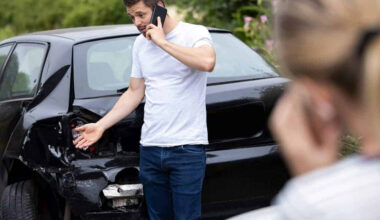
A blast of a horn, a flicker of motion in a blind spot, and doubt arrives faster than any turn signal. In traffic, moments like these feel slippery. If an incident happened right now, would you have the proof to show what actually took place? That is the promise of a modern wireless dash cam system with LTE connectivity. It gives you eyes on the road, the rear, and even the cabin, and lets you see it all from your phone in real time.
What Wireless Really Means
Wireless does not mean cordless. A wireless dash cam still needs continuous power to run the features you rely on, including loop recording, night vision, parking surveillance, motion detection, and G-sensor impact logging. The wireless part is about access, not electricity. Instead of plugging into a display or relying on local Wi-Fi near the vehicle, an LTE-enabled system transmits footage access to your mobile app anywhere you have a data connection.
How LTE Changes Your Access to Footage
LTE wireless dash cams allow live watch and recorded clips from anywhere. You can check in at work, get warned when your parked car is jostled, and assess an incident underway. You’re not connected to a cable, screen, or car’s local network. Your phone is the window, your car the camera equipment, and LTE the link.
Building a Full 360 Degree Coverage Bubble
One camera only sees so much. A multi-channel wireless dash cam setup stitches together a complete protection circle around your vehicle. Front, rear, and interior lenses work in tandem so you do not rely on luck or memory. Each channel records its perspective, and together they create a timeline that shows cause and effect.
Front Camera: Your Real-Time Road Shield
The front camera is the sentinel on the bow. It captures lane changes, hard braking, sudden cut-ins, collisions, and crosswalk moments where inches matter. With LTE support, you can open your app and watch the front view live, whether your car is parked in a lot or barreling through rush hour. High resolution helps read plates and signs, while wide dynamic range keeps detail visible in harsh sunlight or tunnels.
Rear Camera: Protection From Behind
Rear-end impacts are as common as they are frustrating. A dedicated rear camera watches the story behind your bumper. It records tailgating, hit-and-run attempts, parking lot bumps, and reversing errors. Even in a wireless system, the rear camera draws power from the vehicle so recording never pauses. At night, enhanced sensitivity and infrared lighting on some models preserve detail when headlights glare or streetlights vanish.
Interior Camera: Eyes Inside the Cabin
For families, rideshare drivers, and anyone who wants a complete record, an interior camera adds a crucial layer. It deters theft, documents conversations and events in the cabin, and offers an extra angle when claims get complicated. With LTE access, you can check the interior view in real time, which is especially useful when you leave valuables in the car or when your teen is borrowing the keys.
Power, Parking Mode, and Always-On Security
A wireless dash cam is only as reliable as its power source. Hardwiring or a constant-power adapter lets the system run parking mode features that guard the vehicle when the engine is off. The G-sensor listens for impacts. Motion detection watches for movement. Loop recording overwrites the oldest files so storage does not fill up. The result is a quiet sentinel that wakes up when something happens and keeps a clean archive of what matters.
Remote Monitoring and Instant Alerts
Remote access turns a dash cam into a guardian that taps you on the shoulder when needed. You can receive notifications for impacts, motion, or suspicious activity around the vehicle. You can open live view immediately to see what triggered the alert. Clips can be saved and shared from the app without removing the memory card. This workflow trims minutes from moments when every second counts.
Image Quality and Night Vision That See More
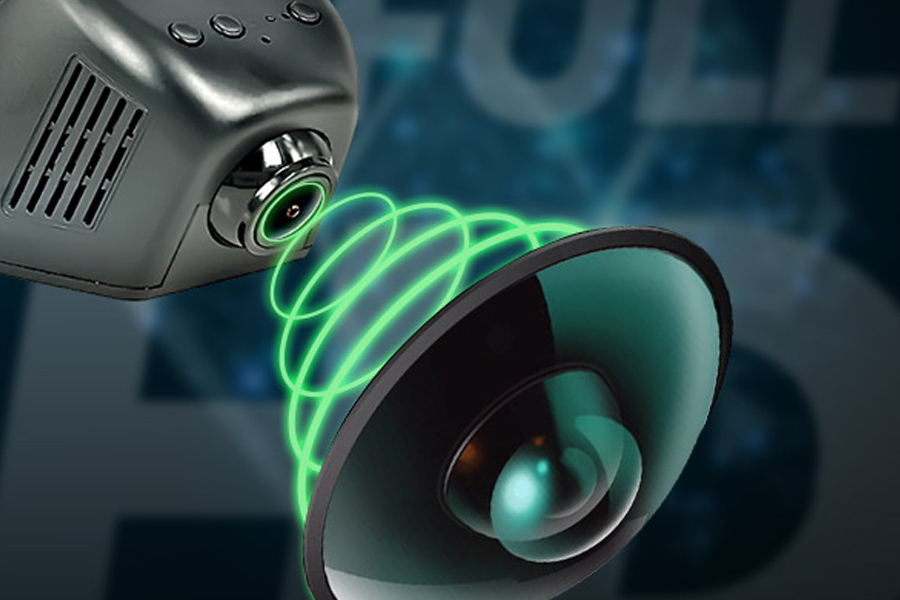
Clarity is currency in an investigation. Systems that offer high-resolution recording and strong night vision give you usable evidence instead of guesswork. Features like large sensors, good lenses, and smart noise reduction help lock onto important details after dark. Interiors benefit from infrared illumination that records without bathing the cabin in visible light. A crisp image can turn a vague shape into a license plate or a face.
Why Wireless Stands Apart From Traditional Setups
Legacy dash cams usually tether you to a screen or to local Wi-Fi that only works near the vehicle. If you want to check footage from across town, you cannot. If an incident happens while you are away, you learn about it later. LTE-enabled wireless systems remove those walls. You can view the timeline, save clips, and see live video wherever you are, as long as the system has power and a data connection.
Stealth, Discretion, and Tamper Resistance
Compact cameras are less likely to draw attention. A low-profile mount tucked behind the rearview mirror blends into the windshield. Small rear and interior units look like factory equipment. Discretion lowers tampering risk and helps the system capture what really happens, not what people want to perform for a visible camera.
Features That Matter When Seeking Complete Coverage
Strong wireless dash cam setups combine numerous key features. Multiple channels for front, back, and interior views are needed. An easy-to-use software should provide dependable LTE remote access. It should have motion and impact smart alerts. It should produce high-quality day and night images. Finally, it should be easy to power so parking protection, loop recording, and event locking work daily.
FAQ
Is a wireless dash cam actually cordless?
No. Wireless refers to how you access footage. The camera still requires a continuous power connection to support recording, night vision, and parking surveillance.
Do I need a data plan for LTE features to work?
Yes. LTE remote viewing, alerts, and cloud functions require cellular data. The camera uses a compatible data plan so your phone can connect to it from anywhere.
What happens if the vehicle is parked somewhere with poor signal?
Recording continues locally, since the camera uses its own power and storage. Live view and alerts may be delayed until a usable signal returns, at which point the system can sync and notify you.
Can I view and share clips without removing the memory card?
Yes. The companion app lets you review, save, and share recordings directly from your phone. You can also download clips to your device or to cloud storage if supported.
Will parking mode drain my car battery?
Parking mode is designed to sip power. Many setups include voltage safeguards that pause recording if battery levels drop too low. Proper power configuration keeps your vehicle safe to start.
Does a 360 degree setup literally see every angle at once?
It covers the critical fronts: forward, rearward, and inside the cabin. Together these channels capture virtually all angles around most vehicles. Physical obstructions and extreme angles can still create blind spots, but coverage is comprehensive for everyday scenarios.
How do front, rear, and interior cameras help during claims?
Front footage shows road events. Rear footage documents tailgating and impacts from behind. Interior footage records cabin activity. Combined, they create a synchronized narrative that helps clarify responsibility.
What if someone tampers with the camera while parked?
Discreet placement reduces attention. Motion and impact alerts can notify you in near real time. Even if connectivity is interrupted, local recording preserves evidence of the attempt.
Do I still need a built-in screen or to be near the car to review video?
No. LTE access lets you review and manage footage from your phone wherever you have service. You are not limited to a screen in the vehicle or to local Wi-Fi.
Is night vision good enough to read license plates?
It depends on conditions, resolution, and distance. High-quality sensors, strong optics, and smart exposure control improve the odds. Many systems can capture readable plates in typical urban night scenes, though extreme glare or speed can reduce clarity.