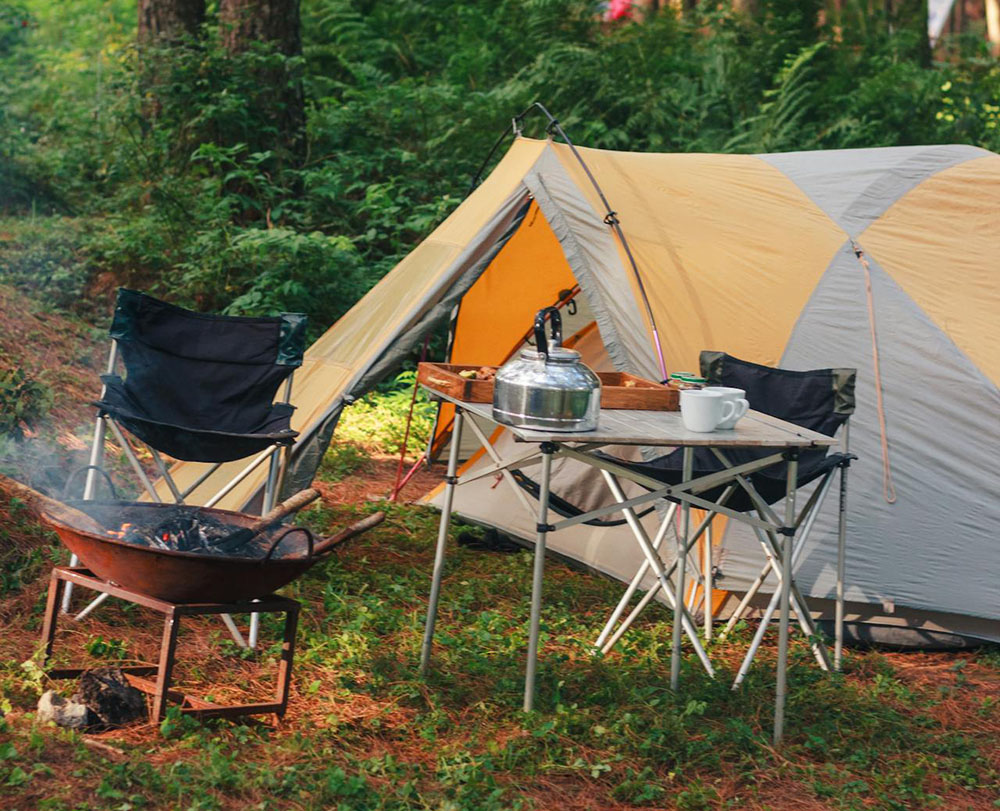
Camping is one of the best ways to disconnect from daily routines and reconnect with nature, but preparation plays a major role in how enjoyable the experience will be. Forgetting essential items can quickly turn an exciting trip into a stressful situation. Planning ahead helps ensure comfort, safety, and convenience while outdoors. Every camping trip is different depending on location, weather, and duration, but certain essentials remain consistent. Being properly equipped allows you to focus on the experience rather than solving preventable problems.
Reliable Shelter and Sleeping Gear
Shelter is one of the most critical components of any camping trip. A high‑quality tent provides protection from weather, insects, and temperature changes. Choosing a tent that matches the number of campers and expected conditions ensures comfort. Sleeping bags should be rated for the appropriate temperature range and paired with sleeping pads for insulation. Proper sleeping gear improves rest and overall energy levels.
Sleeping comfortably impacts every part of the trip. Poor sleep can reduce enjoyment and increase fatigue. Pillows, liners, or blankets may add comfort depending on conditions. Dry storage for sleeping gear is essential to avoid moisture issues. Reliable shelter creates a secure base camp.
Cooking Supplies and Food Storage
Food preparation is a central part of the camping experience. Portable stoves, grills, or fire‑safe cooking tools allow meals to be prepared efficiently. Cooking equipment should be durable and easy to clean. Planning meals ahead of time helps reduce excess packing.
Food storage is equally important, especially in wildlife‑heavy areas. Coolers, dry storage bins, and sealed containers help preserve food and prevent unwanted visitors. Bringing reusable utensils and cookware reduces waste. Organized cooking supplies make mealtime smoother and more enjoyable.
Clothing and Weather Protection
Appropriate clothing is essential for comfort and safety while camping. Weather conditions can change quickly, especially in outdoor environments. Layered clothing allows campers to adapt to temperature shifts. Waterproof outerwear protects against rain and wind.
Extra socks and sturdy footwear support long hikes and uneven terrain. Sun protection such as hats and sunscreen prevents exposure. Clothing choices should prioritize function over fashion. Being prepared for weather ensures comfort throughout the trip.
Lighting and Power Sources
Adequate lighting prevents accidents and improves nighttime convenience. Headlamps allow hands‑free tasks. Lanterns provide ambient light for campsites. Reliable lighting supports both safety and comfort.
Safety, Navigation, and First Aid
Safety items should never be overlooked when camping. A first aid kit helps address minor injuries quickly. Navigation tools such as maps, compasses, or GPS devices help prevent getting lost. Emergency supplies provide peace of mind. Whistles, multi‑tools, and fire starters add preparedness. Knowing emergency procedures increases confidence. Safety planning supports responsible camping. Being prepared reduces risk.
Water and Hydration Equipment
Access to clean water is essential for health and comfort. Campers should bring sufficient water or purification systems. Water filters or purification tablets allow safe use of natural sources. Hydration supports energy and focus. Containers should be durable and easy to transport. Insulated bottles help regulate temperature. Planning water usage prevents shortages. Proper hydration is critical outdoors.
Transportation and Gear Storage Solutions
How gear is transported can significantly impact efficiency. Vehicles used for camping must accommodate equipment safely and securely. Storage solutions help organize gear and prevent damage during travel. Efficient packing reduces setup time at the campsite.
Many campers use vehicle‑mounted solutions like a Tundra bed rack to carry tents, coolers, or outdoor equipment. These systems help free interior space and improve accessibility. Organized transport improves workflow and reduces stress. Proper storage supports smoother trips.
Camp Furniture and Comfort Items
Comfort items enhance the camping experience without excessive bulk. Camp chairs provide rest after active days. Tables offer stable surfaces for food preparation. Compact furniture improves functionality.
Comfort contributes to relaxation and enjoyment. Lightweight designs simplify transport. Thoughtful additions elevate the experience. Balance comfort with portability.
Tools and Utility Items
Utility items support campsite setup and maintenance. Knives, duct tape, and rope have multiple uses. Small tools solve unexpected problems. Preparedness reduces frustration. Utility gear should be compact and reliable. Quality matters more than quantity. Multi‑use tools save space. Practical items support flexibility.
Conclusion
Packing the right items is essential for a successful camping trip. Shelter, food, safety, and organization all play vital roles. Thoughtful preparation reduces stress and enhances enjoyment. Essential items support comfort, safety, and efficiency. With proper planning, camping becomes a rewarding and memorable experience.



Lighting is crucial once the sun sets. Lanterns, headlamps, and a good quality rechargeable flashlight provide visibility for cooking, navigation, and safety. Battery life should be considered when choosing lighting options. Backup batteries or rechargeable power banks add reliability.