Key Takeaways
- Basic DIY car maintenance helps extend vehicle lifespan and reduce repair costs.
- Regular oil checks and changes are essential for engine health.
- Proper tire pressure and tread depth improve safety and fuel efficiency.
- Routine inspection of fluids ensures smooth and safe vehicle operation.
- Replacing air filters and wiper blades maintains performance and visibility.
- Battery checks and cleaning terminals prevent starting issues.
- Cleaning your car protects its value and prevents long-term damage.
- Professional help is necessary for complex repairs and persistent issues.
Whether you are hoping to save money, extend your vehicle’s lifespan, or simply gain a better understanding of your car, undertaking basic DIY car maintenance at home is both empowering and practical. By familiarizing yourself with a few simple procedures and having access to the right Tampa auto parts, you can keep your vehicle in top condition while minimizing trips to the mechanic. Getting comfortable with these maintenance routines increases your confidence as a car owner and can help you avoid unnecessary breakdowns or costly repairs.
Modern vehicles are designed with reliability in mind, but regular upkeep is essential to maintain that longevity. Routine maintenance is not just about keeping your car running; it is about improving safety, optimizing performance, and protecting your investment. Taking the time to check your fluid levels, monitor your tires, and replace worn parts can add years to your car’s life.
For newcomers, DIY car maintenance might initially feel overwhelming. However, most tasks are approachable with a bit of guidance, patience, and the right tools. By following the steps below, you will gradually build your skillset and feel more comfortable addressing common issues that arise.
Regularly Check and Change Engine Oil
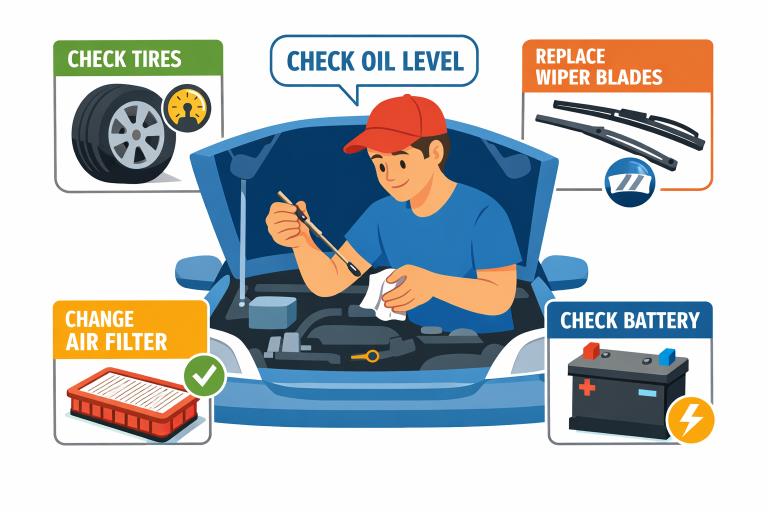
Engine oil is the lifeblood of your car’s engine, lubricating moving parts, reducing friction, and protecting components from excessive wear. To inspect your oil, park the car on a level surface and switch off the engine. Wait a few minutes for the oil to settle. Remove the dipstick, wipe it clean, reinsert it, then pull it out to check the oil level and color. If the oil looks dirty or is below the recommended level, it is time for an oil change. For guidance or service support, you can also consult trusted auto dealers Tampa, FL. Refer to your vehicle’s manual for specific instructions and intervals, but most cars require an oil change every 3,000 to 5,000 miles.
Monitor Tire Pressure and Tread Depth
Proper tire care improves safety, fuel economy, and performance. Use a tire pressure gauge to check each tire and match the readings to the recommended specifications found in your owner’s manual or on the door jamb. Adjust the pressure as needed. Assess tread depth with a penny: insert it upside down into the tread groove. If you see the top of Lincoln’s head, the tread is too shallow, and the tire needs replacement. Checking for uneven wear or sidewall damage is also important, as it can indicate alignment issues or suspension problems.
Replace Windshield Wiper Blades
Worn-out wiper blades reduce visibility, especially during rain, putting your safety at risk. Most blades need to be changed every 6 months or at the first sign of streaking or skipping. To swap them out, lift the wiper arm, press the release tab, and slide the old blade off. Snap the new blade into place and ensure it is secure.
Inspect and Top Off Fluids
Fluids are crucial for your car’s operation and safety. Essential fluids include coolant (prevents overheating), brake fluid (ensures safe stopping), transmission fluid (enables smooth gear shifts), and windshield washer fluid (keeps the windshield clear). Check their levels regularly and fill with the recommended fluids as needed. Never mix different types of fluids and always use a funnel to prevent spills. If you notice recurring issues such as low coolant or brake fluid, investigate potential leaks immediately or consult a technician.
Replace Air Filters
There are two main filters to keep an eye on: the engine air filter and the cabin air filter. The engine air filter keeps dirt and debris out of your engine, while the cabin air filter keeps the air inside the vehicle clean. Check your owner’s manual to locate each filter. Typically, you just need to unlatch the housing, remove the old filter, insert the new one, and secure the housing. Replacing these filters on schedule helps your engine run more efficiently and provides cleaner air for passengers.
Test Battery and Clean Terminals
A dependable battery is crucial, especially for trouble-free starts. Inspect the battery terminals for corrosion—a white, ashy substance on the connectors. If you see buildup, disconnect the battery (starting with the negative terminal), clean the terminals with a baking soda and water mixture and a wire brush, then reconnect. Ensure the battery is securely mounted and check its charge regularly, especially before long trips or during seasonal changes.
Keep Your Car Clean
Regularly washing your car removes road grime, salt, and other contaminants that can damage your finish and cause rust. Waxing a few times a year provides an extra layer of protection. Clean the interior by vacuuming carpets, wiping surfaces, and conditioning leather or vinyl seats. A clean car not only looks better but also retains more value and is a more enjoyable place to spend time.
Know When to Seek Professional Help
DIY maintenance is extremely rewarding, but not every problem is suitable for home repair. Complex systems like transmissions, advanced diagnostics, or suspensions often require special tools or knowledge. Pay attention to warning lights, unusual noises, or persistent problems, and when these arise, do not hesitate to seek help from a certified professional or dealership service center. Keeping a good relationship with a local mechanic can save you hassle down the road.
Final Thoughts
With these simple DIY practices, you take important steps toward being a more proactive and knowledgeable car owner. Routine maintenance of your vehicle can help prevent unexpected repairs, improve your safety, and give you greater confidence, whether you are at home or on the road.