Key Takeaways
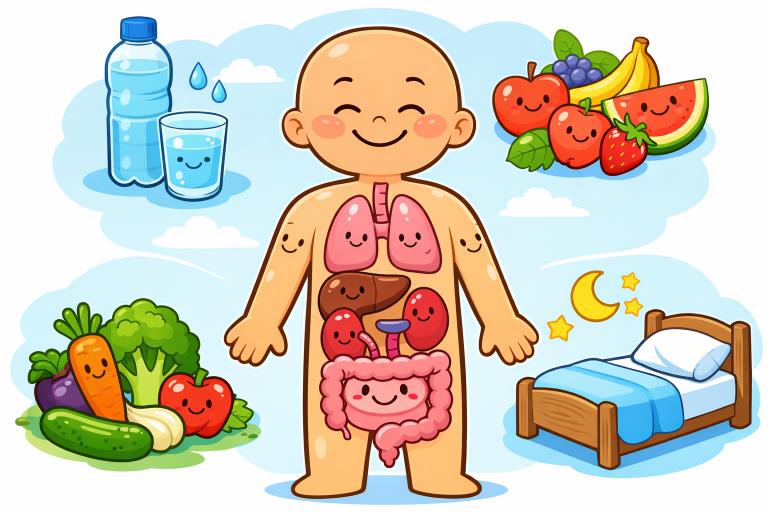
- The body’s detoxification system relies on organs such as the liver, kidneys, lungs, gut, and skin.
- Simple lifestyle changes help these organs function efficiently.
- Staying hydrated, eating well, and sleeping enough play critical roles in detoxification.
Embarking on a journey toward better health often prompts individuals to consider detoxification. Although the body is naturally equipped to remove toxins, certain lifestyle changes can strengthen this process. If you are looking to enhance your wellness, understanding the body’s detox system and learning how to support it is essential. For those facing significant health challenges or substance use issues, Medical Detox in New Jersey can provide professional guidance to begin recovery safely and effectively.
While the market is filled with products claiming to aid in detox, most experts agree that the best results come from healthy habits that assist the body’s natural processes. This guide explores key strategies to help you optimize your detoxification system, supporting organs like the liver, kidneys, and skin so you can maintain a balanced and healthy life.
Understanding the Body’s Natural Detoxification System
Your body comes with a built-in detox system that involves the liver, kidneys, lungs, gut, and skin. The liver processes toxins and converts them into waste products, while the kidneys filter your blood to remove these wastes through urine. Lungs help expel volatile compounds, and both your digestive tract and skin work to eliminate other unwanted substances. When these organs are given proper support, they work efficiently to protect your health and minimize toxin buildup.
Hydration: The Foundation of Detoxification
Staying well-hydrated is one of the most effective ways to assist your body’s detox efforts. Water is essential for the kidneys to filter out waste and helps flush toxins from the system through urine. Consuming between 2.5 to 3.5 liters of water each day ensures the natural detoxification pathways function optimally. According to the Centers for Disease Control and Prevention, hydration also supports other bodily systems and makes it easier for your body to transport and eliminate waste.
Nutrition: Fueling the Detox Process
Eating a diet rich in colorful fruits and vegetables, whole grains, and lean proteins provides your body with the nutrients required for detoxification. High-fiber foods, particularly plant-based options, are important for regular bowel movements, which help drive toxins out of the body. Reducing consumption of processed foods and added sugars minimizes the load placed on your detox organs, freeing them up to process natural metabolic waste efficiently.
In addition, incorporating antioxidant-rich foods, such as berries, nuts, and leafy greens, can help combat oxidative stress, which is a byproduct of toxin exposure. Antioxidants neutralize free radicals, potentially reducing inflammation and cellular damage. Supporting your gut health through fermented foods like yogurt, kefir, sauerkraut, or kimchi can also improve elimination pathways by balancing your microbiome. A healthy gut supports immune function, further enhancing your body’s resilience to everyday toxins.
Sleep: The Unsung Hero of Detoxification
Quality sleep is another pillar of detoxification. During rest, the brain’s glymphatic system activates, flushing out waste products accumulated during the day. Experts recommend 7 to 9 hours of restful sleep each night to support overall detox and brain health. The Sleep Foundation emphasizes that consistent sleep patterns also improve immune function, contributing to more effective natural detoxification.
Lack of sleep has been linked to increased toxin buildup and a higher risk of chronic conditions, underlining the importance of good sleep hygiene in the detox process. Establishing a relaxing routine, minimizing screen time before bed, and keeping your sleep environment cool and dark are all simple strategies that can significantly improve your sleep quality and amplify your body’s cleansing efforts.
Physical Activity: Enhancing Circulation and Elimination
Exercise aids detox by boosting blood flow, which facilitates the movement of nutrients and the removal of waste products from tissues. Activities such as brisk walking, yoga, or cycling activate the lymphatic system and help the body sweat, further supporting toxin elimination. Incorporating at least 150 minutes of moderate activity into your weekly routine can make a measurable difference in your body’s ability to detox naturally.
Beyond traditional aerobic activities, muscle strengthening and stretching exercises support connective tissue health and improve circulation. Simple practices such as deep breathing or foam rolling can further support lymphatic movement, encourage relaxation, and reduce the buildup of stress-related toxins. Remember, it is consistency over time that yields sustainable benefits for detoxification and overall vitality.
Limiting Alcohol and Processed Foods
Limiting your intake of alcohol and processed foods is important for keeping the body’s detox systems running smoothly. Alcohol significantly taxes the liver and can inhibit its ability to process toxins effectively. Processed foods often contain artificial additives and preservatives that may accumulate in the body over time. Mindful choices and moderation can alleviate the burden on your liver and digestive tract, reducing the risk of toxin buildup.
It’s also beneficial to experiment with homemade or minimally processed snacks and meals, emphasizing whole, unrefined ingredients. Try to plan meals in advance and opt for fresh options when eating out. Gradually reducing your intake of sugary drinks, salty packaged foods, and fried snacks can make a substantial impact on your long-term health. As you develop healthier habits, your body’s natural capacity to manage toxins improves; no extreme dietary restrictions or expensive detox kits required.
Debunking Detox Myths
Many commercial detox products promise quick and dramatic results, but most lack scientific backing. The human body is well designed to detoxify itself naturally, provided it receives the right support. Rather than turning to restrictive detox diets, focus on sustainable, healthy habits that empower your body’s original detoxification mechanisms.
Misinformation about detoxification is common. It’s crucial to consult healthcare professionals before starting any new diet or detox routine, especially if you have underlying health conditions or take medications. Educating yourself with evidence-based resources not only helps you adopt safer, more effective habits but also helps you achieve better, lasting results. Your well-being thrives on a foundation of consistency, moderation, and self-care rather than quick fixes or fads.
Conclusion
Supporting your body’s natural detoxification system does not require extreme interventions. Simple steps like drinking enough water, choosing nutritious foods, getting quality sleep, staying active, and avoiding excessive alcohol can go a long way in aiding your body’s ability to flush out toxins. These lifestyle choices help ensure your organs work together to keep you healthy, resilient, and energetic for years to come.
By prioritizing holistic self-care and focusing on gradual improvements, you not only promote detoxification but also build a foundation for vibrant, lifelong health. Remember, there is no single solution—true wellness comes from a combination of mindful choices, ongoing education, and a balanced lifestyle. Each positive habit reinforces your body’s own wisdom, making healthy living both simple and sustainable.






For some people, reducing alcohol intake is not just a lifestyle adjustment but a necessary step toward overcoming dependency. When substance use becomes a larger health concern, professional support is often needed to make a safe transition. Depending on the severity of the situation, there are different programs to consider for recovery. These options range from intensive residential care to flexible outpatient schedules that fit into daily life. Finding the right fit helps individuals address their physical and emotional needs in a structured environment.