Most people think of crooked teeth as a cosmetic issue. You see a slight overlap in the mirror, shrug it off, and move on with your day. But your bite touches nearly every corner of your physical and mental health, from how well you digest food to how clearly you speak to how soundly you sleep at night. The body is more connected than it looks, and your teeth sit right at the center of several critical functions.
If you or someone in your family has been putting off an orthodontic evaluation, the seven points below give you a solid reason to reconsider. Each one covers a real, documented way that misalignment quietly chips away at your wellbeing, along with what addressing it actually looks like in practice.
1. Poor Chewing Breaks Down Digestion From the Start
Digestion begins in your mouth, not your stomach. When teeth align properly, chewing becomes more effective, helping break food into smaller pieces so the stomach can process it with less effort and the body can absorb nutrients more efficiently. When your bite is off, that first step gets compromised.
The role of teeth in digestion is often overlooked. Overlapping or misaligned teeth may hinder proper chewing, leading to inadequate breakdown of food before it reaches the stomach, which can strain the digestive system and potentially cause issues such as indigestion and bloating.
So if you deal with recurring bloating or digestive discomfort that no amount of dietary tweaking seems to fix, your bite is worth a second look. Chewing is the first step in the digestive process, and properly aligned teeth play a crucial role. Orthodontic treatment ensures that your teeth are in the correct position, allowing for efficient chewing and better digestion.
2. Jaw Pain and Headaches You Might Be Blaming on Stress
Chronic headaches and jaw soreness are frustrating partly because they feel so disconnected from any obvious cause. You drink enough water, you sleep okay, but the tension keeps coming back. Misaligned bites place uneven pressure on the jaw joints, and over time, this can lead to discomfort, stiffness, or recurring headaches.
Crooked teeth affect how the jaw moves, which can trigger temporomandibular joint (TMJ) disorders. These disorders can cause jaw pain, headaches, and clicking or popping sounds when opening or closing the mouth. Many people spend years managing these symptoms without ever connecting them to their bite.
Orthodontic treatment helps balance bite pressure, which reduces stress on jaw muscles and joints. That relief is not just a nice bonus. For a lot of patients, it marks the end of years of unexplained daily discomfort.
3. Sleep Quality Takes a Hit When Your Airway Is Restricted
Your jaw position does more during sleep than you probably realize. Certain bite and alignment problems have been associated with obstructive sleep apnea, a condition caused by physical blockages of the airway during sleep. This blockage can reduce or halt airflow, leading to poor sleep quality. Properly aligned jaws and teeth improve airflow, which enhances a person’s ability to sleep soundly.
Jaw alignment also influences airway space. Narrow or misaligned jaws may contribute to snoring or even obstructive sleep apnea, especially in adults.
In some cases, orthodontic solutions like braces, aligners, or expanders can help open up the airway, promoting better breathing and restful sleep. Given how much poor sleep compounds into other health problems, this particular connection between bite and breathing is one of the most underappreciated reasons to seek an evaluation.
You can read more about the relationship between airway function and oral alignment through resources like the National Institutes of Health’s overview of misaligned teeth and jaws, which outlines how severe misalignments can affect breathing in addition to eating and speaking.
4. Speech Clarity Suffers in Ways That Dent Your Confidence
Your teeth are active participants in forming the sounds you make. The lips, tongue, jaw, and teeth collaborate to produce sounds. Problems with any of these components can affect speech. Speech clarity can be compromised when the jaw is misshapen or misaligned, or when teeth are crooked, twisted, or overlapping due to overcrowding.
Another concern related to crooked teeth is their effect on speech. Misaligned teeth can interfere with how the tongue and lips form sounds, leading to speech impediments such as lisps or slurred words. This affects kids and adults alike, though in different ways.
By addressing misalignment issues, orthodontic treatment helps improve speech clarity, allowing you to express yourself more effectively. That clarity carries into professional presentations, social conversations, and the everyday moments where you want to be heard without friction.
5. Gum Disease Risk Climbs When Teeth Are Hard to Clean
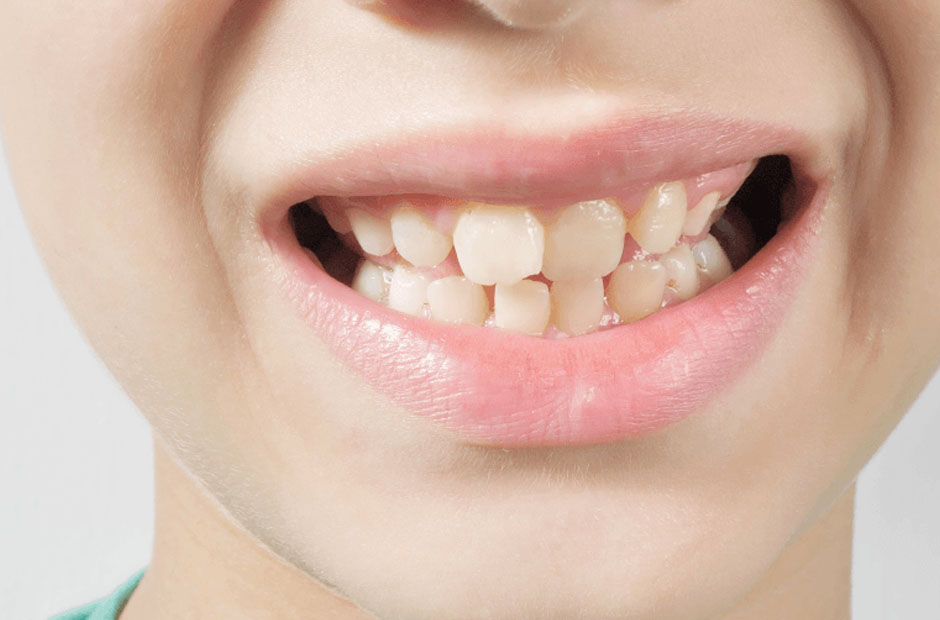
You can be a diligent brusher and flosser and still lose the battle against bacteria if your teeth are crowded. Even the most conscientious person will struggle to prevent bacteria from damaging teeth and causing cavities if their teeth are overcrowded, because the bacteria that cause tooth decay can hide in crevices that cannot be reached by brushing and flossing.
One of the most common concerns with crooked teeth is the difficulty in cleaning them effectively. When teeth are misaligned, they often overlap or crowd each other, making it hard to reach certain areas with a toothbrush or floss. As a result, plaque and food particles can accumulate in those tight spaces. Over time, this buildup creates the perfect environment for bacteria to thrive, leading to tooth decay and gum disease.
The stakes here go beyond your mouth. Patients with overcrowding also have a higher risk of gum disease, which has been linked to serious medical conditions, including heart disease, respiratory disease, stroke, diabetes, and dementia. Straightening your teeth makes your daily hygiene routine more effective, and that pays dividends far outside your mouth.
For a deeper look at the established connection between oral health and systemic disease, the clinical summary from R&B Orthodontics covers the research clearly.
6. Enamel Wears Down Unevenly, Setting Up Long-Term Damage
When your bite is misaligned, certain teeth absorb more pressure than they should on every chew, every clench, and every grind. Abnormal bite pressure leads to enamel erosion or chipping, a process known as attrition. Enamel does not grow back. Once it’s gone, your teeth are more vulnerable to sensitivity, decay, and fractures.
When your bite is off balance, teeth can rub or grind against each other unnaturally, which can lead to chips, cracks, and premature enamel wear. You might not notice the wear in the early stages, but the cumulative damage adds up over years into costly restorative work.
Correcting alignment early stops that uneven pressure cycle before it causes irreversible structural damage to your teeth. This is one reason orthodontic evaluations for children are recommended well before all the adult teeth come in. The American Association of Orthodontists recommends a first evaluation by age 7, precisely to catch alignment patterns before they deepen into problems.
7. Your Mental Health and Confidence Pay a Real Price
Confidence is harder to measure than jaw pain or gum disease, but the research is clear on this one. Adolescents who completed orthodontic treatment showed significant improvements, with notable reductions in psychosocial impact scores from baseline, including in dental self-confidence and social impact measures.
Orthodontic treatment has been linked to enhanced self-perception, reduced anxiety in social interactions, and overall improvements in oral health-related quality of life. This is not superficial. When you feel self-conscious about your smile, you hold back in conversations, avoid photos, and second-guess yourself in professional settings.
A beautiful smile can have a profound impact on your self-esteem and overall mental well-being. Feeling confident about your appearance can positively influence your social interactions, relationships, and career prospects.
The good news is that adults are getting treatment at higher rates than ever before, and modern options like clear aligners make the process far less disruptive to daily life than it used to be. If you’re in the greater Atlanta area, consulting a qualified orthodontist johns creek residents trust is a straightforward first step toward understanding what treatment could look like for you or your family.
What Alignment Treatment Actually Involves
The word “braces” still carries old-school mental images for a lot of people, but the field has changed. Modern orthodontics offers several approaches to correcting jaw misalignment, depending on age, severity, and lifestyle preferences. Dental braces remain one of the most effective methods for addressing complex bite issues, and by gradually repositioning teeth, braces bring the jaw into proper alignment and improve both function and aesthetics.
Clear aligners are another popular choice. These are clear, plastic trays that fit over the teeth and are almost invisible. They’re removable, which makes eating and cleaning teeth easier. Many adults who ruled out treatment years ago are now completing it in 12 to 24 months with aligners they can take out for meals and brushing.
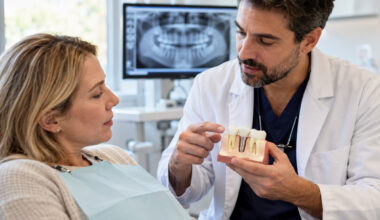
An initial consultation with a licensed orthodontist usually involves a full bite assessment, digital scans or X-rays, and a conversation about which approach fits your schedule and goals. Most practices offer the first visit at no charge, so there’s very little friction in finding out where you stand.
Putting It All Together
Your teeth do a lot more than give you something to smile about. They shape how you chew, breathe, sleep, speak, and feel about yourself. When they’re out of alignment, the effects ripple outward into systems of the body that seem completely unrelated to your mouth.
None of the seven issues covered here require you to be in severe pain or have noticeably crooked teeth to apply to you. Mild misalignment causes mild versions of all these problems, and mild problems become serious ones over time without intervention.
If any of these sections connected with something you’ve been experiencing, that’s worth paying attention to. A single orthodontic evaluation takes under an hour and gives you a clear picture of what’s happening and what your options are. Starting that conversation is the simplest move you can make for a health outcome that touches far more of your life than your smile.