Key Takeaways:
- Rapid home sales are reshaping buyer and seller strategies in the real estate market.
- Technological advancements and economic factors contribute to the acceleration of property transactions.
- Understanding the implications of quick sales is essential for navigating the evolving housing market.
The real estate market is experiencing a rapid evolution as homes across the country are selling faster than ever. From digital platforms that reduce the time needed for property viewings to stiff buyer competition that demands lightning-fast decisions, this trend is evident across urban and suburban markets alike. More homeowners recognize the value of capitalizing on the speed of the current market, with many opting for streamlined selling options, such as Sell My House in Amarillo, TX, to ensure quick and efficient transactions.
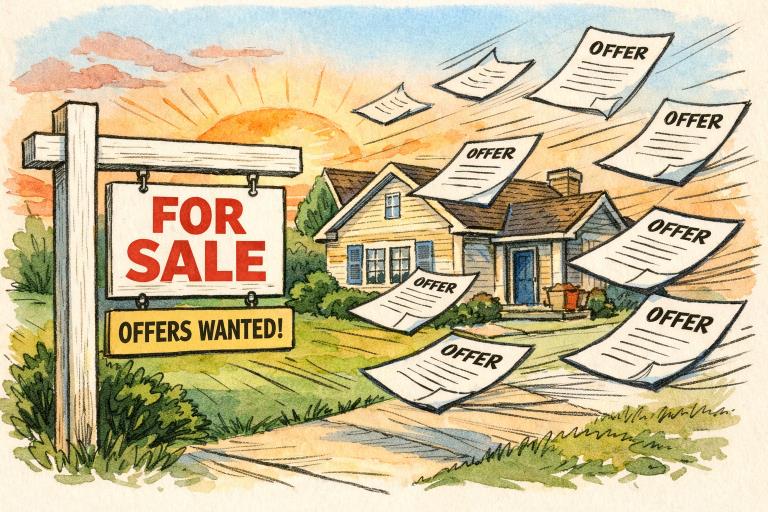
This urgency has intensified, with properties often receiving multiple offers within days of listing and even bidding wars erupting in sought-after neighborhoods. Both buyers and sellers are rethinking their approaches to keep pace, leveraging new technology and market knowledge to their advantage.
Not only are the buyers forced to move swiftly, but sellers, too, must prepare their homes meticulously and be ready to handle expedited closings. The stakes are high for both sides, making information and flexibility more critical than ever for a successful real estate deal.
As this pattern of rapid sales continues, many turn to resources offering speed and certainty, including Cash Buyers in Amarillo, TX, especially when time or convenience is a priority.
Factors Driving Rapid Home Sales
Several factors contribute to the acceleration of home sales in today’s market:
- Technological Advancements:Digital listing platforms, virtual tours, and electronic signing tools streamline transactions from listing through closing, making it possible to buy or sell a property with unprecedented speed. Buyers can now filter properties, take virtual walkthroughs, and submit offers online, turning what once took weeks into a matter of days.
- Economic Conditions:Persistently low mortgage rates have fueled buyer demand, while tight inventory levels have made available homes a scarce commodity. This scarcity motivates buyers to act quickly, often leading to competitive bidding scenarios. These trends are contributing to faster-moving markets in many areas.
- Changing Buyer Preferences:The COVID-19 pandemic nudged a shift in what buyers are looking for, with many seeking more space, dedicated home offices, and proximity to outdoor amenities. As remote work options expanded, people are moving more quickly on properties that fit their changing needs.
Impact on Buyers and Sellers
Impact on Buyers
Buyers are finding themselves under intense pressure to act fast, often making offers above the listing price and waiving standard contingencies like inspections or appraisal requirements in hopes of outbidding the competition. The compressed timelines sometimes lead to buyer’s remorse or missed opportunities to thoroughly inspect homes before purchase.
Impact on Sellers
Sellers currently enjoy the upper hand in many markets, frequently receiving multiple offers soon after listing. However, this speed comes with challenges, such as accurately pricing the property to capture interest without leaving money on the table and managing rapid closing processes. Sellers must also decide quickly among competing offers, each with unique contingencies and timelines, making guidance from experienced agents invaluable.
Regional Variations in Quick Sales
While fast home sales have become common nationwide, the trend’s intensity varies based on location. In hot coastal markets like the San Francisco Bay Area or Austin, Texas, homes sometimes sell within hours. Conversely, in cities like Columbus, Ohio, a recent shift shows that homes in urban cores are spending nearly 19% more time on the market compared to surrounding suburbs, reflecting evolving buyer preferences and demographic trends (Axios).
Rural areas and smaller cities may not experience the same pace due to a less robust influx of new buyers or slower economic growth, but even in these regions, the days-on-market figures have generally decreased compared to pre-pandemic norms. Adapting to local trends by working with agents who understand market-specific factors is crucial for both buyers and sellers.
Strategies for Navigating a Fast-Paced Market
For Buyers
- Mortgage Pre-approval:Get pre-approved for a mortgage before starting your home search so you can make competitive offers quickly when the right property appears.
- Stay Alert:Sign up for listing alerts and be prepared for showings or virtual tours on short notice.
- Decisiveness:Be ready to move forward with an offer quickly and lean on your agent for advice on making strong, compelling bids that stand out.
For Sellers
- Competitive Pricing:Work with your real estate agent to set an accurate, market-driven price that will attract immediate interest and multiple offers.
- Market-Ready Presentation:Take care of repairs, decluttering, and professional staging to maximize appeal during the brief window homes are on the market.
- Flexible Closings:Be prepared to accommodate buyers’ requests for quicker or delayed closings depending on their needs and financial readiness.
Consulting trusted resources like NerdWallet can also help buyers and sellers stay updated with the latest strategies and market tips.
Future Outlook of the Real Estate Market
The current trend of fast home sales is projected to continue in the near term as demand remains robust and inventory is tight. However, changes in interest rates, shifts in economic policy, and the normalization of hybrid work models could alter the market’s trajectory. Buyers and sellers alike need to pay attention to these macroeconomic factors, as they may influence affordability, supply, and overall transaction timelines in the future.
Ultimately, technology, consumer preferences, and economic changes will continue to shape how properties are bought and sold. Being informed and adaptable is crucial for navigating ongoing changes and maximizing opportunities in a rapidly evolving real estate landscape.