Heat, salt air, and sudden storms can punish roofs and expose weak materials very quickly. Smart material choices protect interiors, reduce leak risk, and support better long-term performance. A commercial-minded contractor will match products to your slope, budget, and local exposure.
Material choice affects labor, underlayment, flashings, and the warranty terms tied to your roof system. The roof replacement cost in Florida depends on wind ratings, code upgrades, and moisture barriers that protect the deck. A clear quote should explain these items, so you can compare bids with real confidence.
Metal Roofing for Wind and Coastal Durability
Metal panels suit conditions in Florida because they resist uplift and shed water fast during storms. Aluminum and galvalume coatings help limit corrosion near beaches and salty breezes. A standing-seam profile also hides fasteners, which reduces leak points during heavy rain.
Skilled roofing contractors confirm deck condition, set proper clip spacing, and seal transitions at walls and valleys. They choose compatible metals for flashings and fasteners to reduce galvanic corrosion near coastal air. Their workmanship protects warranties, supports wind ratings, and helps the roof perform through severe weather.
Asphalt Shingles for Budget-Friendly Protection
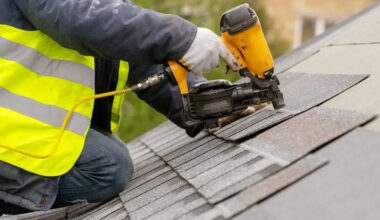
For many properties, asphalt shingles remain the entry point for a durable, code-compliant roof. The roof replacement cost in Florida can rise when you choose higher wind ratings and stronger underlayment packages. Those upgrades reduce blow-offs and water intrusion, which helps avoid repeat repairs after severe storms.
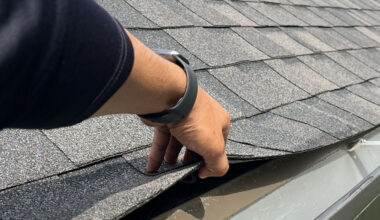
Underlayment quality matters, since wind-driven rain can reach the deck under lifted shingle edges. Ask for an ice-and-water membrane at valleys, eaves, and penetrations for better leak defense. Proper ventilation also reduces heat stress and helps shingles keep their shape longer.
Tile Roofing for Heat Resistance and Long Service
Clay and concrete tile work well in Florida because they handle heat and sun exposure well. Their weight helps resist strong gusts, yet the structure must support the added load safely. Color options suit many styles, and tile can keep its finish without frequent coatings.
Tile roofs rely on underlayment and flashings, since water moves beneath the tile surface. Ask for stainless or corrosion-resistant fasteners to reduce rust in humid air. A qualified crew also sets proper battens and closures to keep pests out.
Low-Slope Membranes for Flat and Modern Rooflines
Many homes in Florida with low-slope sections need membranes designed for ponding water risks. TPO and PVC reflect heat well, while modified bitumen offers tough puncture resistance. Your contractor should match the membrane to drainage design, foot traffic, and rooftop equipment needs.
Seams and terminations decide performance, so insist on clean welds and secure edge metal details. Drain maintenance prevents backups, which protects decking and interior ceilings during long rain cycles. Ask for a documented inspection plan to protect warranty coverage over time.
Composite Shingles for Modern Performance
Composite shingles fit homes in Florida that need strong impact resistance with a lighter load than tile. Many products use polymer blends that resist cracking, UV wear, and algae marks in humid air. Their profiles mimic slate or shake, which supports upscale curb appeal on many styles.
Installation quality still matters, since starter strips, ridge caps, and seal lines control wind resistance. Ask for reinforced underlayment and corrosion-resistant flashings to support long service in coastal zones. A clear scope sheet should list brand, class rating, and fastener type for consistent results.
Choosing the best roof material comes down to exposure, slope, and long-term plans for the property. A local expert will help you compare options. With the right materials and installation, your new roof can stay secure through harsh weather.