Mold can become a serious problem in any home, often spreading before it is even noticed. Early detection and prevention are key to keeping your living space safe. Mold not only damages your house but can also affect your health. Learning about the warning signs and protecting your home is important for every homeowner. For help locating and stopping mold problems, you can learn more about mold remediation and testing in Tampa Bay, which offers professional solutions for persistent mold issues.
Knowing how mold grows, the health problems it can cause, and the best ways to stop it will help you take action before bigger issues arise. Whether you live in an older home or a new one, moisture and humidity can create a perfect environment for mold. Taking steps to control moisture and recognizing early warning signs will keep your home and family secure. Along with understanding basic mold prevention, it is helpful to know which areas of your home are most likely to harbor mold. This way, you can keep an eye on these spots and react quickly if you notice something wrong. If you live near Bradenton and need assistance, expert mold remediation and testing in Bradenton teams can handle a range of mold issues.
Signs of Mold Growth
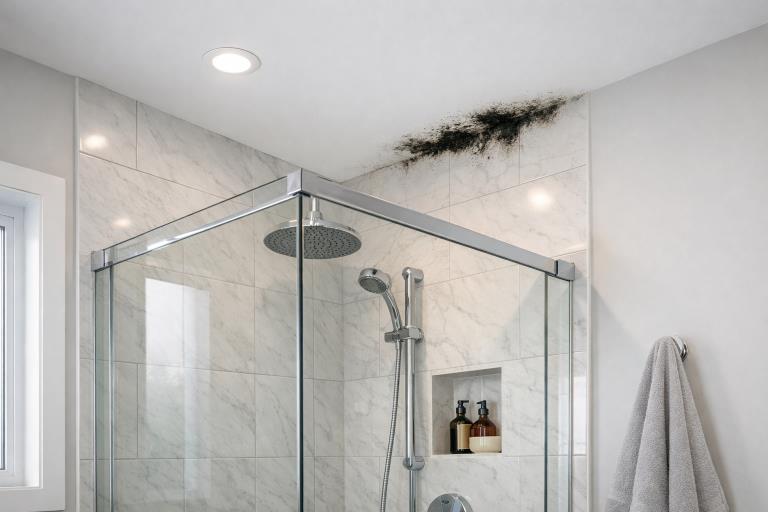
Detecting mold in its early stages is important for preventing further spread and damage. Mold often appears as patches or dots in various colors, including black, green, and white. Common warning signs include:
- Visible Spots:Look for fuzzy or slimy patches on walls, ceilings, or floors.
- Musty Smells:Notice consistent earthy or damp odors, especially in rooms that are closed off or humid.
- Water Damage:Watch for stains, discoloration, or peeling paint, which may signal leaking pipes or trapped moisture.
Common Areas Prone to Mold
Mold grows best in places where moisture collects. Certain spots in homes are more likely to have mold problems. Keep a regular check on these areas:
- Bathrooms:Steam from showers and baths can cause mold on tiles, ceilings, and around vents.
- Kitchens:Leaks or spills under sinks and near appliances create ideal conditions for mold.
- Basements:Lack of ventilation and occasional flooding often lead to persistent dampness.
- Attics:Water from roof leaks or poorly insulated areas can create hidden mold problems over time.
Health Risks Associated with Mold
Mold does not just damage buildings. It can also create real health concerns, especially for people who already suffer from allergies or respiratory conditions. According to the Environmental Protection Agency (EPA), symptoms of mold exposure include:
- Coughing, wheezing, and difficulty breathing
- Stuffy or runny nose
- Skin rashes or irritation
- Red or itchy eyes
Children, the elderly, and people with asthma or weakened immune systems are often most at risk. Prolonged mold exposure without treatment may even lead to chronic respiratory problems and further aggravate existing conditions.
Preventive Measures
The best way to avoid mold is to keep your home dry and clean. Several strategies can help prevent mold from becoming a bigger issue:
- Control Humidity:Use air conditioning or dehumidifiers to maintain indoor humidity below 50 percent. You can check levels with a simple humidity gauge.
- Ventilate Properly:Install or use exhaust fans in bathrooms and kitchens to quickly remove moisture from the air.
- Fix Leaks Right Away:Repair leaks in your roof, around windows, and in pipes as soon as they appear.
- Clean and Dry After Flooding:Dry out any area that gets wet within 24 to 48 hours, since mold can start growing quickly in damp conditions.
Steps to Remove Mold
If you spot mold, it is important to address the issue carefully. Follow these steps for safe mold removal:
- Wear Protective Gear:Put on gloves, goggles, and a mask (preferably an N95 respirator) to stay safe during cleanup.
- Seal the Area:Isolate the moldy part of your home to prevent spores from drifting to clean areas.
- Remove Damaged Materials:If mold has affected drywall, carpet, or ceiling tiles, these materials often need to be replaced.
- Clean Hard Surfaces:Scrub hard surfaces with soap and water. Avoid bleach for most situations, as it does not prevent future mold growth.
- Dry the Area Completely:Make sure everything dries out fully to stop new mold from forming.
When to Seek Professional Help
Some mold problems can be too large or complicated to handle alone. Call a professional mold remediation team if:
- The mold covers more than ten square feet or returns after cleaning.
- You find mold inside heating, ventilation, or air conditioning systems.
- Mold sources are hard to find, or extensive water damage is present.
Professionals use specialized equipment and safety procedures to remove mold and prevent it from returning.
By staying attentive to the signs and keeping your home dry, you can prevent most mold problems before they start. Taking fast action when you notice trouble will protect both your property and your health.
Conclusion
Mold is a common but preventable household issue that can quickly grow into a serious problem if left unchecked. By recognizing the early signs of mold growth, understanding the areas most at risk, and being aware of the health impacts, homeowners can take proactive steps to protect both their property and well-being. Simple preventive measures such as controlling humidity, improving ventilation, and promptly repairing leaks can significantly reduce the likelihood of mold growth. When mold appears, careful, timely removal is essential to prevent it from spreading further. However, larger or recurring infestations should always be handled by professionals to ensure safe and complete remediation. Ultimately, staying vigilant and maintaining a clean, dry home environment is the most effective way to keep mold under control and protect your family’s long-term health.