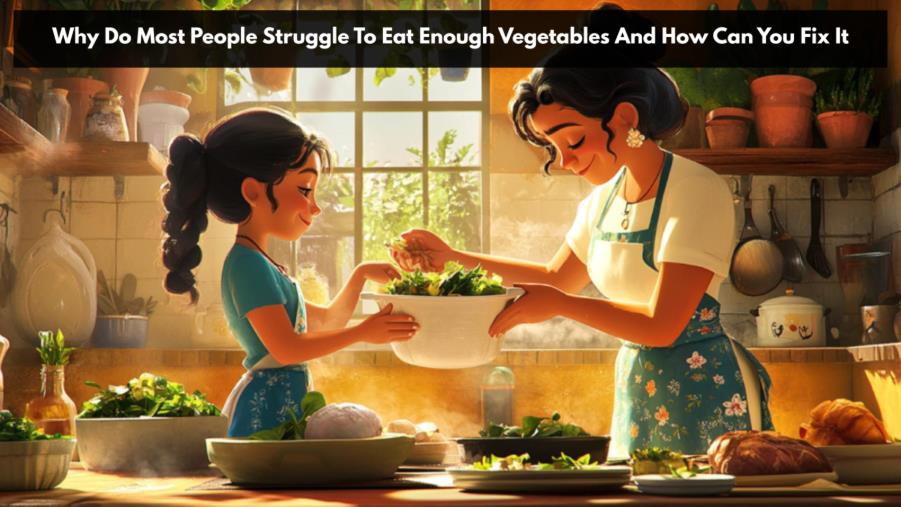
Vegetables play a crucial role in maintaining overall health, but still, they are one of the most neglected components of the modern diet. Although most individuals know their nutritional value, they find it difficult to apply the concept to practice on a daily basis. Rapid lifestyles, shifting food tastes, and the use of convenience food have diminished the popularity of vegetables on daily dinner tables gradually.
In most instances, vegetables are considered as a supplement to meals as opposed to being a central element and thus result in irregular consumption over time. Such a pattern may influence the level of energy, digestion, and well-being in the long term.
Most people would like to eat better, but this is not always possible due to busy schedules. By identifying these typical barriers, it is simpler to embrace simple solutions that actually work.
The subsequent sections break down these challenges and offer practical solutions in an easy manner that can be easily implemented in daily life.
Why Most People Struggle to Eat Enough Vegetables
1. Dislike of Taste and Repetitive Preparation
Many people do not consume vegetables because they think they are not tasty. In most instances, this is due to consuming poorly seasoned or unvaried vegetables. When vegetables feel bland or boring, people stop eating them on a regular basis.
Moreover, the same vegetables cooked in the same manner every day can easily get boring. Salads and boiled vegetables served repeatedly make the food unenjoyable and feel repetitive.
However, this can be changed by finding easy ways to eat more vegetables. When prepared with creativity and flavor, vegetables become pleasant, making it easier to include them regularly.
2. Busy Lifestyles and Convenience-Driven Choices
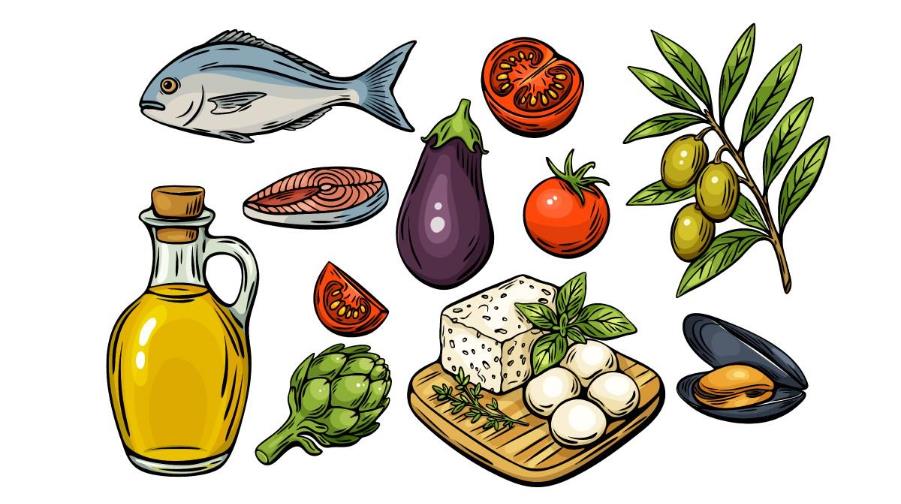
A hectic lifestyle also contributes hugely to food decisions. With limited time, individuals are likely to buy fast and effortless food, which frequently replaces vegetables.
Moreover, tasks such as washing, chopping, and cooking vegetables may seem tiring after a long workday. This leads to the substitution of balanced meals with processed and ready-to-eat foods.
With time, this tendency becomes a habit. Vegetables are gradually removed from the daily meals without prior planning, resulting in low intake of vegetables.
3. Limited Cooking Knowledge and Confidence
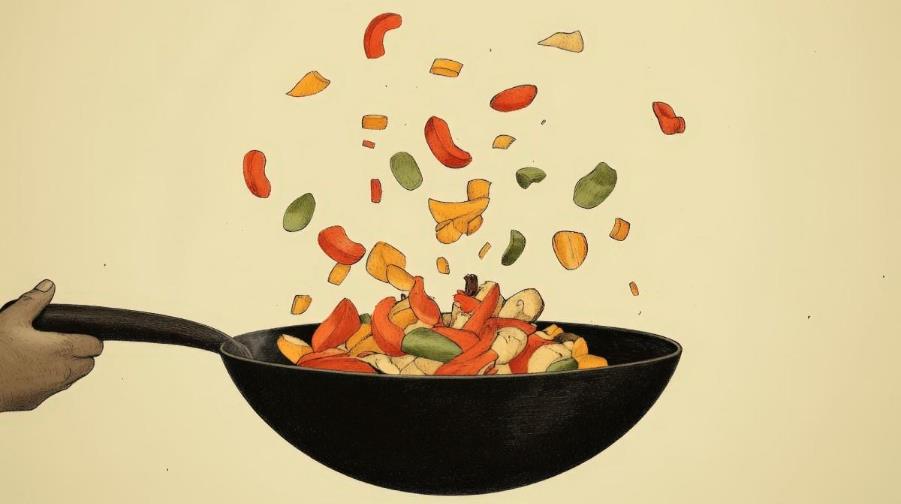
Some people find it hard to eat vegetables as they are not sure how to cook them properly. Lack of information about what seasonings to use or how long to cook them can normally give an unsatisfactory outcome.
When vegetables fail to taste good, people feel demotivated and avoid making or eating them. This results in choosing foods that are safer than trying vegetables.
This can be fixed by even knowing some simple cooking techniques, such as roasting or sauteing. Over time, when they gain some confidence, vegetables become easier to make and more enjoyable to consume.
How to Eat More Vegetables Consistently
1. Add Vegetables Seamlessly into Familiar Foods
An effective solution to this is to add vegetables to the meals that people already enjoy. Instead of having vegetables as separate side dishes, you can mix them in the form of soups, sauces, smoothies, and casseroles. This minimizes resistance and leads to a natural increase in intake.
For example, you can add spinach to smoothies, grated vegetables to pasta sauces, or add extra vegetables to omelets, which does not alter flavors much but makes them more nutritious. These little contributions add up over the day and have a significant impact.
In the long run, this helps normalize vegetables as a normal food in daily meals. Rather than feeling forced, vegetables become easier and thus enhance adherence to healthier eating patterns and increased compliance.
2. Use Cooking Methods That Enhance Flavor
Vegetable cooking methods significantly determine the taste and texture. Roasting, grilling, and sauteing enhance natural sweetness and general appeal. Using olive oil, herbs, and spices adds flavor without being unhealthy.
When you replace boiling with roasting, it can change your experience with vegetables. With crisp edges, richer flavors, and gratifying textures, vegetables become more like comfort foods than obligations.
Moreover, through experimentation with various techniques, one can avoid boredom. The change of cooking styles makes the meals exciting, and you want to consume new vegetables. With an increase in enjoyment, the probability of eating vegetables consistently increases.
3. Build Simple Habits Through Meal Planning
Meal planning plays an important role in helping you eat more vegetables. When you plan meals ahead of time, vegetables are less likely to be forgotten or replaced by quick, less nutritious options. Even basic planning can create noticeable improvements.
Additionally, preparing vegetables in advance makes busy days easier. Washing, chopping, or portioning them ahead of time reduces effort and increases the chances of using them in meals or snacks.
Most importantly, consistency develops through repetition. By planning vegetable-based meals several times a week, vegetables gradually become a regular part of your daily routine rather than an afterthought.
4. Adapt Vegetable Choices to Personal Preferences
Eating more vegetables does not mean forcing yourself to eat foods you dislike. Instead, you can choose vegetables that suit your taste preferences, which makes the process easier and far more enjoyable. There is no single vegetable that everyone needs to eat to stay healthy.
Moreover, vegetables are available in many convenient forms. You can choose fresh, frozen, or pre-cut options, all of which provide important nutrients. Frozen vegetables save time and last longer without losing quality.
Ultimately, flexibility makes healthy eating sustainable. When your vegetable choices match your lifestyle, budget, and tastes, you are more likely to stay consistent without feeling restricted.
Conclusion
Eating enough vegetables is less about willpower and more about approach. When vegetables are treated as a natural part of meals rather than a separate obligation, consistency improves. Small adjustments, made gradually, create lasting change without pressure.
By focusing on enjoyment, flexibility, and practicality, vegetables can fit seamlessly into everyday eating patterns, supporting better health and balance over the long term without feeling restrictive or overwhelming.