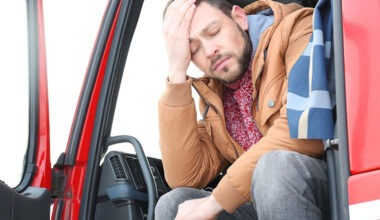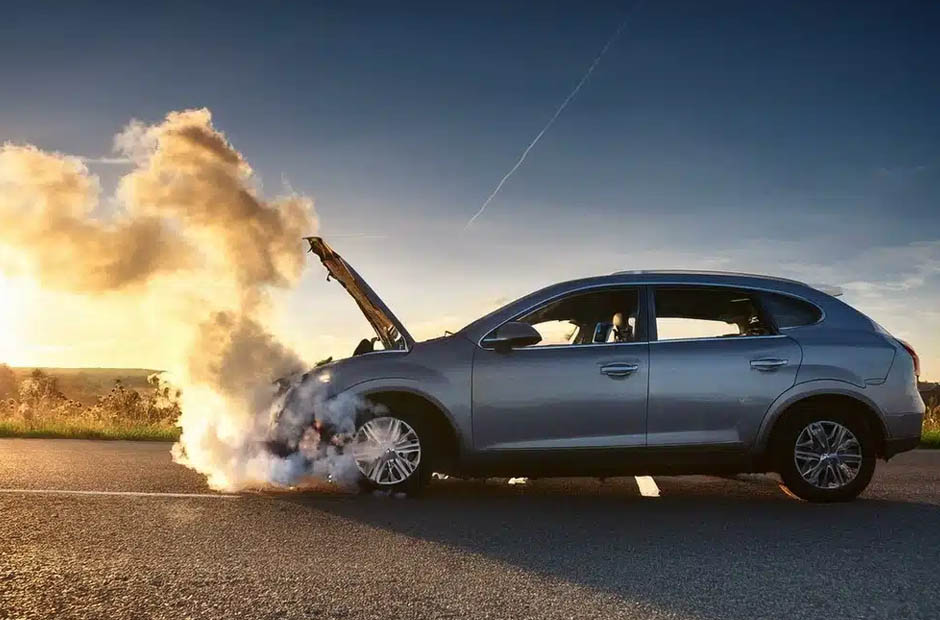
Waking up to find your primary mode of transportation is out of commission creates an immediate sense of panic. Most people do not realize how much they rely on their vehicle until the keys are useless in their hand. It is jarring.
The logistics of a typical day fall apart without the ability to move freely from one place to another. Simple tasks like getting to the office or picking up groceries suddenly require a massive amount of planning and external help.
Dealing with the aftermath of a crash involves more than just fixing bent metal or shattered glass. You have to account for the total disruption of your schedule. Securing compensation for a loss of use after accident is a critical step.
The reality is usually more nuanced than the general public believes. Getting the right help starts with looking past the rumors and digging into the specific details of a firm’s billing practices. Many potential clients find themselves held back by legal fee misconceptions that simply do not reflect how modern legal fees actually function in the real world.
The same is true when it comes to understanding the details of a loss of use claim, which is often misunderstood or overlooked entirely. Knowing how this type of claim works can make a meaningful difference when an accident disrupts daily life beyond the visible damage.
Daily Routine Disruptions
The morning commute is usually the first casualty when a car is stuck in the shop or totaled. Relying on coworkers or trying to navigate a bus schedule adds hours to an already long day. The predictability of your morning vanishes.
Families with children face an even deeper level of chaos when a car goes missing from the driveway. Getting kids to school or soccer practice becomes a complex puzzle that involves calling in favors from friends and neighbors. It feels burdensome.
Even basic errands like a trip to the pharmacy or the post office turn into major excursions that require careful coordination. The loss of independence is a heavy weight that most people struggle to manage while they are also healing.
Unexpected Replacement Costs
Renting a car seems like the obvious solution, but the daily rates and insurance fees add up with terrifying speed. Many families find that their savings are drained just trying to stay mobile while waiting for an insurance check to arrive.
Rideshare services offer convenience, yet they are notoriously expensive during peak hours when you actually need them most. Paying surge pricing just to get home from work is a financial sting that many victims simply cannot afford for very long.
Public transportation might be a cheaper alternative, but it often fails to provide the door to door service needed for a busy life. The hidden costs of these alternatives create a mountain of debt that complicates the entire recovery process.
Time and Stress Impact
There is an invisible mental load that comes with constantly asking for rides or checking a bus app. The feeling of being a burden on others can lead to significant social anxiety and a sense of isolation during a recovery.
The time spent waiting for a ride or standing at a station is time taken away from family or rest. This exhaustion makes it harder to focus on physical therapy or returning to work in a productive and meaningful way.
Frustration grows as the days turn into weeks without a clear end in sight for the repairs. Managing the logistics of a life without a vehicle is a full time job that pays nothing but stress and tired eyes.
Why Gaps Add Up Quickly
Insurance companies often take their time to appraise a vehicle or approve a rental extension for a claimant. These small delays might seem insignificant to a large corporation, but they are devastating to a person who is living without transport.
As the claims process drags on, the cumulative costs of alternative transportation can eventually exceed the value of the original repair. This creates a financial gap that is difficult to bridge without professional help or a very clear plan.
The stress of being without a car often forces people to accept low settlement offers just to get back on the road. These quick fixes rarely cover the true cost of the disruption and leave victims with long term financial scars.
Conclusion
A vehicle is much more than a collection of parts used to move from point A to point B. It represents the freedom to manage your own life on your own terms without needing permission or help from a stranger.
The impact of losing that freedom is immediate and reaches into every corner of a person’s daily existence and peace. It disrupts routines, drains bank accounts, and adds a layer of difficulty to an already challenging situation for everyone.
Recognizing the full value of this loss is essential for any person seeking to rebuild after an unexpected accident. Do not let the insurance company ignore the very real struggle of keeping your life moving without your wheels.