Nevada’s Fault System in Plain Terms
Nevada handles car accidents by fault. The negligent driver is financially liable for the damage. Nevada requires proof of carelessness, unlike no-fault systems where drivers go to their insurance for damages. Everything from medical bill coverage to property damage compensation depends on that proof. After a Las Vegas crash, fault guides claims, negotiations, and litigation.
Why Fault Matters for Your Finances
Fault is not just a label. It decides who pays for hospital visits, rehabilitation, vehicle repairs, rental cars, and missed paychecks. If you are found partly responsible, your compensation can shrink. If you are mostly responsible, you may recover nothing at all. Understanding how fault is determined helps you protect your budget and your recovery, because every percentage point of blame can feel like a swing of the pendulum on your wallet.
What Officers Do at the Scene
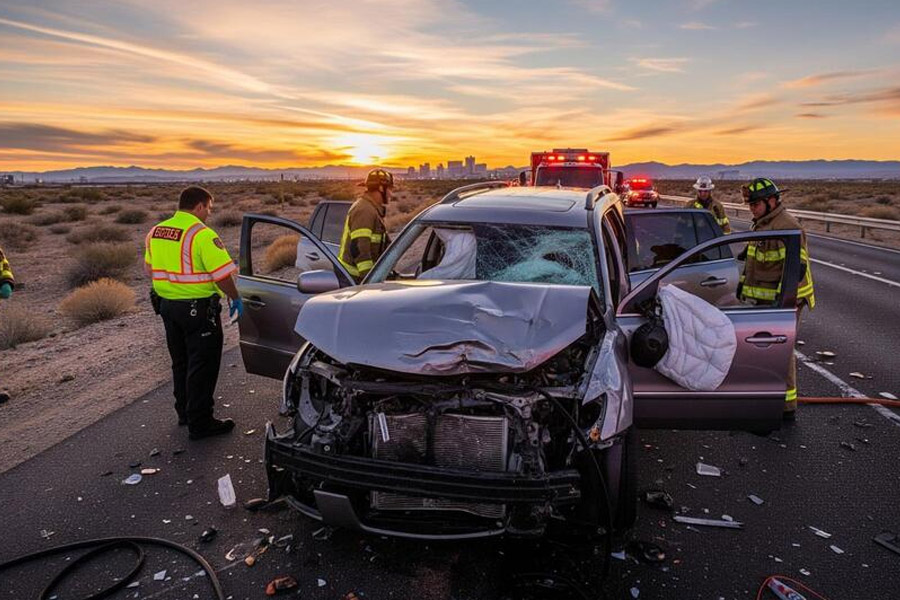
Law enforcement usually arrives quickly to secure the area, arrange medical attention, and document what happened. Officers compile an accident report that captures driver and witness statements, traffic violations, vehicle damage, and conditions like weather, lighting, and road layout. The report is not a final verdict on fault, but it becomes a critical reference point for insurers and courts. Review it carefully. If something is inaccurate, ask for a correction so the written record reflects the truth as closely as possible.
How Insurers Evaluate Liability
After a claim is opened, adjusters conduct their own investigation. They analyze the police report, interview drivers and witnesses, review photos and video, and assess the scene through the lens of negligence. They look for behaviors that often point to carelessness, such as distracted driving, speeding, tailgating, or failing to yield. Insurers also evaluate how injuries align with the physics of the crash. Their goal is to assign liability percentages to each involved party. Because adjusters aim to limit payouts, thorough documentation becomes your best ally. Keep records organized and consistent, and be prepared to challenge conclusions that do not match the facts.
Nevada’s Modified Comparative Negligence
Nevada employs modified comparative negligence. You can collect damages if you share guilt, but not more than 50%. Your pay decreases with responsibility. For instance, if you’re 20% at fault, your prize lowers 20%. Recovery is impossible at 51% or higher. Think of fault as a percentage pie. How much and if you can collect depends on where your slice falls.
Factors That Shape Fault
Fault often turns on a handful of recurring themes. Driver behavior sits at the center. Texting, adjusting in-car tech, eating behind the wheel, aggressive lane changes, or impaired driving can tip the scales. Traffic violations offer strong signals too. Running a red light, rolling through a stop sign, speeding in a school zone, or turning illegally can lead to a clear assignment of liability. Conditions beyond the drivers may also play a role. Poor road maintenance, faded lane markings, malfunctioning signals, or debris in a construction zone can shift some responsibility to other parties. Vehicle condition matters as well. Worn brakes, bald tires, or ignored recalls can point to owner negligence, and a manufacturing defect could redirect blame to a company. Fault is rarely a single thread. It is a woven fabric of choices, conditions, and mechanical realities.
What Evidence Makes a Difference
Evidence tells the story. Photos of vehicle positions, crush damage, skid marks, and traffic signs capture what words sometimes miss. Video from nearby businesses, dash cams, and residential doorbell cameras can be invaluable. Witness statements help corroborate timelines and behaviors. Medical documentation connects injuries to forces in the crash. Repair invoices, towing receipts, and workplace records of missed time build out the financial impact. Keep a journal of symptoms and appointments. The more tangible pieces you gather, the clearer the picture of liability becomes. Evidence is the lighthouse in the fog.
Steps to Take After a Collision
Safety first. Find a safe place and check for injuries. For formal records, call police. Take pictures of the incident, vehicles, roads, and injuries. Share names, contact info, license plates, and insurance with all drivers. Find medical help even if you feel fine. First-hour injuries can be quiet. Inform your insurance immediately and provide the police report and documentation. These processes protect your rights and base the story in facts.
When Legal Help Is Wise
Disputes over fault can stall claims and reduce fair compensation. If liability is contested, if an insurer downplays injuries or damages, or if multiple vehicles and complex circumstances are involved, consider speaking with a legal professional. An attorney can investigate independently, secure additional evidence, engage experts, and negotiate with insurers. If settlement talks fail, your lawyer can present your case in court. In nuanced situations where percentages of fault drive outcomes, focused legal strategy often makes the difference.
FAQ
What does fault-based mean in Nevada car accident cases?
It means the driver who caused the crash is responsible for the resulting losses. Compensation hinges on proving negligence and assigning fault among the involved parties.
Can I recover money if I am partly at fault?
Yes, as long as your share of fault is 50 percent or less. Your compensation will be reduced by your percentage of responsibility.
Is the police report the final word on fault?
No. The report is influential but not controlling. Insurers and courts use it alongside other evidence. If you spot errors, request corrections to keep the record accurate.
How do insurance adjusters decide liability percentages?
Adjusters weigh the police report, photos, witness statements, physical damage patterns, and any video evidence. They look for negligent conduct and match it against the mechanics of the collision.
What if poor road conditions contributed to the crash?
Hazardous roads, faded markings, or malfunctioning signals can shift some fault to entities responsible for maintenance or construction. Evidence of these conditions is essential to support that claim.
Do mechanical issues like brake failure change fault analysis?
They can. Neglected maintenance may increase the owner’s share of fault, while a proven defect might implicate a manufacturer. Repair history and expert inspection help anchor these arguments.
Should I see a doctor even if I feel okay after the accident?
Yes. Some injuries emerge slowly. A prompt evaluation creates a medical record that connects your symptoms to the crash and supports your claim.
How soon should I notify my insurer?
Report the incident as quickly as possible. Provide the police report, photos, witness details, and any medical documentation to streamline the investigation.
What evidence helps most in disputed cases?
Clear photos, credible witness statements, video clips, medical records, and consistent documentation of expenses and missed work often carry significant weight.
When is it smart to contact an attorney?
Consider legal help when fault is hotly disputed, when injuries or damages are significant, when multiple parties are involved, or when the insurer’s position seems unfair or inconsistent with the evidence.