Imagine the thrill of turning the key in the ignition, the engine roaring to life, and the open road stretching out before you. It’s a ritual experienced by millions each day, yet few of us pause to consider the unseen power source that makes it all possible—the car battery. This crucial component is often overlooked, but its role is vital and fascinating. Let’s journey into the heart of the car battery, exploring its inner workings and why it deserves more than just a passing thought.
The Heartbeat of Your Vehicle
Your car battery is more than just a rectangular box sitting under the hood. It’s the heartbeat of your vehicle, providing the electrical energy needed to start the engine and power the electrical components when the engine isn’t running. Without it, your car would be nothing more than a stationary metal shell. But how does it work? It’s a symphony of chemistry and engineering, converting chemical energy into electrical energy through a series of reactions.
Every time you turn the ignition, a chemical reaction occurs within the battery. Lead dioxide plates and a sulfuric acid electrolyte interact to produce electricity. This electricity is what drives the starter motor, igniting the engine and bringing your car to life. It’s a process so seamless that we often take it for granted. Yet, imagine a world without it. Just like how a forensic scientist might analyze every detail of a crime scene, understanding the intricacies of a car battery can provide insights into its reliability and performance.
Signs Your Car Battery Needs Attention
Just as a highlight in a book draws your eye to important information, certain signs can indicate when your car battery may need attention. Have you noticed your headlights dimming when the engine is off or the engine cranking slowly? These could be telltale signs that your battery is struggling. Additionally, if the battery is more than three years old, it might be time to start considering a replacement.
A car battery replacement isn’t just about swapping out an old battery for a new one. It’s about ensuring the continued reliability of your vehicle. Buying a new battery that fits your car’s specifications and properly disposing of the old one is crucial. You wouldn’t want to be stranded on a dark, lonely road, would you?
Expanding Your Knowledge: Types of Car Batteries
In the world of car batteries, there are several types to consider, each with its own set of advantages and drawbacks. Traditional lead-acid batteries are the most common, known for their affordability and reliability. However, they require regular maintenance to ensure optimal performance. Then there are the Absorbent Glass Mat (AGM) batteries, known for their durability and ability to provide higher power outputs, making them ideal for modern vehicles with numerous electronic components.
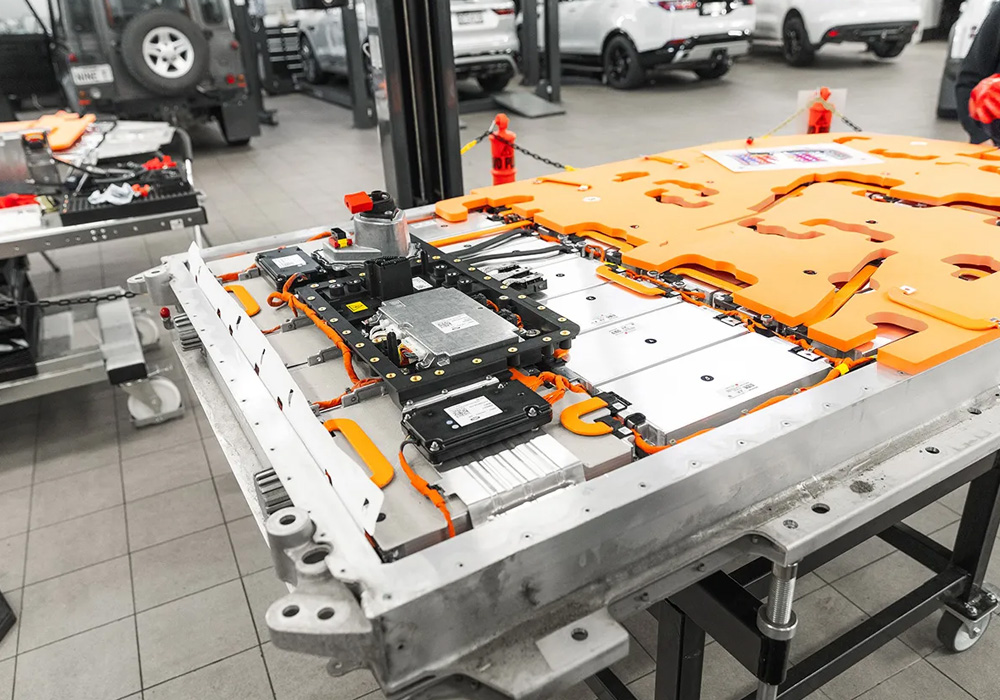
Lithium-ion batteries, though less common in conventional cars, are making waves in the electric vehicle industry. They are lightweight and have a longer lifespan but come at a higher cost. Understanding these differences can help you make an informed decision when it’s time for a car battery replacement. Expanding your knowledge on this subject is akin to opening a treasure chest of possibilities, each option offering its own unique benefits.
The Importance of Regular Maintenance
Regular maintenance is key to extending the life of your car battery. Simple actions such as cleaning the terminals, ensuring a secure fit, and checking the charge level can prevent unexpected failures. It’s much like tending to a garden; neglect it, and you risk losing the beauty and functionality it provides. Regular checks can save you from the inconvenience of a dead battery at the most inopportune moments.
Moreover, ensuring that your vehicle’s electrical system is in good working order can prevent excessive strain on the battery. Faulty alternators or other electrical issues can drain the battery prematurely, leaving you in need of a car battery replacement sooner than expected. Just as a forensic expert meticulously examines evidence to find the root cause of a problem, you should regularly inspect your battery and electrical system for any signs of trouble.
The Environmental Angle: Responsible Disposal
When it’s finally time to replace your car battery, responsible disposal is crucial. Car batteries contain harmful chemicals that can pose environmental hazards if not disposed of properly. Most auto shops and recycling centers offer programs to ensure that old batteries are recycled in an environmentally friendly manner.
Taking the time to dispose of your old battery responsibly is not just about following regulations; it’s about contributing to a sustainable future. Just as we would expand our efforts to preserve the natural world, we should be conscientious about the impact our actions have on the environment.
A Final Thought
The car battery, often hidden from view, plays an essential role in our daily lives. Understanding its function and importance can transform how we perceive our vehicles. It is more than just a power source; it is the unseen force that brings our cars to life, allowing us the freedom to explore the world around us. So, the next time you turn the key, take a moment to appreciate the marvel of engineering under the hood. After all, it’s these hidden highlights that make the journey possible.