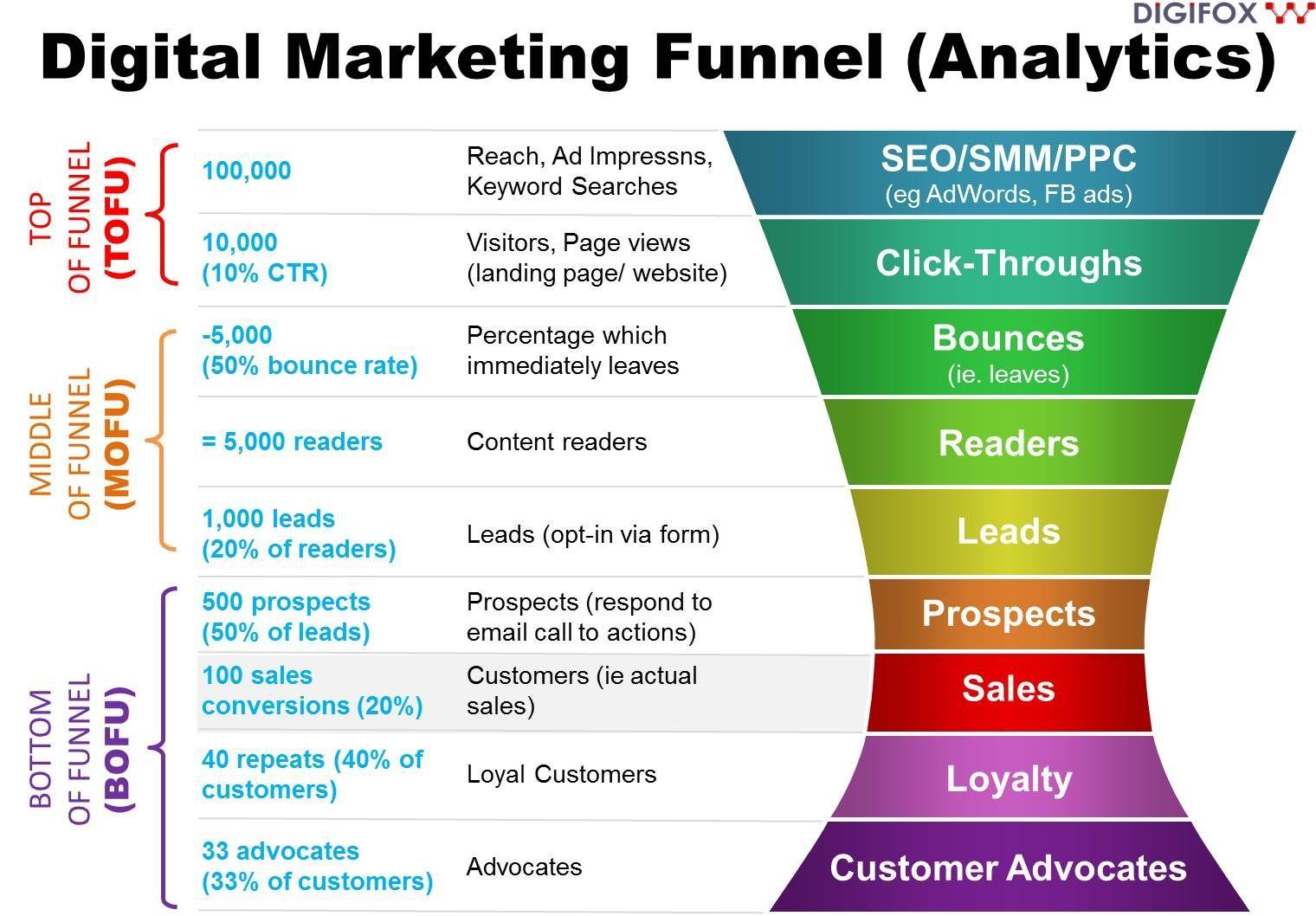
The digital conversion funnels are changing at an unprecedented rate. What used to be a channel of logical progress through awareness, consideration, and conversion has been turned into an interactive experience of data, personalization, and user intent. Since consumer behavior is becoming more advanced, companies are forced to re-evaluate how they develop funnels in order to remain competitive. Digital conversion funnels are not only about selling but also about building meaningful and high-impact experiences that will direct users through the funnel to action.
From Linear Funnels to Adaptive Journeys
Conventional funnels presupposed that users had a linear progress through the funnel. In the present day, that model is no longer relevant. The contemporary consumer engages with brands on several platforms- including:
- Social media
- Email marketing
- Search engines
- Mobile apps
Very frequently, users change their devices during the journey. Digital conversion funnels are going to take the form of adaptive journeys that react to user behavior in real time.
The analytics and customer data based on AI enable companies to trace micro-interactions, anticipate, and tailor messaging based on what the customer intends. This change allows the brands to increase the ramp up your content impact by providing the appropriate message at the appropriate time.
Personalization Will Define Funnel Success
Personalization has ceased to be an option, and the support of future conversion funnels. Users are requiring personalized content, offers, and experiences that are tailored to their specific needs and tastes. Through advanced segmentation, behavioral triggers, and machine learning, hyper-personalized funnels will become the norm.
The upcoming funnels will not rely on the use of common landing pages but rather will automatically create and alter the headlines, images, call-to-action, and even the prices based on the user’s data. This strategy enhances interaction, as well as boosts conversion rates greatly. Organizations that do not make their business personal may lose their focus in the ever-increasing digital environment.
Content as the Engine of Conversion
The content is still the engine of successful funnels, but the attitudes have changed to strategic impact as opposed to quantity.
To ensure their content has the best impact possible, the brands need to align their content with the funnel and its stages:
- Awareness stage: Teach, give information, and get people excited.
- Consideration stage: Objection response and value emphasis.
- Conversion stage: Apply social proof, urgency, and clarity.
Content will not just facilitate the funnel in the future; it will be the funnel.
Automation and AI Will Optimize Every Stage
Automation and artificial intelligence are reshaping funnel performance. Technologies such as:
- AI chatbots
- Predictive lead scoring
- Automated email workflows
- Real-time A/B testing
Will permit funnels to be constantly self-optimizing. AI will discover points of exit, recommend improvements, and produce unique variations. Marketing will become easier and more relevant with AI’s help.
Confidence, Openness, and Client Experience
In the conversion funnels, trust will be a key factor with the introduction of tougher privacy laws and more informed users regarding the use of their data. Very few data culture, moral personalization, and user-friendly design will be the three areas where successful brands will outdo others.
One of the key ranking and conversion factors will be user experience (UX). Quick loading speed, mobile adaptation, ease of navigation, and smooth checkouts will directly affect funnel performance. An enjoyable experience not only enhances conversions but also rand loyalty also becomes stronger in the long term.
Measuring Success Beyond Conversions
Success metrics will also be redefined as a result of the future of digital conversion funnels. Though conversion will still be significant, companies will be more interested in lifetime value, level of engagement, and customer retention. Funnels will not only be limited to the original sale but also to onboarding, upselling, and advocating levels.
Post conversion behavior analysis will allow the brands to optimize their funnels to provide continued value. This is the holistic strategy that aids in increasing your content impact as well as creating long-term growth rather than a quick win.
Conclusion
The future of the digital conversion funnel is intelligent, personalized, and content-based. With the evolution of technology and the higher demands of consumers, companies cannot afford to stay stuck on their old models of funnels and must adopt adaptive and data-driven approaches. Through personalization, automation, user experience, and high-impact content, brands can build funnels that convert but connect. The evolving people today will be the pioneers of the next wave of digital growth.