Key Takeaways
- Modernized business facilities directly support greater student engagement and improved outcomes.
- Facility upgrades are central to attracting prospective students and encouraging retention.
- Flexible learning spaces enable collaboration and adapt to diverse learning preferences.
Modern business facilities represent more than just a structural upgrade for educational institutions. They serve as essential components that drive momentum in student achievement, engagement, and community development. When universities commit to advanced learning spaces, they signal their dedication to both academic excellence and the holistic success of their students. Notably, initiatives like the one led by David Johnson Cane Bay Partners, which helped fund a new College of Business building at the University of West Georgia, exemplify how industry leaders are investing directly in the educational experience.
These strategic investments have been proven to enrich the academic environment and attract ambitious students seeking immersive, real-world business education. By integrating cutting-edge technology and fostering adaptive learning environments, modern facilities have become catalysts for student-led innovation and dynamic collaboration. A well-designed space cultivates a sense of value and belonging among students, encourages creativity, and provides the resources necessary to transform business ideas into reality.
The Impact of Modern Facilities on Student Engagement
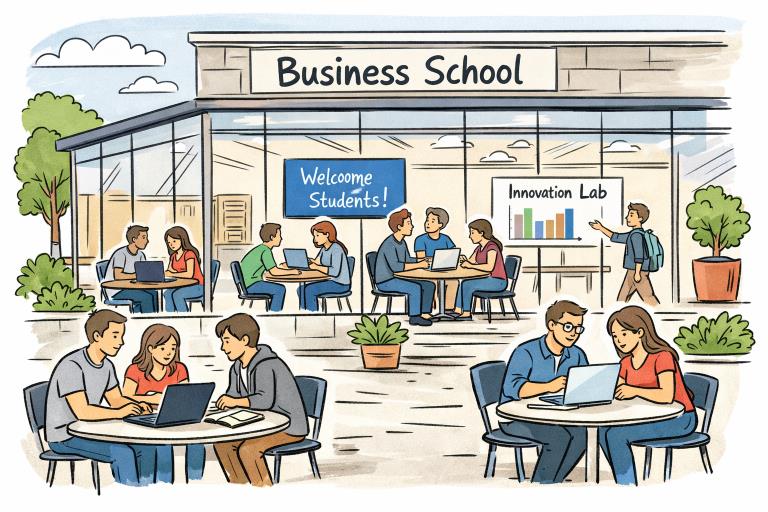
Transitioning from dated, traditional classrooms to contemporary, technology-enhanced learning centers can redefine the way students interact with course material and each other. These carefully crafted environments promote active participation and make space for innovative instructional strategies. A salient example is the Titus/UFG Innovation Lab at Samford University’s Brock School of Business, which provides a collaborative venue where students bring entrepreneurial ideas to life. This type of modern setting not only fosters academic success but also supports the development of professional skills in preparation for an ever-evolving business landscape. Such investments are recognized as pivotal in fostering positive educational experiences, as research indicates that infrastructure improvements positively influence learning outcomes.
Attracting and Retaining Students Through Infrastructure
First impressions can be decisive when students and their families evaluate educational options. Visually impressive, technologically advanced campus buildings reflect an institution’s commitment to academic rigor and student well-being. Schools like Virginia Tech, which have appointed dedicated officials for space management, demonstrate the growing importance of facility development in both recruitment and retention strategies. A cutting-edge physical environment assures incoming students that their university is forward-thinking and invested in their future. This commitment can increase both enrollment rates and student satisfaction, as studies have found that campus amenities play a significant role in college selection.
Supporting Diverse Learning Styles
Modern business facilities do more than provide state-of-the-art infrastructure; they are designed for pedagogical flexibility. These spaces can accommodate lectures, collaborative group work, and independent study, enabling educators to teach in ways that honor the diversity of student learning preferences. Gies College of Business’s recent launch of the Business Pathways Academy underscores the importance of flexible, supportive learning environments for effective skill development. Programs housed in these dynamic spaces encourage different ways of thinking and learning, increasing the likelihood of student success regardless of individual background or learning style.
Enhancing Collaboration and Innovation
Innovation often thrives in environments specifically configured for teamwork and creative experimentation. Facilities that include open workspaces, technology labs, and incubators provide students with opportunities to engage with real-world business challenges. The collaborative settings provided by the Titus/UFG Innovation Lab have been instrumental in molding entrepreneurs at Samford University, illustrating how space design can influence both educational and career trajectories. Purpose-built areas support activities ranging from business competitions to interdisciplinary project development, and help pre- and post-grad students thrive in collaborative, innovative workplaces.
Long-Term Benefits of Facility Investments
While the immediate benefits of upgraded facilities are clear, their long-term impact on student performance and institutional reputation is substantial. Research consistently demonstrates that students attending schools with modernized infrastructures are more likely to attend regularly and achieve higher academic outcomes. Investments in business school buildings have also been linked to broader community engagement and strengthened alumni networks, further contributing to an institution’s success over time. The virtuous cycle of improved learning spaces, higher student achievement, and robust institutional growth becomes a self-reinforcing advantage for forward-thinking universities.
Beyond the direct impact on student achievement and campus life, new business facilities can play a significant role in fostering institutional partnerships and connecting universities with the corporate world. By offering industry-standard meeting spaces and networking lounges, these buildings can host guest speakers, alumni events, and company presentations, making it easier for students to connect with potential employers and mentors. This proximity to industry supports a smoother transition from academic study to professional employment, especially when schools partner with regional businesses to offer internships and project-based learning opportunities. As a result, institutions are better positioned to offer tailored career services and to drive employment rates among graduates.
Furthermore, environmental sustainability in new construction is an increasingly important consideration. Today’s business facilities often feature green building certifications, energy-efficient systems, and resource-conscious designs. These elements not only reduce operational costs but also model responsible stewardship that resonates with environmentally conscious students. Learning and working in facilities that prioritize sustainability inspires a sense of global responsibility, encouraging students to adopt these principles in their future business practices. As social responsibility becomes a defining factor in modern business, exposure to these practices in their academic environment gives students a valuable head start.
Conclusion
The value of investing in modern business facilities reverberates across the academic and professional journey of every student. Enhanced infrastructure cultivates a thriving learning environment where engagement, collaboration, and innovation can flourish. Institutions that strategically upgrade their business facilities are not only positioning themselves as leaders in education but are also ensuring that their students are better equipped for success in an increasingly competitive world.