Commercial asphalt projects are rapidly evolving, driven by technological advancements and a commitment to environmental stewardship. These shifts are designed to create long-lasting, efficient, and environmentally friendly roadways that meet the increasing demands of modern infrastructure. Businesses and municipalities seeking dependable solutions increasingly rely on specialists like a NJ commercial asphalt contractor to provide expertise in implementing the latest methods and materials. There is a clear movement towards smart, sustainable systems in every phase of asphalt production, from material sourcing to final installation.
The demand for modernized infrastructure emphasizes reducing carbon emissions while maintaining cost and performance. New policies favor green solutions, prompting contractors to adopt advanced tech like self-repairing materials and digital systems, and to recycle more in asphalt projects. These innovations extend roadway lifespan, meet sustainability goals, and reduce disruption, impacting supply chains, funding, and the urban landscape. Embracing these trends is crucial for companies seeking resilient, competitive infrastructure.
Sustainable Materials in Asphalt Production
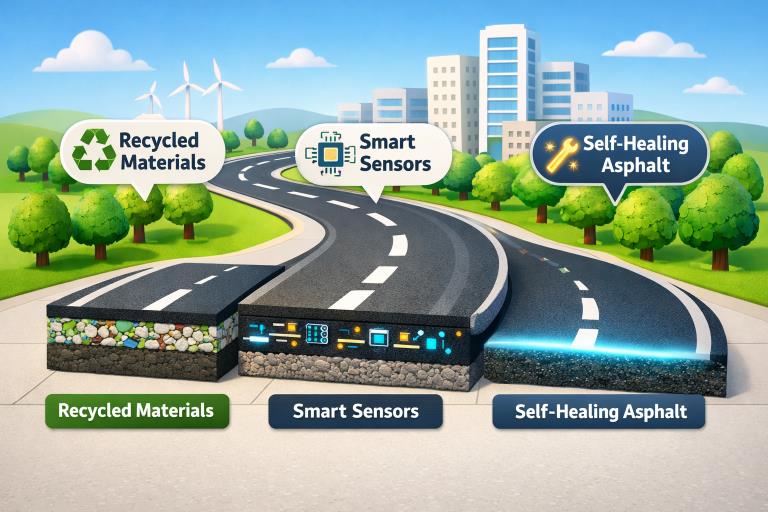
The push for sustainability in the construction sector has led to the adoption of innovative materials in asphalt production. Instead of relying solely on petroleum-based products, manufacturers are using renewable resources, such as wood residues, to produce low-carbon, even carbon-negative, asphalt. Partnerships like the one between Origin Materials and AECI Much Asphalt exemplify this trend, resulting in reduced greenhouse gas emissions throughout the material’s lifecycle. This approach not only substantially reduces the construction industry’s carbon footprint but also aligns with global initiatives for cleaner infrastructure.
Self-Healing Asphalt Technology
One of the most promising breakthroughs in the industry is self-healing asphalt. This technology uses microcapsules containing rejuvenating agents embedded in the pavement mix. When small cracks appear due to weathering or heavy use, these capsules rupture and release healing agents, which repair the cracks before they develop into major structural issues. By minimizing the need for frequent repairs and extending the life of paved surfaces, self-healing asphalt reduces overall maintenance costs and is especially valuable for commercial spaces, airports, and high-traffic roadways. Research into these materials continues to grow, promising even smarter, longer-lasting pavements.
Increased Use of Recycled Asphalt
Recycling has become a foundational part of modern asphalt construction. Known as reclaimed asphalt pavement (RAP), this process allows contractors to repurpose old asphalt, mixing it with new materials for paving projects. The environmental and economic benefits are substantial. The recycled asphalt market is projected to expand, with billions of dollars invested in reprocessing and integrating recycled materials into road surfaces worldwide. This growth is supported by regulatory encouragement of eco-friendly practices and by cost savings from using recycled materials, while the quality and performance of recycled asphalt continue to improve.
Integration of Smart Paving Technologies
Smart technologies are setting a new standard in road construction and management. The latest projects embed sensors within asphalt layers that collect real-time data on surface conditions, vehicle loads, and weather impacts. This data allows for predictive maintenance and improved resource allocation, reducing service interruptions and enhancing safety. Such technologies are integral to advancing smart cities and the next wave of intelligent transportation systems, where the road itself becomes a valuable piece of connected infrastructure. The shift towards these integrated solutions demonstrates a clear path forward for innovative asphalt projects.
Market Growth and Economic Impact
The evolution of commercial asphalt practices is fueling steady industry growth. Projections indicate that the global asphalt market will continue to expand significantly over the coming decade, driven by rapid urbanization, large-scale infrastructure projects, and ongoing technological advancements. As cities strive to modernize transportation networks and accommodate growing populations, demand for high-performance, cost-efficient paving solutions is set to increase. Economic impact studies underscore the role of asphalt upgrades in boosting job creation, reducing long-term maintenance costs, and supporting sustainable urban development.
Challenges and Considerations
Even with the promise of emerging trends, commercial asphalt contractors face ongoing challenges. Price volatility in crude oil can swiftly increase operational costs and strain budgets for both public- and private-sector projects. Investing in state-of-the-art technologies and equipment also requires capital outlay and thorough training for specialized teams. Ensuring high-quality, consistent performance from both recycled and new materials requires stringent quality control and careful project planning. Strategic collaboration between manufacturers, contractors, and stakeholders is essential for overcoming these hurdles and optimizing outcomes for every project.
Conclusion
Commercial asphalt projects are entering a new era of innovation. The integration of sustainable materials, smart technologies, and advanced recycling methods is redefining how roadway infrastructure is built and maintained. Companies and municipalities that embrace these trends will contribute meaningfully to environmental goals while reaping benefits in durability, usability, and long-term savings. As the industry continues to adapt, staying informed and responsive will be key for those aiming to lead in future-ready infrastructure.