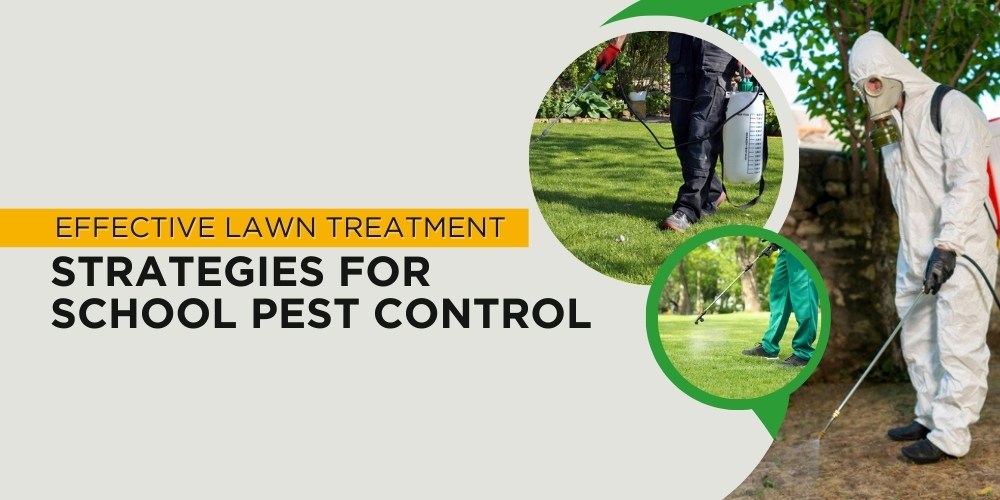
What makes school lawns so crucial in preventing pest problems? Pests often settle in outdoor areas first before moving closer to buildings. With regular lawn treatment, schools can interrupt pest activity early and protect students from unnecessary risks.
This proactive approach also helps maintenance teams avoid costly repairs in the future. When lawns stay healthy, the entire campus benefits. Read on to explore how simple steps can create stronger protection.
Preventive Lawn Treatment Planning
Seasonal planning helps stop pest activity before it becomes a larger problem. Using scheduled applications keeps outdoor areas protected and supports proactive maintenance. The following practices strengthen early prevention:
- Follow seasonal schedules: Applying products at the right time keeps pests from establishing in turf and soil.
- Monitor growth cycles: Tracking weed, insect, and turf activity ensures timing remains accurate.
- Adjust plans during peak seasons: Increasing attention during high-risk periods improves overall control.
Additionally, identifying problem areas early enables teams to use lawn treatment more effectively. These steps improve precision:
- Inspect high-risk zones: Checking shaded patches, damp spots, and lawn edges reveals areas where pests concentrate.
- Document recurring issues: Recording patterns helps teams address the same trouble spots before they worsen.
- Prioritize targeted applications: Directing treatments to known hotspots reduces waste and improves results.
Integrated Pest Management (IPM) for Lawns
Integrated Pest Management (IPM) helps schools maintain safe and healthy outdoor areas by combining eco-friendly practices with careful monitoring. It also reduces chemical use while still providing practical support for school safety. The following methods show how this approach works:
- Use eco-friendly monitoring tools: Inspectors track pest activity with non-chemical methods to identify concerns early.
- Apply lawn treatment only when needed: Targeted applications limit chemical exposure and protect school grounds.
- Maintain healthy turf: Proper mowing, watering, and aeration strengthen the lawn and reduce pest pressure.
IPM also adapts to seasonal changes and shifting pest behavior, providing continuous protection. These steps support long-term results:
- Adjust lawn treatment plans based on pest patterns: Monitoring data helps determine when and how to treat affected areas.
- Review and update strategies: Regular evaluations keep the program effective as conditions change.
Soil and Turf Health Strategies
Healthy soil and firm turf create the foundation for effective lawn treatment. Strengthening the root zone and supporting plant growth enhances the effectiveness of treatments and prolongs their lasting results. The following practices help prepare the lawn for better outcomes:
- Perform soil aeration: Aerating the soil improves airflow, supports root development, and helps treatments reach deeper layers.
- Maintain proper mowing: Cutting grass at the correct height keeps the turf strong and reduces stress.
- Apply balanced turf nutrition: Providing essential nutrients helps build resilience and enhances the lawn’s overall health.
- Improve soil structure: Healthy soil reduces compact areas where pests tend to settle.
- Enhance moisture management: Proper drainage keeps the lawn less suitable for pest development and supports the ongoing performance of lawn treatments.
By focusing on both soil quality and turf health, homeowners achieve stronger, longer-lasting results from every treatment applied.
Targeted Lawn Treatment for High-Risk Zones
School grounds often contain areas where pests thrive, so applying focused lawn treatment is essential for adequate control. The following locations commonly require attention:
- Playgrounds: High foot traffic and soft ground surfaces create conditions that allow pests to settle and spread.
- Sports fields: Wide grassy spaces allow pests to move across large areas with ease.
- Shady, damp zones: Moist soil under trees or near buildings provides the humidity many pests need.
- Irrigated sections: Overwatered spots support pest activity and need regular monitoring.
Moreover, schools can employ selective strategies that minimize disruptions while reducing them. These methods support safer and more efficient pest control:
- Use localized applications: Treating specific zones limits chemical exposure and reduces downtime.
- Schedule treatments during off-hours: Applying products when students are not present maintains safety.
- Choose child-safe formulations: Targeted solutions protect grounds without affecting daily operations.
- Monitor treated areas: Ongoing checks ensure pests remain controlled after each lawn treatment.
Greener Grounds, Safer Schools!
Strategic lawn treatment plays a crucial role in maintaining school grounds’ safety and providing students with outdoor spaces they can enjoy every day. When schools maintain consistency in planning, basic turf care, and targeted applications, each lawn treatment becomes more dependable and easier to manage.
Furthermore, if you need support that meets your school’s specific needs, consider reaching out for lawn treatment as a pest control solution in Arkansas. It’s a simple way to build a customized program that helps protect every student.