In today’s dynamic workforce, professionals are looking for clothing that delivers both resilience and style. The rise of workwear uniforms that combine smart design with rugged materials is changing how people approach dressing for their jobs. This shift is being influenced by increased expectations for comfort, appearance, and sustainable choices, setting the stage for new industry standards.
The evolution of workwear isn’t purely about function. It’s just as much about giving professionals confidence and ease, whether on a job site, in an office, or transitioning between the two. Today’s leading brands are listening to feedback and pioneering innovations that help employees express individual style without sacrificing durability.
This movement toward versatile workwear isn’t just a trend. It’s a response to changing workplace demands and the blending of personal and professional life. Whether you’re a manager, creative, or in the trades, the new era of work clothing is here to support you.
Many modern offices now require attire that bridges practical needs and personal preference, ensuring that employees feel at their best throughout the workday. These developments are backed by a market that values not only toughness but ethical responsibility and inclusivity, making it easier for everyone to find gear that fits their needs and values.
Sustainable Materials
One of the most significant shifts in modern workwear is the focus on sustainability. Brands are increasingly opting for eco-friendly fabrics like organic cotton, linen, hemp, and recycled polyester. These materials are carefully selected not only for their reduced environmental impact, such as lower water usage and fewer chemicals, but also for their proven durability. A sustainable approach to workwear reduces waste and supports responsible consumption, making it a priority for both companies and employees who care about their carbon footprint. Time highlights how sustainable textiles are rapidly transforming the fashion and workwear sectors.
Tech-Integrated Fabrics
Technology is making its mark on work attire in significant ways. Today’s workwear can feature advanced properties such as moisture-wicking fibers, UV protection, and even built-in wireless charging pockets. These developments allow professionals to stay connected and more comfortable in varied environments. Tech-integrated clothing is especially useful in sectors where employees are constantly moving or spending considerable time outdoors, as it provides enhanced convenience and safety.
Gender-Neutral Designs
Another progressive trend is the adoption of gender-neutral cuts and sizing. Designers are working to ensure clothing fits a broad spectrum of body types and identities, removing excessive tailoring or stylistic markers that traditionally distinguished men’s and women’s workwear. This trend makes the workplace more inclusive, reducing the sense of exclusion for those who do not identify with traditional gender categories. It’s a strong step toward accommodating real diversity in the workforce and is being embraced by many forward-thinking companies.
Customization and Fit
Personalization is becoming more prominent in the world of work clothing. Technologies like 3D body scanning and adjustable features provide a tailored fit that enhances comfort and ensures safety standards are maintained. Well-fitted clothing reduces the risk of snagging or discomfort and allows for greater freedom of movement throughout the day. This customization means employees are much less likely to feel constrained, bridging the gap between protection and ease of wear.
Hybrid and Flexible Workwear
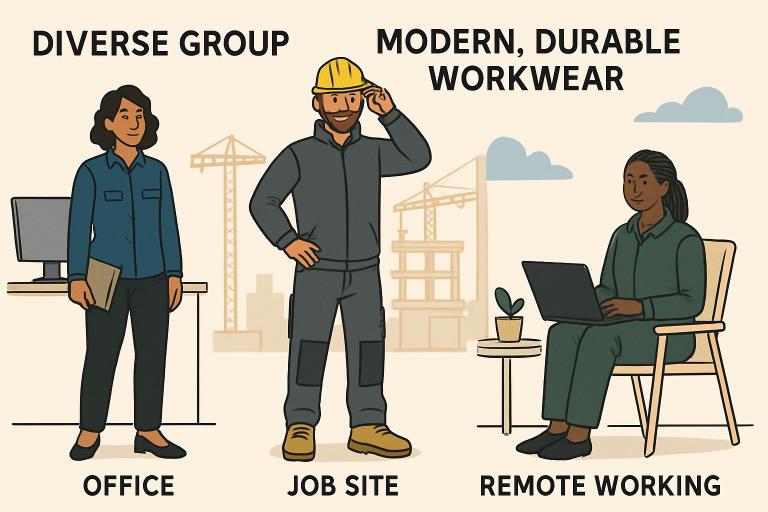
The line between traditional workspaces and remote settings is fading, leading to an increased demand for versatile clothing. Garments such as stretch-fabric polos, lightweight jackets, and multipurpose slacks are designed to carry professionals from virtual meetings to onsite inspections without compromising comfort or style. This adaptability is especially important as businesses experiment with flexible work models and employees split time between different environments.
Functional Minimalism
Minimalism is redefining modern workwear by focusing on subtle but practical details. Rather than bulky utility belts or excessive layering, today’s pieces feature clean lines, reinforced stitching, and hidden pockets that do not compromise the garment’s sleek silhouette. Neutral color palettes and understated patterns make these clothes easy to pair and appropriate for a broad range of occasions, from the boardroom to the field. Minimalistic styles can actually boost productivity and morale by reducing distractions and creating cohesive team appearances.
Advanced Protective Features
Despite the trend toward lightweight and stylish workwear, safety has not been overlooked. Today’s work clothing can include innovative features such as flame resistance, chemical spill protection, and weatherproof coatings. These advancements mean professionals working in physical or hazardous industries can focus on their tasks with greater confidence. Fabrics are tested against tough conditions, and added reinforcements in high-stress areas extend the lifespan of each piece without alienating those who want their work attire to look sharp and modern.
Conclusion
The transformation of workwear is making it easier than ever for professionals to find clothing that meets the demands of their job and personal standards. Sustainable materials, technological advances, more inclusive designs, and a focus on both fit and adaptability are reimagining how people dress for work. As these trends evolve, professionals who prioritize comfort, style, and environmental responsibility are well-positioned to benefit, and companies that invest in quality workwear attire stand to gain in reputation and employee satisfaction alike.