Location and Access
Choosing where to leave your vehicle starts with location. A facility near your destination trims the walk, simplifies pickup and drop-off, and fits neatly into daily schedules. Many operators run multiple sites across a city, giving drivers options along common routes or close to workplaces, hospitals, entertainment districts, and transit hubs.
Garages often layer on specific amenities. Covered parking protects vehicles from the elements. Electric vehicle charging supports modern car ownership. Some locations offer 24-hour access for flexible routines, while valet and self-parking address different preferences and time constraints. When these features align with your daily path, the parking experience becomes an effortless part of your commute rather than a detour.
Navigation and Signage
A well-organized facility acts like a compass that always points the right way. Clear signage, well-marked spaces, and intuitive directional guidance help drivers glide through entry lanes, levels, and exits without confusion. Good design reduces bottlenecks and prevents the slow shuffle of cars searching for a spot.
Many garages now pair physical clarity with digital confidence. Online reservations allow drivers to secure a space before they arrive. This reduces uncertainty and lowers the risk of circling the block at peak times. Lighting, surveillance, controlled entry points, and accessible pathways reinforce convenience and safety, creating a predictable experience whether you are parking at noon or midnight.
Security and Peace of Mind
Security is often a defining difference between garages and open lots. Enclosed facilities typically provide camera coverage across entrances, exits, ramps, and common areas. Staff presence and controlled access help monitor movement and discourage unauthorized entry. For drivers, consistent lighting and defined pathways improve visibility and reduce the anxiety that can accompany dimly lit spaces.
Restricted entry and monitored exits keep traffic orderly. Marked pedestrian walkways and vehicle guidance systems shape movement into a smoother pattern that reduces close calls and fender benders. These measures turn parking into a well-choreographed dance rather than a crowded scramble, protecting both vehicles and people.
Weather Protection and Vehicle Care
A garage is an umbrella for your car. Covered structures shield vehicles from sun, rain, snow, and hail. By limiting exposure to precipitation and direct sunlight, garages help preserve paint, trim, and exterior finishes. Overhead protection also reduces the risk of scratches from falling debris and the wear caused by dust and airborne particles.
Enclosed or partially enclosed designs minimize wind and the grit it carries. During storms, drivers can step out of their vehicles onto clear, dry pathways and reach elevators or exits without battling the elements. Over time, this protection can mean fewer cosmetic concerns and a better maintained appearance.
Space Optimization in Structured Facilities
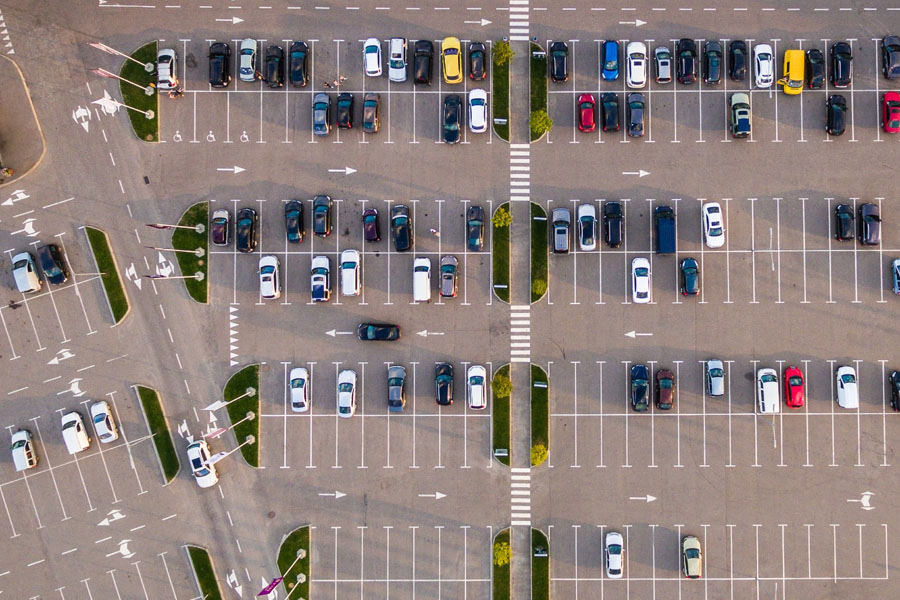
Well-run garages treat space like a finely tuned puzzle. Structured layouts guide vehicles along planned lanes, maximize capacity, and lessen congestion. Facility management tracks utilization to maintain smooth traffic flow. When entry counts are balanced and exits are managed, gridlock stays at bay.
Digital tools help drivers find open spaces faster. Real-time availability displays, mobile applications, and wayfinding systems cut search time. Garages may designate sections for oversized vehicles, EV charging bays, and accessible parking close to elevators or ramps. Reserved options, including monthly plans and regular-use arrangements, give frequent parkers reliable access to preferred areas.
Professional Management and User Experience
Behind every orderly facility is a team that keeps everything running. Trained staff coordinate entry, exit, and reserved zones. They monitor compliance with time limits, loading rules, and safety standards. When questions arise, attendants and managers address concerns, manage special access, and keep communication clear.
Professional management often maintains detailed records of reservations and subscriptions, so returning customers can move quickly through familiar routines. Digital dashboards that track space use and reservations plug into on-site operations, linking day-to-day activity with planning and service. The result is a reliable, predictable experience that reduces guesswork for drivers.
Open Lots: When Simplicity Wins
Open lots can be the straight line to parking when simplicity is the priority. They commonly provide wide, easy-in-and-out areas with fewer levels and fewer turns. For short stops or events where surface proximity matters, an open lot can be quicker to enter and leave, especially in smaller towns or low-traffic zones.
However, simplicity does not always equal predictability. Open lots may have limited lighting, less surveillance, and fewer controlled entry points. Weather exposure is also greater. For drivers who value speed and straightforward access, an open lot can work well. For those who prioritize protection, security, and amenities, a garage often offers a stronger set of features.
Digital Tools and Reservations
Technology is reshaping the parking experience. Many facilities provide online platforms where drivers can reserve spaces, manage monthly passes, and view real-time availability. Confirmation emails or app notifications reduce uncertainty before you even start the engine. In busy periods, reservations cut down on circling, conserve time, and lower stress.
These systems enhance operational efficiency too. When management knows expected arrivals and reserved allocations, staff can adjust traffic routes, open additional lanes, or direct overflow to designated areas. Digital tools draw a map before the day begins, turning potential chaos into coordinated flow.
Finding a Facility That Fits Your Routine
The right choice blends location, features, and personal priorities. A garage with covered parking, strong security, and EV charging may be the best fit for daily downtown routines. An open lot near a sports venue might be ideal for quick access and rapid exit after a game. Monthly or daily passes provide consistency for regular users, while casual parkers benefit from flexible options and clear signage.
As you weigh the differences, consider the hidden benefits that accumulate over time. Protection from weather preserves your vehicle’s finish. Lighting and surveillance offer peace of mind. Structured layouts save minutes that add up across a week. When the pieces align with your habits, parking stops feeling like a chore and becomes a seamless step in your day.
FAQ
Is a garage always safer than an open lot?
Garages typically offer stronger security through controlled entry, monitored exits, consistent lighting, and camera coverage. While open lots can be secure, the enclosed design and active management common in garages usually provide better visibility and oversight.
How do online reservations work in parking facilities?
Drivers use a website or mobile app to select a location, choose a time window, and confirm a spot. On arrival, the reservation links to plate recognition, a QR code, or a staffed checkpoint. This process reduces search time and helps facilities plan traffic flow.
Do garages help protect electric vehicles?
Yes. Garages often provide EV charging stations and covered spaces that shield vehicles from temperature extremes and precipitation. Protection from weather helps maintain the condition of charging components and the vehicle’s exterior.
What features improve nighttime parking?
Bright, consistent lighting, clear signage, marked pedestrian paths, and camera coverage improve safety and navigation after dark. Controlled entry points and staff presence also support orderly movement and quick assistance if needed.
Can open lots be efficient during busy periods?
Open lots can be efficient when they have clear lane markings, defined entry and exit points, and staff directing traffic. However, garages with structured layouts and availability monitoring generally handle peak times more smoothly due to coordinated design and management.