Why Blackout Blinds Earn Their Place
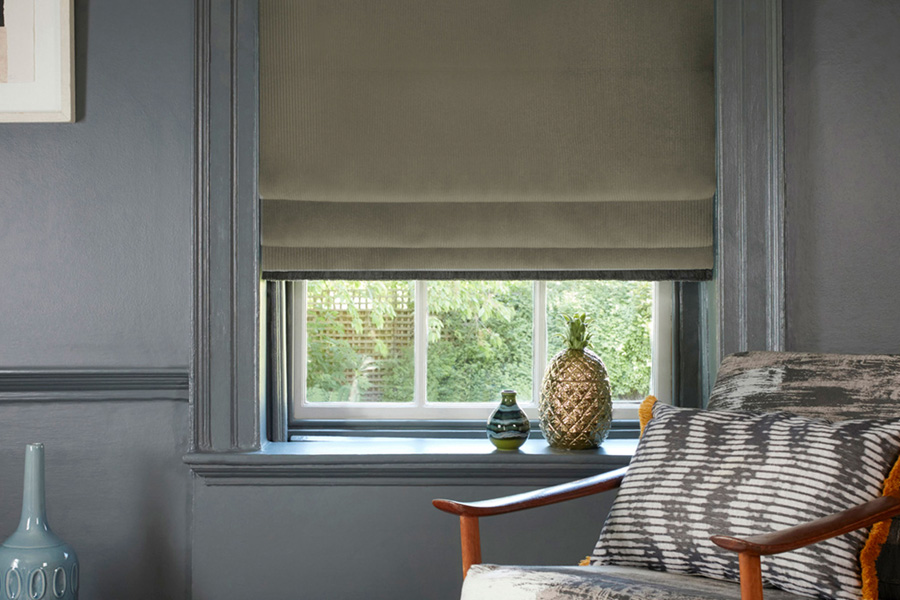
Blackout blinds are more than just dark fabric on a roller. They are quiet guardians that tame unruly daylight, hush street glare, and soften temperature swings. By wrapping windows in dense, gap-covering materials, they block most incoming light and curb heat buildup. That translates to calmer rooms, cooler afternoons, and a better chance at restorative sleep.
Well-chosen blackout blinds can make a noticeable difference. Bedrooms that face the morning sun become steady sanctuaries. Media rooms turn crisp and cinematic. Offices shed glare and distractions. In sun-prone spaces, heat gain can drop significantly, sometimes by more than half, and temperatures can stay a few degrees cooler on bright days. Comfort rises, energy bills settle down, and the space feels under your control.
Core Benefits at a Glance
Blackout blinds excel in a handful of pivotal ways. They deliver near-total light control, making it possible to create darkness on demand. They temper indoor temperatures by reducing solar heat gain through glass. They elevate sleep quality by eliminating early light leaks that nudge the brain awake. They heighten privacy in rooms that face sidewalks, neighbors, or busy streets. And they cut screen glare so work, movies, and gaming feel easier on the eyes.
Bedrooms: The Prime Candidate
If you install blackout blinds in just one room, choose the bedroom. Nighttime light from street lamps, passing cars, or a neighbor’s porch can fragment sleep. Early dawn can slip through thin fabrics and wake you prematurely. Blackout blinds act like a sleep mask for your room, keeping mornings gentle and nights uninterrupted. For shift workers, light-sensitive sleepers, or anyone who wants tighter control over rest, they are essential. In sun-facing bedrooms, they also reduce afternoon overheating and help the space feel stable across seasons.
Nurseries and Kids Rooms: Routine Made Easier
Little sleepers benefit immensely from predictable darkness. Naps feel smoother when visual stimulation is cut down. Bedtime routines grow calmer when the environment supports winding down. Blackout blinds can quell midday brightness, help regulate temperature during hot afternoons, and make it easier to keep sleep schedules consistent. Parents often notice improvements quickly because the room sends a clear signal: it is time to rest.
Home Theatres and Media Rooms: Picture-Perfect Darkness
Projectors and big screens thrive in controlled light. Even a sliver of sun can wash out contrast and flatten color. Blackout blinds let you dial in true theatre darkness, removing glare and boosting clarity. The effect is immediate. Images gain depth. Whites look crisper. Blacks go inky. And by limiting solar heat in rooms with large windows, you may put less strain on cooling, creating comfort that lasts through long streaming sessions.
Home Offices: Quiet the Glare, Guard Your Focus
Productivity rises when your workspace is free from visual strain. Blackout blinds can block the harsh slice of midday sun, ease eye fatigue, and make video calls look consistent. In offices that face strong light, they keep heat in check so your mind can stay on the task rather than the thermostat. Pair them with light-filtering shades if you want to switch between gentle daylight and deep focus mode without moving your desk.
Guest Rooms: Hospitality in Every Season
Guests appreciate simple comforts. Waking up when they choose. Sleeping without glare. Feeling cool even when the weather turns fiery. Blackout blinds help you deliver that hospitality. They add privacy, insulate underused rooms, and maintain a balanced environment. It is a small upgrade with outsized impact on how welcome a space feels.
Bathrooms: Use with Care
Bathrooms demand privacy, yet also need ventilation and daylight for grooming. Choose blackout blinds selectively. They make sense when windows face neighbors directly, when morning sun is too strong, or when glare on mirrors is a daily hassle. Opt for moisture-resistant fabrics designed for humid environments. In many cases, frosted or textured glass is a simpler, long-lasting alternative that keeps privacy high without managing blinds day after day.
Where Blackout Blinds Are Not Ideal
Blackout blinds are powerful tools, but not every room needs that level of darkness. Some spaces thrive on daylight, prefer adjustable light, or require materials that handle moisture and mess. Thinking about how you use a room helps avoid overspending or ending up with a cave when you wanted a bright haven.
Living Rooms That Depend on Daylight
Living rooms often play host to gatherings, reading, and daily relaxation. Natural light keeps these spaces open and inviting. Full blackout can feel heavy here, especially during daytime. Consider zebra blinds for adjustable layers, sheer shades for soft illumination, or light-filtering roller blinds that tame glare without erasing sunshine. The goal is a gentle balance that preserves brightness.
Kitchens and Dining Areas with High Daily Use
Kitchens are task zones. You need visibility for chopping, cooking, cleaning, and keeping an eye on little hands. Blackout blinds can make the room feel closed off, and they are not always practical where spills and splashes happen. Look to light-filtering fabrics for clarity, faux-wood blinds for easy cleaning and durability, or vinyl roller shades that shrug off humidity. Good airflow matters, and lighter materials often complement it.
Hallways and Transitional Spaces
Safety and welcome are enhanced by daylight in stairs, entryway, and hallways. Blackouts in certain places might block sightlines and cast shadows. Sheer panels, zebra or dual-layer treatments, and solar blinds that block UV and preserve visibility work nicely. They make the area light and navigable.
Rooms With Persistent Moisture and Limited Ventilation
In laundry corners, bathrooms without windows, or any room that traps humidity, certain blackout fabrics can hold moisture and be harder to maintain. Choose moisture-safe materials like vinyl or PVC if darkness is necessary. Avoid layered fabrics unless they are specifically engineered for humid conditions. A fabric that fights mold and mildew is worth the extra scrutiny.
Spaces That Require Multiple Light Modes
The same space can serve various purposes. A studio can be a workshop at midday and a bed at night. A den can host parties and movies. Blackout blinds can be too binary. Two-layer configurations with blackout and light-filtering components allow varied transitions. Zebra blinds enable you easily switch between transparency and seclusion to shape light with a touch.
Choosing Fabrics and Fit for Performance
Performance lives in the details. Dense, opaque textiles, side channels, and well-fitted hardware help block light bleed around edges. Lighter colors can still be blackout if the lining is designed properly. In sunny rooms, consider thermal or reflective backings to limit heat gain. For spaces prone to wear, pick materials that clean easily. Measure carefully to close gaps and ensure the full benefit of the investment.
FAQ
Do blackout blinds really improve sleep quality?
Yes. Even small amounts of light can trigger wakefulness and shorten deep sleep. By blocking light leaks from street lamps, dawn, and passing cars, blackout blinds make the sleep environment more consistent, helping your body stay in restorative cycles longer.
Can blackout blinds help lower cooling costs?
They can. By reducing solar heat that pours through glass, blackout blinds curb indoor temperature spikes. In sun-facing rooms, heat gain can drop markedly, and spaces may stay several degrees cooler on bright days. That means your cooling system works less, often leading to savings.
Are blackout blinds suitable for bathrooms?
Use them selectively. Choose moisture-resistant fabrics designed for humid conditions and proper ventilation. If privacy is the main goal, frosted or textured glass is a strong alternative that avoids daily blind adjustments while maintaining light.
What is the difference between blackout and light-filtering shades?
Blackout shades aim to block nearly all incoming light using dense fabrics and gap-minimizing hardware. Light-filtering shades soften brightness, reduce glare, and add privacy while still allowing daylight to pass through. One creates near darkness. The other shapes light gently.
How do I handle rooms that need both daylight and darkness?
Consider dual-layer systems. Pair blackout blinds with light-filtering shades or use zebra blinds to move seamlessly from transparent to private settings. This approach lets you set daylight for work or leisure and switch to darkness for sleep or movie night.
Do lighter colored blackout blinds work as well as darker ones?
They can. The effectiveness depends on the opacity of the fabric and the quality of the lining, not just the color. Well-engineered light-colored blackout fabrics block light similarly to dark ones, especially when paired with tight side channels and good installation.