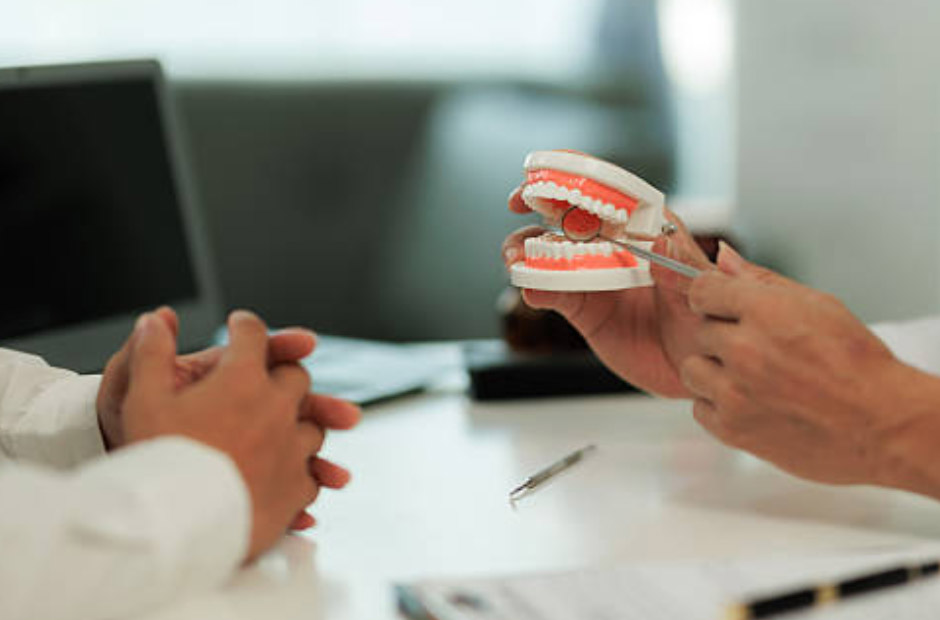
Brushing and flossing are generally viewed as hygiene tasks. You do them because you’re told to, kind of like making your bed. However, your mouth is a living, breathing ecosystem that is constantly fighting for or against you 24/7. Once you learn how that ecosystem operates, those daily to-dos become less of an obligation and more of an essential.
Why Technique Matters More Than Effort
The brush, not your laziness, maybe the biggest reason you’ve still got plaque on your teeth. Most of us move our toothbrushes straight across our teeth, hitting the plaque where it’s easiest to reach, the large, flat surfaces. But the place where most cavities form is in the concave fissures on the biting surfaces of molars and premolars, where each stroke of the bristles misses some of that golden biofilm territory. Plaque often remains there undisturbed until the next cleaning six months later, when it has had plenty of time to convert sugar into acid.
Brushing hard in the wrong direction is also a gift to plaque: it can wear away gum tissue and bone over time, making the ridges even deeper and better hotels for bacteria. The best angle for the bristles to use to sweep under the gumline just so happens to also be the best angle for keeping a good clean edge on your gums.
The Silence Problem In Dental Disease
Tooth pain is a sign that comes too late. In general, when a tooth hurts, it’s been an issue for months or maybe years. Early stage decay doesn’t involve the nerve of the tooth and so doesn’t hurt. Gingivitis, the earliest stage of gum disease, almost never causes discomfort.
This is why nearly 47% of Americans 30 and older have periodontal disease (CDC) – it goes undetected. And as it progresses from gingivitis to the more advanced stage, periodontitis, it leaks inflammatory bacteria and biotoxins into the bloodstream, inflaming blood vessels, decreasing tissue sensitivity to insulin, and increasing the risk for heart disease, stroke, and problems regulating blood sugars. By the time you feel pain, it’s too late, and fixing the problem is unpleasant, costly, and time-consuming.
Using pain as a warning signal to detect dental disease is like using your wisdom teeth to decide when it’s time to do anything – those teeth don’t even emerge until long after the healthy breeding years are past. If we had to rely on pain, none of us would ever get enough care.
What You Eat Matters Less Than When You Eat It
Everyone knows sugar causes tooth decay, but not many consider how often we consume sugary items during the day and the effect that has on our teeth. Whenever you have something to eat or drink (aside from water), the bacteria in your mouth create acid and lower its pH level. Saliva needs up to 40 minutes to repair the damage and allow for enamel remineralization.
Having several snacks during the day keeps your mouth in this acidic state for a longer time, not allowing for the recovery your enamel needs. So, three snacks with the same sugar content can be more harmful to your enamel than only one snack. Xerostomia, also known as dry mouth, can be a severe issue in this case as saliva is the best defense your body has against acid cycling.
Cutting down on snacks, drinking water, and finishing your meal with cheese or water can give your enamel more time for recovery.
What Home Care Can’t Do On Its Own
No matter how disciplined your daily routine is, there’s a ceiling on what you can accomplish at home. Plaque that isn’t removed within about 48 hours hardens into calculus – mineralized deposits that bond to the tooth surface and cannot be removed by brushing or flossing, period. Once calculus forms, the only way to remove it is through a professional prophylaxis: a clinical cleaning performed by a dental hygienist using specialized instruments.
This is where professional guidance becomes concrete. The ADA recommendations for dental care outline not just how often to schedule cleanings, but which specific products have been evaluated for safety and effectiveness – from toothpaste fluoride concentrations to the criteria for the ADA Seal of Acceptance. Fluoride is particularly worth paying attention to: it’s the mechanism by which remineralization happens, and not all products deliver it in clinically meaningful amounts.
For most adults, professional cleanings twice a year are standard. Some individuals – those with a history of gum disease, heavy calculus buildup, or compromised immunity – benefit from more frequent visits. Your dentist determines this based on your specific risk profile, not a one-size schedule.
Building a system that holds
The objective is not flawless teeth but an equilibrium in the oral environment so that bacteria are kept at fairly low levels, the enamel has time to repair itself, and professional care can catch things that your daily routine can’t prevent. The key here is that consistency trumps any specific thing you do or use.
View oral hygiene as upkeep, not a save-the-day-hero situation. The mouth you’ll have at sixty is for the most part the mouth you’re making for yourself at thirty.