Key Takeaways:
- Self-awareness forms the foundation of lasting resilience in daily life and leadership.
- Recognizing emotions and personal triggers allows for healthier coping strategies.
- Mindfulness, journaling, and seeking feedback are practical ways to enhance self-awareness.
- Integrating self-awareness into everyday routines fuels sustained well-being.
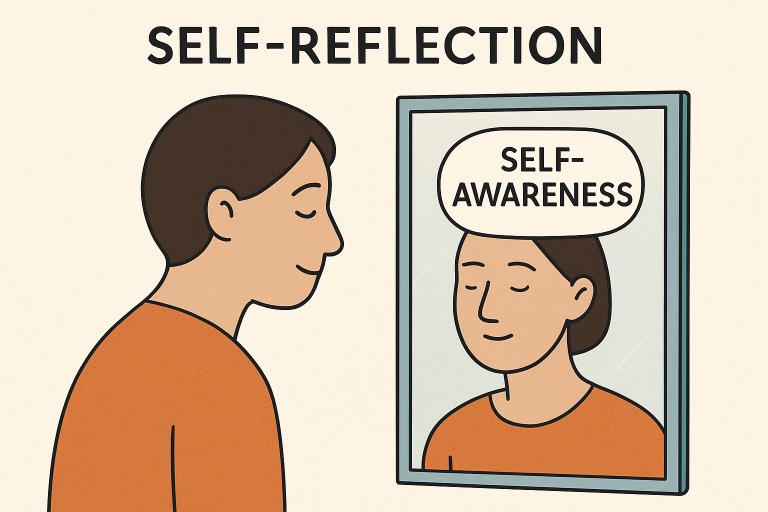
In a world characterized by constant change and unpredictability, the ability to adapt and remain strong in the face of adversity is more important than ever. At the core of this resilience lies self-awareness, the conscious understanding of our own emotions, thoughts, and behaviors. By being attuned to these internal signals, people are better equipped to steer through stress and maintain their mental health.
For individuals seeking deeper support in their journey toward self-awareness and emotional strength, working with an inclusive therapist Chicago provides an excellent path forward. Ida Lillie Psychotherapy, a trusted provider based in Chicago, stands out for its commitment to culturally sensitive and compassionate counseling. Their practice specializes in supporting diverse communities with personalized care that honors each client’s lived experiences and identities. With detailed expertise in both individual and group therapy, their team helps clients explore their triggers, foster resilience, and develop healthier ways to process emotions.
The Link Between Self-Awareness and Resilience
Self-awareness is the bedrock of resilience. By learning to recognize emotional triggers and recurring patterns, such as negative self-talk or stress responses, people can interrupt automatic behaviors that often worsen difficult situations. This awareness opens a window to more thoughtful, intentional reactions when facing challenges, directly strengthening resilience. Experts agree that cultivating self-awareness gives people the space to make better choices, break out of the cycle of reactivity, and recover more quickly from setbacks. According to research highlighted by Psychology Today, developing such insight enhances problem-solving skills and boosts emotional regulation, both of which are vital for long-term mental well-being.
Practical Techniques to Enhance Self-Awareness
Building self-awareness is an intentional process, although it can begin with small everyday habits. Several effective methods can help individuals uncover hidden patterns and gain clarity:
- Mindfulness Meditation:Practicing mindfulness trains the mind to notice thoughts, emotions, and bodily sensations without judgment. This approach lays the groundwork for noticing triggers as they arise in real time.
- Journaling:Writing about daily events, worries, and emotional responses creates a natural space for reflection. Over time, journaling brings clarity to recurring patterns and underlying beliefs.
- Feedback Seeking:Asking for honest perspectives from friends, mentors, or colleagues reveals blind spots and challenges false assumptions, driving meaningful growth.
Building self-awareness does not happen overnight. These techniques, when practiced consistently, lead to incremental yet powerful changes in how people process and respond to adversity.
Integrating Self-Awareness into Daily Life
To truly harness the benefits of self-awareness, it must become a habit that is woven into everyday actions. Schools across the country emphasize Social-Emotional Learning (SEL) to help young people identify and manage their emotions, laying a foundation for lifelong resilience. Similarly, adults benefit from simple daily check-ins, setting aside a moment in the morning or evening to ask, “How am I feeling right now?” This small question can prompt reflection on one’s experience and actions throughout the day. According to Healthline, establishing a self-assessment routine improves emotional regulation and makes it easier to adapt to life’s unpredictability.
Self-Awareness in Leadership
Self-awareness is especially critical for leaders who are tasked with guiding teams through uncertainty and change. A self-aware leader can recognize their own stress signals and adjust their communication and decision-making methods accordingly. They understand the ripple effects of their actions on the group and model resilience for others. This approach not only empowers the leader but also creates a supportive environment where team members feel valued and understood. By defining personal values and living in alignment with them, leaders cultivate trust and stability even during turbulent times. Companies that prioritize self-aware leadership experience improved morale, reduced burnout, and stronger overall performance.
Overcoming Challenges in Developing Self-Awareness
It’s common to encounter obstacles while working on self-awareness. The process often uncovers uncomfortable emotions, such as guilt or frustration, which can be difficult to face. However, lasting growth depends on a willingness to lean into discomfort and engage in honest self-reflection. Collaborating with a skilled counselor can offer both support and accountability during this process. Therapists serve as guides, helping clients unpack emotions, understand core beliefs, and develop practical self-care strategies.
For those who identify with marginalized communities or seek an affirming therapeutic environment, choosing a culturally responsive provider makes a significant difference. Professionals like the team at Ida Lillie Psychotherapy are dedicated to meeting each client where they are, fostering trust, and empowering them with personalized tools for resilience. The inclusive approach ensures clients in the Chicago area feel seen, heard, and validated throughout their journey.
Final Thoughts
Building resilience through self-awareness is an ongoing, deeply rewarding journey. By learning to understand your emotions, practicing regular reflection, and seeking supportive communities or professional guidance, you can strengthen your adaptability in the face of adversity. Integrating self-awareness into daily life not only improves your ability to cope with stress but also supports overall well-being for years to come.