Key Takeaways
- Material choice significantly affects durability, security, and required maintenance.
- Door style should harmonize with your home’s architecture for cohesive curb appeal.
- Security features, energy efficiency, and professional installation are paramount for optimal performance.
- Investing in quality yields benefits in energy savings, security, and property value.
Your front door is more than just an entryway. It serves as the focal point of your home’s exterior, setting the mood for guests and anyone passing by. Selecting the right door not only boosts curb appeal but also strengthens your home’s security. For more practical advice, you can find helpful tips on how to choose an exterior door that suits your home’s needs and aesthetics.
The right front door seamlessly blends style, safety, and efficiency. It’s a key decision that impacts your home’s value and your family’s comfort year-round. Explore the various materials, security features, and installation tips to make sure you invest wisely in your next entrance upgrade.
Whether you’re renovating or building a new home, understanding your entryway options is essential. Consider not just appearance, but also practical factors such as maintenance, insulation, and long-term durability. This comprehensive guide breaks down each essential factor to make your decision easier.
With this knowledge, you can confidently choose a front door that matches your style, protects your loved ones, and stands the test of time.
Material Matters: Weighing Your Options
The first and most essential decision when choosing a front door is the material. Each common choice offers unique pros and cons that fit specific needs and lifestyles:
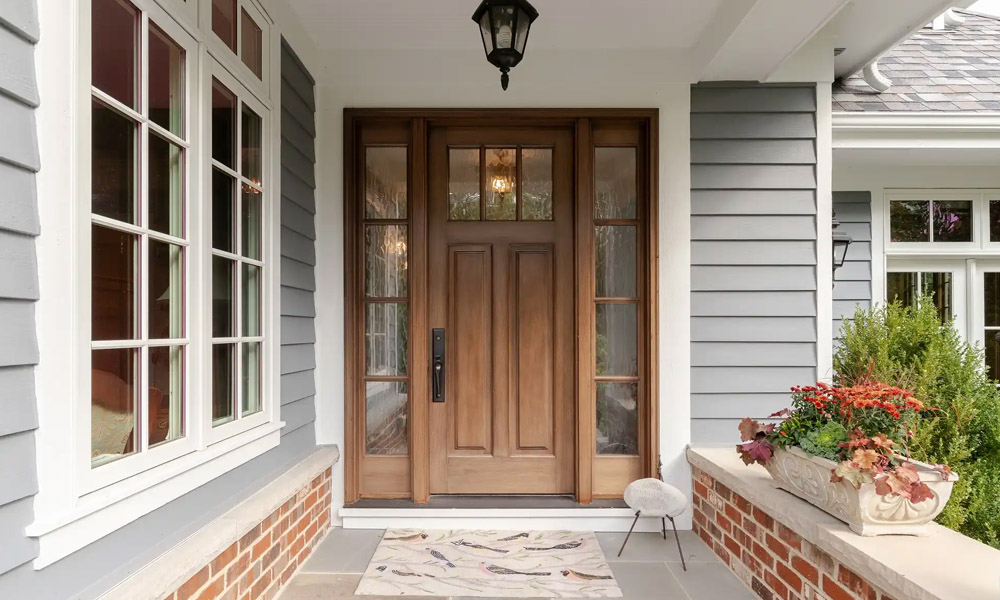
- Wood:Renowned for its warmth and timeless character, wood remains a classic for traditional homes. However, it demands regular sealing or painting to keep moisture and warping at bay. A well-maintained wood door can last many decades and can even be refinished for a new look.
- Steel:Favored for strength, affordability, and exceptional security features. Steel doors are also energy-efficient, thanks to added insulation. While extremely tough, they may dent with strong impacts and can be susceptible to rust if the paint is compromised.
- Fiberglass:Offers the look and feel of wood but with superior resistance to weather and wear. It resists dents and can feature foam insulation for top-tier energy efficiency. Maintenance is minimal, making it ideal for busy households.
- Aluminum:Lightweight and naturally corrosion-resistant, aluminum models are durable and often used in contemporary designs. While not as strong as steel, they resist rust and can be easily customized with various finishes.
Understanding these materials and their long-term care needs will help you choose a door that fits both your style and your daily routine.
Style and Design: Complementing Your Home’s Architecture
Your front door’s design should fit seamlessly with your home’s architectural character. For instance, a paneled wood door pairs perfectly with Colonial or Craftsman homes, while minimalist flush doors or models with geometric glass inserts suit modern abodes. You can further personalize your entryway with side lights or decorative glass panels that invite more natural light without sacrificing privacy.
Pay close attention to details such as color, hardware, and window accents. A bold paint color can dramatically improve curb appeal, and unique hardware, such as knockers, adds charm and distinction. Consider your home’s overall look and select a door that elevates its style without overpowering other exterior elements.
Security Features: Protecting Your Home
Security is a paramount concern for any homeowner. A strong, reliable front door is your first line of defense. Here are crucial features to prioritize:
- High-Quality Locks:Opt for commercial-grade deadbolts or multi-point locking mechanisms that secure the door at multiple points along the frame. These systems greatly increase resistance to forced entry.
- Reinforced Frames:Solid and reinforced frames help prevent break-ins. Ensure the strike plate is deeply anchored and constructed from durable steel for maximum holding power.
- Smart Technology:Many modern doors offer integrated smart locks, cameras, or sensors that enable remote access and real-time monitoring. These smart features are often compatible with most home security systems and can be managed via a mobile app, enhancing both convenience and protection.
Energy Efficiency: Keeping Comfort In and Costs Out
An energy-efficient front door does more than just reduce your environmental impact. It helps keep your home comfortable year-round, potentially lowering heating and cooling bills. Look for features such as thick insulation cores, tight weatherstripping, and triple-glazed glass. Fiberglass and steel doors with insulated cores perform exceptionally well.
Properly fitted doors with high-efficiency ratings help block drafts and noise, making your home feel quieter and more pleasant inside. Certifications such as Energy Star can help you compare performance between models.
Installation: Ensuring Proper Fit and Function
Even the best door will not function optimally if installed incorrectly. Professional installation ensures your chosen door operates smoothly, seals tightly against the weather, and aligns perfectly within the frame. Drafts, leaks, or misalignment can occur with DIY installation, potentially voiding warranties and impacting security.
Partner with a reputable contractor or door company to ensure your new entry is installed to the manufacturer’s specifications. This investment up front can save money on energy bills and potential repairs later.
Maintenance: Keeping Your Door in Top Shape
Caring for your front door prolongs its beauty and efficiency. Wood doors may need periodic sanding, staining, or painting. Steel doors should be checked for chips or rust, which can be repaired with a matching touch-up paint. Fiberglass and aluminum are low-maintenance, usually only requiring seasonal washing with mild soap and water.
Don’t forget to inspect and maintain locks, handles, and hinges to ensure smooth operation year after year.
Budget Considerations: Balancing Cost and Quality
While it’s tempting to choose the most affordable model, the front door is a long-term investment influencing your home’s security, efficiency, and curb appeal. Balance your budget with features and materials that offer years of value. Quality doors often pay for themselves over time, thanks to lower energy costs, fewer repairs, and potentially higher resale value.
By weighing your options and considering each factor, you can confidently select a front door that enhances your home’s safety, beauty, and comfort for years to come.