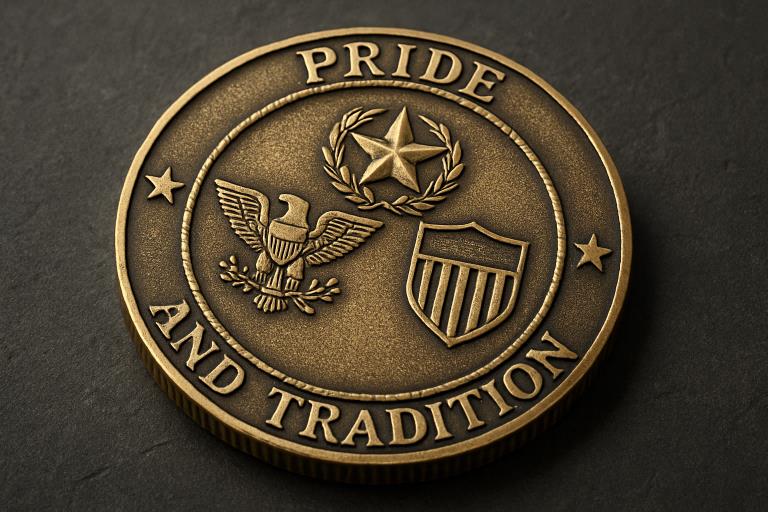
Military challenge coins are more than just mementos. They represent honor, camaraderie, and dedication, with rich traditions dating back over a century. Whether given to commemorate missions, achievements, or group unity, military challenge coins hold a special place in military culture and beyond. Their design process demands attention to detail and an understanding of what makes these coins a symbol of pride for their recipients.
Creating a military challenge coin is a journey that combines artistry, symbolism, and heritage. Every aspect, from the materials to the meaningful details etched on each side, contributes to the message the coin carries. This comprehensive guide outlines everything you need to consider in order to produce a challenge coin that truly resonates, whether for service members, units, or special occasions.
Today, challenge coins are cherished by all military branches, and even first responder and civilian communities have adopted the tradition. Understanding the intricacies of their design and presentation helps create coins that are both beautiful and deeply meaningful to those who receive them.
By following the steps and best practices discussed here, you can ensure the final piece serves not just as a keepsake but as a lasting symbol of achievement and connection within your organization or team.
Understanding the Significance of Challenge Coins
The tradition of challenge coins began during World War I when unit members received coins to signify identity and foster unity. Over time, these small tokens have become a point of pride among military personnel, commemorating special achievements, service milestones, and acts of valor. They are also a way to build community and recognize dedication among those in uniform. Today, the exchange or gifting of a challenge coin often marks memorable moments and major accomplishments within military and first-responder circles.
Key Elements of Challenge Coin Design
When planning a challenge coin, focus attention on the core aspects of its design. The coin’s size and shape matter for both hand feel and display, and standard sizes range from 1.5 to 2 inches in diameter. Opting for a custom silhouette can add personality or reinforce a unit’s unique identity.
- Color Scheme:The color palette should reflect the organization or commemorate the occasion, using hues found in unit insignias or representing branch traditions.
- Text and Fonts:Select clear, legible fonts, and ensure that important elements such as dates, names, or mottos are included. Placement and font choice impact both readability and aesthetics.
Choosing the Right Materials and Finishes
The materials and finishes you choose for your coin directly impact how it is perceived and how long it endures. Most challenge coins are produced using brass, copper, or zinc alloys, offering durability and weight. Finishes such as polished gold, silver, or antique patinas can drastically change the appearance and perceived value of the piece.
- Polished Finishes:Shiny gold or silver coatings bring a modern, prestigious look.
- Antique and Dual Finishes:Older, antique styles or dual-plated coins add depth and provide a classic feel, pairing well with historical units or commemorative occasions.
Incorporating Symbolism and Emblems
Symbols, logos, and emblems are central to a powerful challenge coin design. These elements visually communicate unit identity, mission values, or specific achievements. For example, the U.S. Army Combat Capabilities Development Command (DEVCOM) Analysis Center director’s coin uses the imagery of a modern soldier to capture the future focus of their mission and embody team pride.
Carefully selecting or designing emblems for your coin ensures the piece carries lasting meaning for all who receive it.
Personalization and Customization Options
Adding customized touches elevates a challenge coin from simple memorabilia to a cherished keepsake. Personalized engraving—such as recipients’ names, ranks, or key dates makes each coin distinctly meaningful. Techniques like 3D relief, special cutouts, or glow-in-the-dark enamel can further set your coins apart and make them memorable.
- Engraving:Names, call signs, or deployment dates commemorate individual achievements and experiences.
- Unique Features:Options such as raised 3D elements or enamel infills can create a tactile, impressive finish.
Ensuring Quality and Durability
For a coin to retain its value and appearance, quality materials and skilled workmanship are essential. Choose a manufacturer with proven expertise in producing challenge coins, and request samples before full production. Attention to quality control at every step ensures a final product that recipients will be proud to own for years. The coin’s weight, finish, and detail should reflect the significance of the occasion it marks.
Presentation and Packaging
The way a challenge coin is presented can heighten its significance. Presentation options range from acrylic display cases to velvet gift boxes, each offering protection while enhancing the coin’s ceremonial value. Thoughtful packaging not only safeguards the coin but also creates a memorable moment when it is awarded or gifted.
- Display Cases:Perfect for displaying coins at home or in an office.
- Velvet Boxes:Useful for formal award ceremonies that call for added sophistication.
Conclusion
Designing a military challenge coin is an opportunity to honor tradition, recognize achievement, and foster unity within any group. With thoughtful planning, an eye for detail, and a focus on quality, your finished coin can become a treasured symbol of service and camaraderie. Use these guidelines as a foundation for creating coins that will be valued for generations.