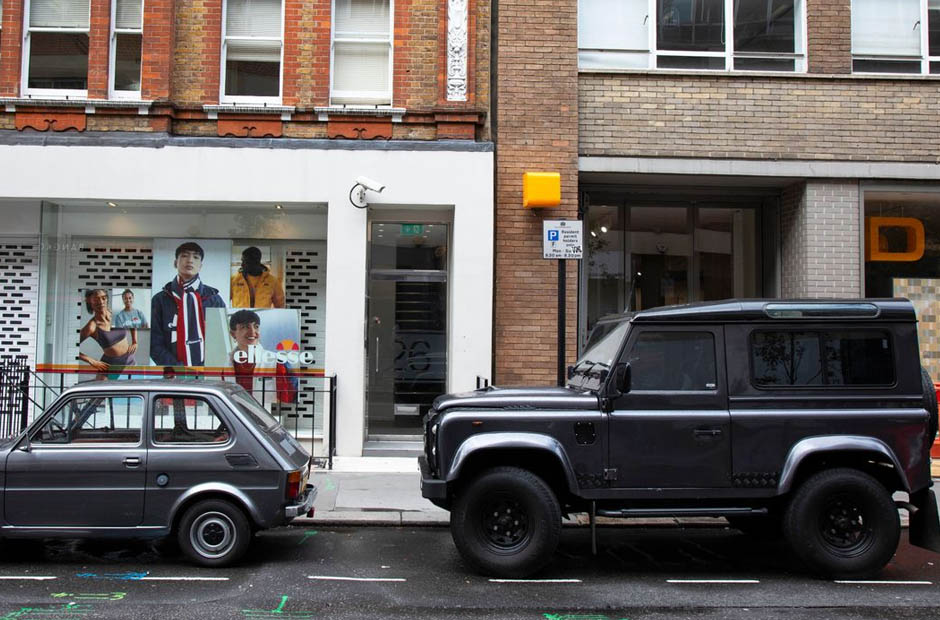
The landscape of modern roadways has undergone a massive transformation as cities expand and vehicle designs become increasingly powerful. For many decades, the focus of civil engineering was primarily on the speed and the efficiency of moving cars from one point to another. This car centric approach has created an environment that often feels hostile to anyone who is not behind the wheel of a motor vehicle.
Recent data shows a concerning rise in the number of incidents involving people who are simply trying to cross the street or walk to work. While vehicle safety for passengers has improved significantly due to advanced technology, the same cannot be said for those outside the car. The vulnerability of the human body becomes painfully clear when it comes into contact with several tons of fast moving steel and glass.
Pedestrian safety trends highlight growing dangers that require immediate attention from policy makers and local community leaders across the country. These patterns reveal that the risks are not distributed evenly and that certain design choices are making our streets much more lethal than they were in the past. Understanding these factors is the first step toward creating a much safer and more inclusive transportation network for everyone.
The Correlation Between SUV Popularity and Injury Severity
The shift in consumer preference toward larger sport utility vehicles and heavy pickup trucks has had a direct impact on the survival rates of people on foot. These vehicles are significantly taller and heavier than the standard sedans that used to dominate the American roads just twenty years ago. The physical force involved in a collision with a large truck is much more likely to result in a fatal outcome for the victim.
When a standard car hits a person, the point of impact is usually at the legs, which often throws the individual onto the hood of the vehicle. However, the high front end of an SUV strikes the person directly in the chest or the head area during a crash. This difference in impact geometry means that internal organs and the brain are much more likely to suffer catastrophic and life altering damage.
The added weight of these bigger cars also increases the distance required for a driver to come to a complete stop during an emergency. Even a few extra feet of braking distance can be the difference between a minor scare and a tragic event on a busy city street. The trend toward larger personal vehicles represents a growing challenge for those who value the safety and the walkability of their local neighborhoods.
How Street Engineering Prioritizes Vehicle Speed
Many modern streets were designed using a set of rules that prioritized the volume of traffic over the safety of the people living nearby. Wide lanes and long stretches of straight pavement encourage drivers to travel much faster than the posted speed limits would suggest is safe. This engineering philosophy treats the neighborhood like a highway rather than a shared space for a diverse community of users.
Crossing a multi lane road becomes a dangerous gauntlet for seniors and children who may move more slowly than the timing of the traffic lights allows. Long distances between protected crosswalks often force people to take risks by darting across several lanes of high speed traffic just to reach a bus stop. These design failures create a predictable pattern of accidents that could be avoided with better and more human centered planning.
Speed remains the single most important factor in determining whether a person survives a collision with a motor vehicle in an urban area. As the velocity of the car increases, the field of vision for the driver narrows and the time to react to a sudden movement disappears. Prioritizing the rapid movement of cars over the lives of people is a choice that has led to a significant increase in roadside fatalities.
The Role of Technology and Distracted Driving
The rise of the smartphone has introduced a new and deadly level of distraction for both the people behind the wheel and those walking on the sidewalk. Drivers often find themselves looking at screens rather than the road, leading to a significant decrease in their situational awareness during a trip. Even a few seconds of distraction can result in a car veering off its path and into a group of people.
Technology within the vehicle has also become much more complex, with large touchscreens and infotainment systems demanding constant attention from the operator. These features provide a lot of convenience but they also take the eyes and the mind away from the task of safe driving. The result is a more dangerous environment where the risk of a high speed collision is constantly present for the whole city.
People on foot are also increasingly distracted by their own devices as they navigate the busy streets of a modern metropolitan area. Wearing headphones or looking at a map can prevent a person from hearing an approaching car or noticing a change in the traffic signal. This dual layer of distraction creates a perfect storm of risk that contributes to the rising numbers seen in the recent national safety reports.
Poor Lighting and Lack of Sidewalk Infrastructure
In many expanding suburban areas, the infrastructure for walking has simply not kept pace with the rapid development of new housing and retail centers. It is common to see sidewalks that abruptly end or paths that are so narrow they are impossible to navigate with a stroller or a wheelchair. This lack of a continuous and safe path forces people to walk in the grass or directly in the street.
Visibility is a major factor in evening safety, yet many busy roads lack the consistent and bright lighting needed to see a person in a crosswalk. Most fatal incidents involving people on foot occur during the hours after sunset when the darkness makes it much harder for a driver to react. Improving the illumination of key intersections is one of the most cost effective ways to save lives in a local community.
Suburban blocks are often much longer than those found in older city centers, which discourages walking and increases the speed of the passing cars. Without regular places to stop or cross safely, the environment becomes a barrier to the healthy and active lifestyle that many people desire today. Addressing these physical gaps in the landscape is essential for the long term health and the safety of the entire population.
Conclusion
Summarizing the current risks shows that the increase in fatalities is the result of a coordinated set of choices in vehicle design and urban engineering. It is a complex problem that requires a multifaceted solution involving better technology, improved infrastructure, and a shift in public policy. Protecting the most vulnerable users of the road should be the top priority for every modern transportation agency.
Comprehensive policy changes are needed to ensure that our streets are built for people rather than just for the efficient movement of motor vehicles. This includes lowering speed limits in residential areas and investing in the construction of protected bike lanes and wider sidewalks for everyone. We must choose to value the lives of our neighbors over the convenience of a slightly faster commute to the office.
The future of our cities depends on our ability to create an environment where everyone can move safely regardless of how they choose to travel. By addressing the trends that are making our roads more dangerous, we can build a community that is much more inclusive and resilient for the next generation. High standards in safety lead to a future that is stable and secure for every person on foot.