A storm can leave your home looking “mostly fine,” but that’s not always the full story. Damage may show up in quiet ways, like water that sneaked into a wall, a roof edge that loosened in the wind, or an outlet that started acting strange. Many homeowners also feel rushed after a storm because life still has to move forward. You may need to get kids to school, go to work, or deal with a pile of calls and messages. The problem is that ignoring small warning signs can lead to bigger repairs later. The good news is you don’t need to panic. You just need a smart plan. Let’s start with the safest first steps.
1) Do a quick walk-around check
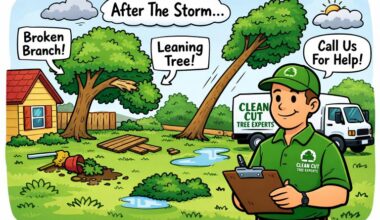
Once it feels safe, do a slow walk around your home and property. This isn’t the moment to focus on small details. You’re looking for big changes that could cause more damage if ignored. Check the roofline from the ground and look for missing shingles, pieces hanging off, or dark spots that weren’t there before. Scan the siding for panels that shifted or lifted. Look at gutters and downspouts to see if they pulled away or bent under debris. Walk around trees and fences too. A tree that now leans toward your home matters, even if it hasn’t fallen. If you see cracked windows or damaged doors, treat them as urgent. If the damage feels overwhelming or time-sensitive, companies like RestorePro Disaster Cleanup & Restoration can help assess storm-related issues and move quickly to protect the property from further damage.
2) Watch for electrical warning signs
Storms and electricity don’t mix well, especially if water has entered areas near wiring. Inside your home, pay attention to anything that feels “off.” Flickering lights, outlets that smell strange, or breakers that keep tripping can signal a serious issue. If you see water near outlets, extension cords, or appliances, avoid that area and do not touch anything plugged in. You should also listen for buzzing sounds from walls or electrical panels. If you suspect electrical damage, it’s safer to shut off power at the main breaker and call a licensed electrician. Don’t test switches to “see if they work.” After a storm, caution beats curiosity.
3) Check the roof without climbing it
A damaged roof can let water in fast, and even a small leak can spread into ceilings, insulation, and walls. But after a storm, climbing onto the roof can be dangerous. Wet shingles, loose debris, and hidden weak spots increase the risk of falling. Instead, inspect from the ground and from inside. Outside, look for missing shingles, lifted edges, bent flashing, or branches resting on the roof. Inside, check your attic if you can access it safely. Look for damp insulation, water stains, or a musty smell. Also check ceilings for new discoloration or soft spots. If anything looks suspicious, schedule a professional inspection before the next rainfall makes it worse.
4) Catch water damage before it spreads
Water intrusion doesn’t always look dramatic. Sometimes it starts as a faint stain, a slightly swollen baseboard, or a patch of paint that looks bubbled. After a storm, walk through your home and check the areas most likely to take on water, like windows, exterior doors, basements, and rooms under the roofline. Feel along the edges of the carpet and look near vents and corners where moisture can collect. If your floors feel warped or spongy, water may have moved underneath. Pay attention to smells too. A damp or musty odor can show up before you see visible damage. If you spot signs of water, act quickly and bring in professionals.
5) Treat standing water like a real hazard
If you find standing water in your home, don’t assume it’s safe just because it looks shallow. Water can hide sharp debris, damage the flooring underneath, and create slip risks right away. It can also become dangerous if it reaches outlets, cords, or appliances. Avoid walking into flooded areas until you’ve checked for electrical concerns and turned off power if needed. If water came from outside, it may carry dirt and other contaminants, especially after heavy rain. Even clean-looking water can soak into drywall, insulation, and wood within hours. The longer it sits, the harder it becomes to fully dry out the space. The safest move is to limit contact and get professional help quickly.
6) Notice small signs of structural stress
Not all storm damage looks dramatic. Sometimes the warning signs show up indoors as small changes that feel “new.” Walk through your home and look at the walls and ceilings in good lighting. Fresh cracks, especially near door frames and windows, may signal movement from wind or water pressure. Check doors that suddenly won’t shut right, or floors that feel uneven or soft underfoot. These changes don’t always mean major damage, but they should never be ignored. Also look at your basement walls for new damp patches or discoloration. If you see sagging drywall or spots that feel squishy, moisture may be trapped behind it. When structural concerns come up, an inspection is the smart next step.
A storm can disrupt your home in ways you don’t notice at first. That’s why the safest approach is calm, careful, and focused. Start by protecting yourself and your family, then check the areas that storms commonly affect, like the roof, electrical system, windows, and any spaces where water could enter. Pay attention to warning signs indoors too, such as odd smells, new cracks, or soft spots in walls and floors. When something feels unsafe or unclear, don’t guess. Get the right professionals involved early so damage doesn’t grow quietly in the background. Taking smart steps right after a storm helps you protect your home, avoid bigger repairs, and feel confident that your space is safe again.