What Sets a Reliable Demolition Service Apart
Removing a mobile home is more than breaking apart walls. It is logistics, safety, and careful sequencing. The right crew turns a hectic worksite into a choreographed effort where inspections, utility shutoffs, and debris handling move like gears in a clock. Choosing a seasoned service reduces stress, saves time, and protects your property. Every decision, from the first walk through to waste disposal, affects cost, timeline, and safety. With a thoughtful selection, you gain clarity and peace of mind while the job proceeds with accountability.
Experience That Translates Into Fewer Surprises
Experience is the first lens to look through. Contractors with a deep portfolio have already handled tight access sites, poor soil conditions, storm damage, and older structures with unknown quirks. They understand how the home is framed, where fasteners hide, and how utilities were likely routed. That knowledge shortens the learning curve and cuts the risk of mid project surprises.
A seasoned team will explain the sequence in plain language. They will talk about utility disconnects, securing permits, staging equipment, dismantling or mechanical teardown, load out, and site preparation. They can also advise on material recovery, local disposal rules, and recycling opportunities. Ask for examples of similar jobs and how they handled setbacks. A track record of finishing on time and on budget is a strong predictor of your outcome.
Safety First, Then Everything Else
Safety is not a checkbox. It is the scaffold that holds the entire job together. Look for clear, written safety plans that outline how the crew will control the site, separate work zones, and protect nearby structures and landscaping. Workers should be trained to recognize and handle hazards such as sharp metal, heavy components, electrical service lines, and hazardous materials. Proper protective gear and disciplined procedures are non negotiable.
Strong safety practices show up in the details. Crews conduct pre shift briefings, confirm utility shutoffs, and use spotters during heavy lifts. They inspect fall risks and keep walkways clear. They use the right attachments for controlled dismantling rather than brute force that can cause collateral damage. Good teams also perform step by step checks during critical operations so minor issues do not become costly incidents. Compliance with local and national safety codes is the baseline, not the ceiling.
Licenses, Permits, and Straightforward Compliance
Demolition touches multiple regulations. A dependable provider holds the proper licenses for demolition work in your jurisdiction. They obtain required permits and schedule inspections where necessary. If the project involves traffic control, road use, or special hauling, they manage those approvals as well.
Compliance protects the land, the workers, and you. It also prevents fines and stop work orders that can derail your schedule. A professional will explain which permits are needed, who will apply, and how long approvals typically take. They respect environmental standards tied to stormwater, dust control, and waste transport. When a company speaks clearly about rules and responsibilities, it signals a culture that values transparency and quality.
Equipment That Fits the Job
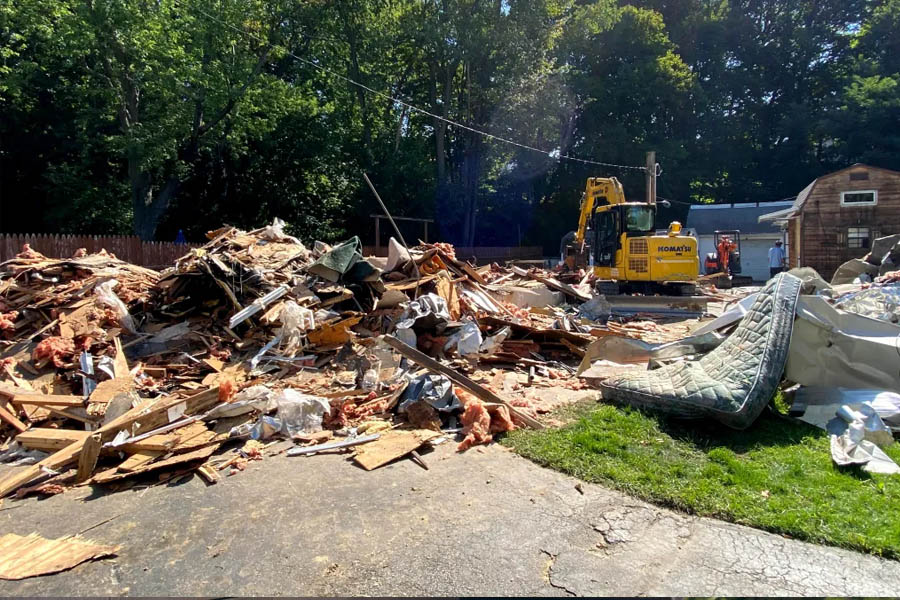
The right tools make demolition faster and safer. Look for crews that bring well maintained machines sized for your site and home. Compact excavators with thumbs, skid steers, and precise cutting equipment allow controlled dismantling rather than chaotic smashing. Updated tools cut through fasteners and framing cleanly, which reduces flying debris and noise.
Reliable equipment reduces the chance of breakdowns that stall progress. Ask about maintenance practices and backup plans if a machine goes down. Properly matched attachments, from shears to grapples, help separate materials at the source, which speeds up recycling and keeps the site tidy. Effective transport gear and roll off containers keep debris flowing out so the work area remains clear and efficient.
Waste Handling With Care for the Planet
Demolition generates a mix of materials. How a contractor handles that stream says a lot about their professionalism. Responsible services separate metals, clean wood, and concrete for recycling. They move unrecyclable material to approved facilities and do not leave unsafe debris on your property. When refrigerants, old appliances, or tanks are present, they follow protocols for recovery and disposal.
Reputable contractors coordinate asbestos and lead paint assessments and remediation with qualified specialists. Transport and disposal are documented for project compliance. Waste isn’t ignored. It was planned from the start. When the last load leaves, you want a clean, level, buildable space.
Honest Pricing Without Guesswork
Clear pricing is a hallmark of a trustworthy provider. Request a detailed estimate that explains labor, equipment, hauling, tipping fees, permits, and any site restoration. The proposal should spell out what is included, what is excluded, and how change orders will be handled. If salvage credits or recycling rebates apply, those should be defined rather than hinted at.
Transparent pricing reduces friction as the job progresses. It helps you compare competing offers on equal footing. It also sets expectations about potential unknowns, such as hidden concrete pads, buried utilities, or hazardous materials discovered after work begins. A contractor that communicates costs plainly is more likely to communicate schedule and progress with the same clarity.
Predictable Timelines and Clear Communication
Timelines show how well a team plans and manages work. A reliable service will present a schedule that outlines key milestones. These typically include permit procurement, utility disconnects, mobilization, demolition, debris removal, backfill, and rough grading. They will identify dependency points and weather contingencies, then offer regular updates as the job moves forward.
Finishing on time often depends on preparation. Skilled crews stage containers in advance, sequence equipment efficiently, and confirm that approvals are in hand before mobilizing. They coordinate with neighbors when needed and keep access routes open. When a company respects dates and communicates delays early, it respects your budget and your goals.
FAQ
How long does a mobile home demolition typically take?
Once permits and utility disconnects are complete, the physical demolition and debris removal usually take one to three working days for a single wide or double wide. Add lead time for permitting, scheduling, and any required hazardous material surveys. Complex sites or limited access can extend the duration.
What factors influence the total cost?
Price is shaped by size and type of home, foundation removal needs, site access, distance to disposal or recycling facilities, local tipping fees, permit costs, and the presence of hazardous materials. Scope items such as utility disconnect coordination, grading, or importing fill will also affect the final number. A detailed, itemized quote makes these drivers visible.
Do I need to secure permits myself?
Most reputable demolition contractors handle permit applications as part of their service and may build those fees into the proposal. Homeowners remain responsible for compliance, so verify in writing who is obtaining each permit and scheduling required inspections. Clear roles prevent delays.
What happens to utilities before demolition begins?
Demolition requires carefully disconnecting and capping all utilities. Electricity, gas, water, sewer, septic, and communications lines. To confirm shutoffs, contractors work with utilities and municipal governments. Before starting work, get written confirmations or lockout tags.
Can parts of the home be salvaged or deconstructed instead of fully demolished?
In many cases, yes. Appliances, metal, reusable fixtures, and certain structural elements can be salvaged. Deconstruction that prioritizes reuse may lower disposal costs and reduce environmental impact, though it can take longer. Discuss goals, timelines, and potential salvage credits with your contractor during the estimating phase.
Will the contractor remove the foundation and grade the site?
That depends on the scope you approve. Some projects include only superstructure removal, while others include pier or slab removal, backfilling, compaction, and rough grading. If you need a build ready pad, ask for these tasks to be included in the proposal with specific finish elevations and soil requirements.
How are hazardous materials like asbestos or lead handled if they are present?
If a survey identifies regulated materials, abatement must be performed by licensed specialists following local and national rules. Your demolition contractor should coordinate that work, adjust the schedule to accommodate it, and provide documentation of legal disposal. Costs and timelines will reflect the added safety measures and compliance steps.