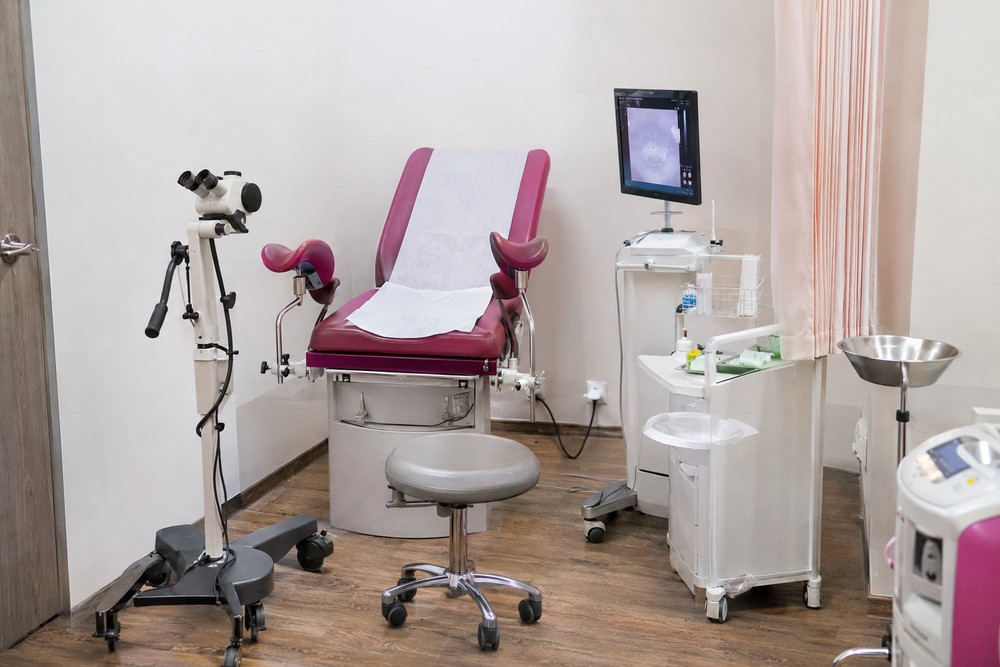
Receiving an abnormal cervical smear or an unexpected high-risk viral notification feels a lot like finding an unhandled exception in core system logs. Your immediate reaction might be to panic or assume an aggressive surgical intervention is required tomorrow, but reacting without a full diagnostic roadmap creates unnecessary physical and emotional stress.
Protecting your long-term reproductive health requires identifying precise cellular changes rather than relying on outdated screening habits. If you are researching specialised clinical pathways for cervical cancer in Malaysia specialists offer, reviewing how high-risk viral testing, colposcopy biopsies, and staging scans work together gives you an objective baseline for your decisions. Setting up a structured diagnostic pathway early on protects your fertility options while stopping abnormal cell growth before it progresses.
The Biology of Persistent Viral Dysplasia
Cervical tissue changes do not turn into an invasive condition overnight. In almost all cases, the initial driver is prolonged cellular infection with high-risk human papillomavirus genotypes, particularly types sixteen and eighteen.
In healthy immune systems, the body clears most viral exposures naturally within twelve to twenty-four months. However, when high-risk viral DNA integrates into the basal cervical epithelial cells, it disrupts tumour suppressor genes. This leads to cervical intraepithelial neoplasia, where abnormal cells gradually populate the surface lining over five to ten years before breaching the basement membrane into deeper stromal layers.
Cytology Smears versus Viral DNA Testing
Standard wellness guides often recommend booking an annual Pap smear as the primary defence against cervical disease. The non-obvious trade-off is that traditional cytology relies on visual microscopic inspection of scraped cells, carrying a false-negative rate between thirty and forty per cent for early dysplasia.
Choosing primary high-risk HPV DNA testing trades a familiar routine for vastly superior analytical sensitivity. Rather than waiting for cells to visibly morph under a microscope, DNA tests detect the presence of oncogenic viral genetic material directly. While a positive viral test requires an additional reflex cytology triage, testing negative for high-risk HPV provides a ninety-nine per cent safety window, allowing you to stretch your screening intervals safely to five years without missing silent cellular shifts.
The Waiting for Symptoms Mistake
The most common and expensive mistake women make is delaying screening until visible physical symptoms appear. People fall into this trap because they assume that serious gynaecological issues always present with pelvic pain, foul discharge, or unusual bleeding.
In reality, precancerous cervical dysplasia and very early invasive micro-lesions are completely silent and cause zero physical pain. Symptoms like post-coital spotting or irregular intermenstrual bleeding typically emerge only after a lesion has ulcerated or grown outward into vascular tissue. Waiting for symptoms transforms a simple outpatient clinic procedure into complex multimodality treatment.
Calculating Real Three Year Care Economics
Let us examine a concrete worked example comparing early outpatient intervention against delayed emergency oncology management over thirty-six months. Consider an individual who attends regular molecular screening and detects high-grade dysplasia at the precancerous stage.
Undergoing an image-guided colposcopy and a loop electrosurgical excision procedure costs 3,800 ringgit total in an outpatient setting, curing the condition with zero hospital bed stays. In contrast, skipping screening until an invasive stage two lesion emerges forces concurrent platinum-based chemotherapy, external beam radiotherapy, and specialised brachytherapy, costing 48,000 ringgit across twelve months of intensive medical care. Sourcing early diagnostic screening saves 44,200 ringgit while completely preserving normal anatomy and physical stamina.
Core Daily Habits for Immune Defence
Supporting your body’s natural cellular defences against persistent viral integration requires establishing simple, repeatable operational habits in your personal health routine. Keeping your mucosal immune barrier robust gives your body the best opportunity to clear viral particles.
Keep these practical operational habits in mind:
- Complete the full HPV vaccination course: Receive the nonavalent vaccine if eligible to protect against the nine most prevalent oncogenic viral strains.
- Maintain strict smoking cessation: Avoid cigarette smoke, as nicotine by-products concentrate in cervical mucus and impair local dendritic immune cells.
- Track annual gynaecological review dates: Set a recurring calendar reminder every three to five years to ensure screening tests never lapse.
A Clear Decision Rule for Colposcopy
You do not need a medical degree to know when an abnormal screening result requires deeper examination. You can apply a straightforward decision rule called the genotype referral threshold before making your next appointment.
If your screening result confirms high-risk HPV genotypes sixteen or eighteen, or if reflex cytology reveals high-grade squamous intraepithelial lesions, mandate an immediate colposcopy and biopsy within four weeks, regardless of whether you feel healthy. If your test detects non-sixteen or non-eighteen high-risk strains with completely normal cellular cytology, an immediate biopsy is unnecessary; simply repeat co-testing in twelve months to check whether your immune system clears the viral load naturally.
Navigating your gynaecological health is ultimately about building a calm, evidence-based routine that catches microscopic changes long before they threaten your daily life. By avoiding the trap of waiting for symptoms, understanding the diagnostic power of molecular viral testing, and following clear colposcopy referral rules, you protect both your physical vitality and your finances. Approach your reproductive health with clear strategy, rely on verified medical facts, and move forward with quiet confidence in your personal care decisions.