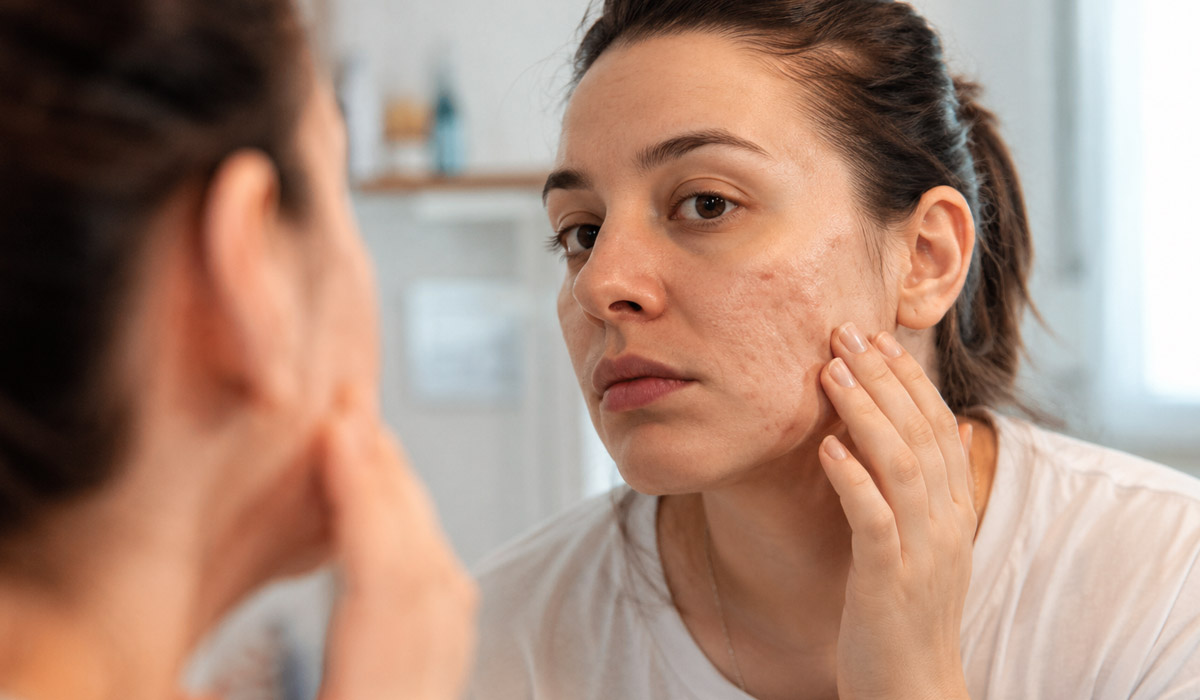
Someone applying makeup before heading out might spend a few extra minutes each morning working to cover the same textured patches on their cheeks, a routine that has quietly become second nature over the years. It started as a temporary fix after a breakout cleared up, but somewhere along the way it turned into a permanent part of the daily routine.
Left alone long enough, this can start to feel like something that will simply always be there, rather than something that could actually change. Avoiding certain lighting, feeling less confident going without makeup, or assuming the window for treatment has already passed since the scarring happened years ago. It is reasonable to feel resigned to this after a long time, even though that assumption is not always accurate.
Understanding what actually happens to scarred skin over time, and what options remain available, tends to make the situation feel less permanent than it first seems. Anyone considering acne scar removal in Singapore benefits from knowing that scars can often still be improved significantly, even years after the original breakouts occurred.
What Happens to Untreated Scars Over Time
Scar Tissue Becoming More Set Into the Skin
In the months following a breakout, scar tissue is still relatively active and can respond more easily to certain treatments. Left untreated for years, this tissue tends to become more fixed and less responsive, which can mean treatment eventually requires more sessions to achieve a similar level of improvement compared to addressing it earlier.
Sun Exposure Deepening the Appearance of Discoloration
Someone with post acne pigmentation who does not consistently protect the area from sun exposure may notice the discoloration becoming more pronounced and harder to fade over time. Years of unprotected sun exposure layered on top of existing scarring can make the overall skin tone appear more uneven than the scarring alone would cause.
Continued Picking or Touching Making Texture Worse
It is common for someone to occasionally pick at textured areas, sometimes without fully realizing they are doing it, which can worsen the texture over time rather than improve it. This habit, repeated over years, can deepen certain types of scarring that might have remained more subtle with less physical interference.
Understanding Why Scars Feel Permanent but Often Are Not
Recognizing That Skin Continues Responding to Treatment Over Time
Even scars that have been present for many years typically still respond to treatment, since skin retains some capacity for renewal and repair throughout life. Someone who assumes too much time has passed for treatment to make a difference is often working from an outdated assumption, rather than the actual biological reality of how skin continues to change and heal.
Practical Steps Worth Taking
Getting an Updated Assessment Even After Years of Assuming Nothing Can Be Done
Someone who dismissed treatment years ago based on outdated information can benefit from a fresh assessment, since both understanding of scar treatment and the technology available have continued to advance. Revisiting this decision with current information often reveals more realistic options than were available or understood previously.
Protecting the Area From Further Sun Damage Starting Now
Regardless of how long scarring has been present, consistently applying sunscreen to the affected area can prevent further discoloration from developing on top of existing scars. Someone who starts this habit even years later tends to notice the overall appearance stabilizing rather than continuing to worsen.
A Clearer Way Forward
Getting an updated assessment despite years of assuming nothing could help, protecting the area from further sun damage, and understanding that skin continues responding to treatment over time all lead to the same outcome. A more accurate, more hopeful picture of what is actually still possible.
Acne scars left untreated do not necessarily become permanent beyond repair, and revisiting the decision to treat them, even years later, is usually far more worthwhile than continuing to assume the opportunity has already passed.