Importance of Sports Netting
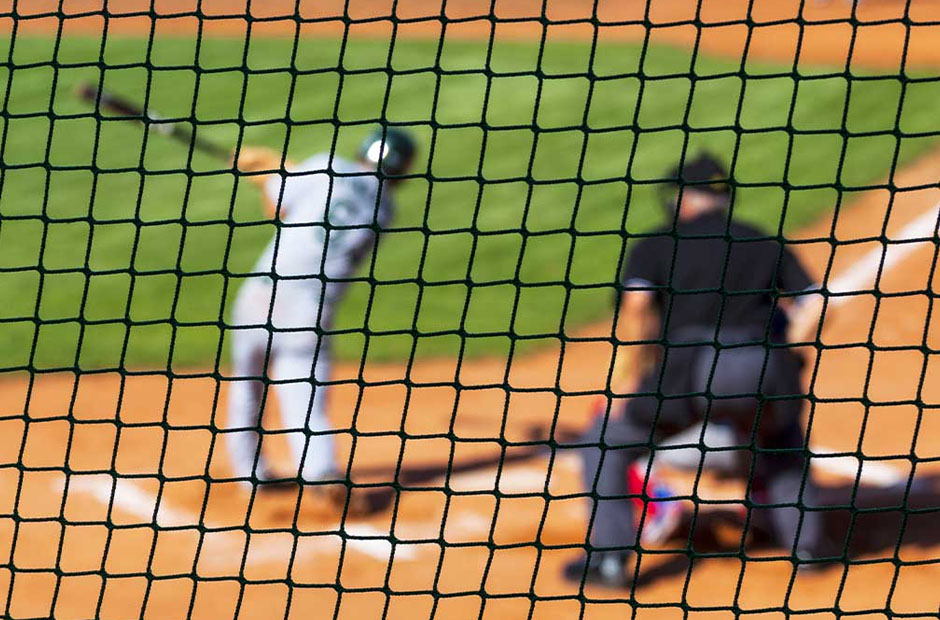
In the world of sports, the safety of fans, players, and the facility itself is always a primary concern. One of the most cost-effective and efficient solutions venues have embraced is sports netting. Protective netting creates a crucial safety buffer in stadiums and arenas, stopping stray balls or equipment from injuring spectators or causing property damage.
This invisible shield lets fans experience the excitement of live sporting events without unnecessary risks. Major sports leagues have recognized the impact of netting on reducing incidents. For example, extended netting at baseball parks has led to a significant drop in injuries related to foul balls. Attention to fan safety fosters a more inviting and enjoyable environment, which is essential for modern sports venues.
The benefits of protective netting extend beyond injury prevention. Facilities that invest in modern netting solutions demonstrate a commitment to responsible management and public welfare, enhancing their reputation and bolstering community trust. The ability to protect valuable infrastructure, personnel, and visitors from unpredictable occurrences has made netting a staple in both new and established venues.
With these advantages, netting has also been tailored for sport-specific needs, such as advanced golf netting systems that ensure safety on driving ranges and golf courses where high-velocity balls can pose unique hazards.
Another area where sports netting has played a transformative role is in youth and amateur sports facilities. As communities invest in recreation centers and school fields, the inclusion of professionally installed netting assures parents and organizers that young athletes can play, practice, and develop their skills with an added layer of security. This peace of mind not only supports athletic growth but also helps foster community engagement with local sporting events.
Sports netting is highly versatile, providing several essential functions across various facilities. Key uses include protecting spectators from out-of-play balls, containing balls to prevent property damage, installing divider nets for simultaneous activities, and protecting equipment from impacts. This netting is increasingly valued by facility managers for safety and maintenance of costly infrastructure, and regulatory organizations are beginning to mandate safety standards. Beyond sports fields and stadiums, netting is used in practice facilities, such as indoor batting cages and golf simulators, to facilitate high-speed training with reduced risk. Outdoor venues also use windscreen netting to enhance comfort and safety, while innovative applications, such as obstacle courses for extreme sports, highlight the adaptability of netting solutions.
Advancements in Netting Technology
Innovations in netting technology have enabled the maximization of both safety and the spectator experience. The development of thinner yet stronger fibers, such as Dyneema®, means that today’s netting can handle high impact without obstructing the view. These advancements have enabled stadiums to extend netting closer to the field, offering protection while keeping fans visually connected to the game.
Beyond fiber composition, improvements in net design and installation have increased customization options. Facilities can now select netting solutions based on their unique layout, sport type, and anticipated threat level. Additionally, weather-resistant coatings and UV protection have lengthened the lifespan of nets. This reduces maintenance costs and ensures reliable performance throughout varying weather conditions. To understand more about the science behind advancements in sports netting, resources such as ESPN’s extended netting guide offer in-depth industry insights.
Technological integration is now enhancing the management of sports netting. Some facilities utilize smart netting systems embedded with sensors that track impact location and frequency, offering valuable data for maintenance planning and facility safety assessments. This merging of digital innovation with traditional netting materials represents a forward-thinking evolution that prepares sports venues for the future. As demands for both transparency and efficiency grow, digital monitoring of netting systems may soon become the norm in facilities committed to excellence.
Case Studies of Netting Implementation
Real-world implementations of netting solutions at various venues demonstrate their significant value and practicality. At Nationals Park, the Washington Nationals opted to extend protective netting to the foul poles, a move initially met with mixed reactions from fans but ultimately received a positive response due to enhanced safety. Similarly, at Dow Diamond, home of the Great Lakes Loons, netting over the bullpens was installed to meet evolving league safety standards and create a secure environment for attendees. These successful examples have encouraged other teams to reassess their safety measures, leading to a broader adoption of netting systems across all levels of sports, from community leagues to professional franchises.
On an international scale, major tournaments and training academies have recognized the advantages of comprehensive netting installations. Cricket stadiums in the UK and Australia have adopted multi-tiered netting to keep balls from entering stands while ensuring an unobstructed view for fans. In tennis, academies and Olympic training facilities have installed movable and retractable net partitions to accommodate a range of activities and large events. As sports continue to globalize, the applications of netting expand to meet differing cultural and structural requirements in venues worldwide.
Conclusion
The role of protective netting in sports facilities has expanded rapidly in recent years. Whether ensuring safer viewing for spectators, shielding precious equipment, or enabling greater versatility within multi-purpose complexes, sports netting is now an indispensable component of facility management. As technology progresses and safety standards continue to evolve, it is likely that innovative netting systems will remain central to creating secure, enjoyable environments for athletes and fans alike.
Looking ahead, the future of sports netting points toward greater customization and increased integration with digital facility management systems. As the expectations of fans, athletes, and safety regulators continue to rise, facility designers and operators will be challenged to create solutions that are effective, aesthetically pleasing, and environmentally responsible. The next generation of netting will not only protect but may also play a role in analytics, crowd management, and sustainability efforts. With its demonstrated record of success and continual innovation, sports netting will remain a critical player in the evolution of sports facility design and operation.