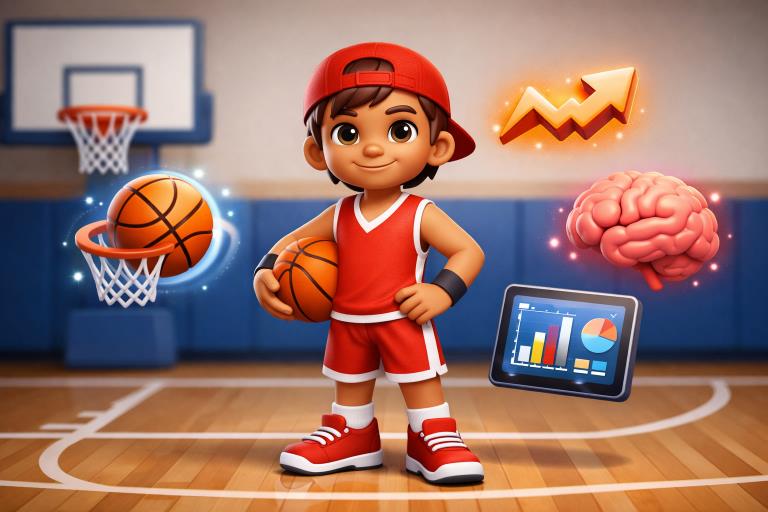
Key Takeaways
- Advanced training enhances technical abilities, game intelligence, and physical fitness.
- Utilizing technology and creative practice methods can greatly accelerate a player’s growth.
- Structured and progressive programs support continuous development for young athletes.
Advanced skill training provides a clear pathway for young basketball athletes to refine their game, focusing on specialized techniques, strategic play, and modern approaches to practice. By prioritizing areas such as precise shooting, intelligent game decisions, and superior conditioning, players not only improve their individual performance but also contribute to team effectiveness. Modern high school basketball training is more accessible and impactful than ever, helping dedicated players stand out in competitive environments.
Today’s advanced programs go beyond traditional drills. They introduce innovative practices that challenge a player’s mental and physical limits. Whether you’re seeking more accurate shooting or agile footwork, targeted training unlocks a player’s highest potential and lays the foundation for sustained improvement.
The integration of digital tools in youth basketball has also changed the way skills are honed, offering data-driven feedback that was once reserved for elite professionals. This combination of old-school fundamentals and new-age technology is key to developing well-rounded and resilient young athletes.
Researchers and coaches now recognize the vital connection between a structured training curriculum and long-term progression. As players advance, their experience with diverse drills and tactics shapes not just their skills, but also their court awareness and strategic mindset.
Enhancing Technical Skills for Game Success
Targeted skill development is fundamental for young basketball players aiming to maximize their game-day impact. Sessions that focus on sharpening the basics, such as shooting technique, ball handling, and passing accuracy, provide the groundwork for advanced play. Recent studies, like those featured in Frontiers in Psychology, reveal that differential training methods dramatically boost shooting precision and reliability in youth athletes.
These sessions often use progressions that challenge players with game-like scenarios, helping them solidify fundamental skills under pressure. Consistent, focused repetitions ensure that technical movements become second nature during actual games.
Building Cognitive Skills and Fast Decision-Making
Basketball is as much a mental game as it is a physical one. Advanced training incorporates drills that promote quick thinking, pattern recognition, and tactical decision-making. Game simulations, small-sided games, and situational scrimmages force players to process information rapidly and react effectively. This mental training readies athletes for the chaotic nature of competitive play, allowing them to keep up with the increasing speed and complexity as they progress through higher levels.
By integrating decision-making challenges into regular practice, coaches help young players become adaptable, resilient, and confident under pressure.
Physical Conditioning and Injury Prevention
Demanding sports such as basketball require players to be in peak physical condition. Advanced programs emphasize strength and conditioning tailored specifically for the unique movements of basketball, including lateral speed, vertical explosiveness, and endurance. Training with a focus on movement quality and injury prevention helps young athletes prepare for the challenges of the game and reduces their risk of common injuries.
These routines include core stabilization, plyometrics, flexibility work, and recovery strategies, all of which contribute to long-term athletic health and peak performance.
Integrating Technology into Training
The digital revolution in sports has brought about tools like virtual trainers, wearable trackers, and real-time analytics platforms. Facilities around the country are leveraging Shoot 360 systems, which provide immersive drills with immediate feedback on shooting, ball handling, and passing. These innovations empower young players to better understand their strengths and address weaknesses efficiently.
As technology becomes increasingly prevalent in training centers, players can take ownership of their improvement by tracking progress with high accuracy, making sessions more engaging and productive.
Structured and Progressive Training Programs
Growth in basketball depends on a logical, step-by-step approach to mastering skills. National organizations, such as those guided by the USA Basketball Coaching Guidebook, recommend that athletes move through structured levels, building competence before tackling more advanced concepts. This ensures that players not only develop core techniques but also assimilate the tactical and mental aspects critical for on-court success.
Organized progression offers clarity and motivates commitment, offering young athletes and their guardians a transparent view of developmental milestones.
Innovative and Unconventional Training Methods
To prevent training monotony and to foster athletic versatility, some advanced programs incorporate activities outside of regular basketball practice. For instance, parkour-inspired exercises and agility-focused circuits have proven valuable for developing balance and spatial awareness. Experts in exercise science observe that such varied training methods can enhance overall athletic ability, promote injury resilience, and keep young players motivated.
By diversifying training routines, athletes cultivate transferable skills that benefit them well beyond a basketball court.
Tracking Progress and Setting Performance Goals
Regular assessment is a cornerstone of effective player development. By establishing clear, attainable goals and using digital monitoring tools, coaches can help athletes make measurable gains in performance. Technologies like smart basketballs offer instantaneous shooting analytics and can produce up to a 25 percent improvement over a season, as reported by recent product studies.
Documenting development ensures accountability for athletes and helps maintain motivation as they see tangible evidence of their hard-earned progress.
In summary, advanced skill training for young basketball players involves an all-encompassing commitment to technical, cognitive, and physical excellence. With structured support, technological enhancements, and creative practice methods, players are better equipped to excel individually and contribute to collective team accomplishments.