Night driving poses unique hazards that impact not only safety but also how fault and liability are determined after an accident. When visibility is reduced, the likelihood of errors and misjudgments increases, complicating legal accountability. If you or someone you know has been involved in a nighttime crash, consulting a knowledgeable Houston nighttime accident lawyer can make a significant difference in understanding your legal rights and pursuing fair compensation.
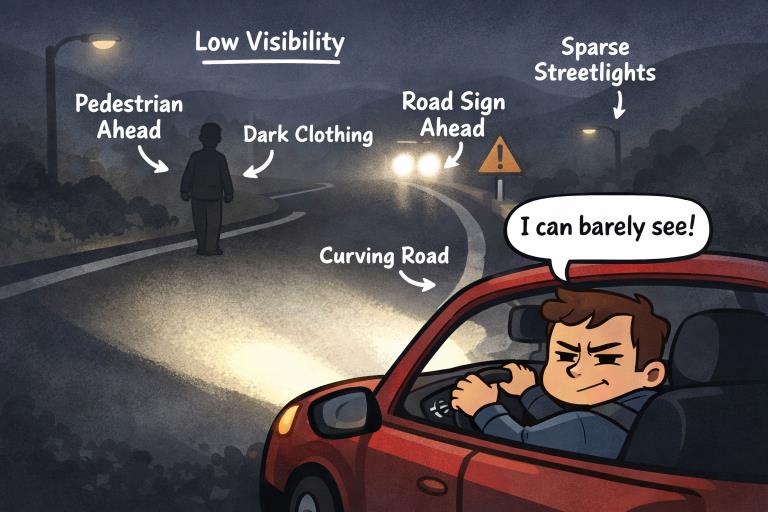
Low visibility after dusk often means drivers must react more quickly to sudden obstacles and adapt to changing road conditions. Common dangers such as glare from headlights, poorly lit streets, and unpredictable behaviors of other road users heighten the risks. Since impaired visibility contributes to many nighttime collisions, understanding its effect on liability can help you better prepare and protect yourself.
Why Night Driving Is More Dangerous
Night driving reduces light, impairing perception, peripheral vision, and reactions. The National Safety Council states traffic deaths are three times as high at night. Factors such as fatigue, poor lighting, glare, and driving under the influence increase the risk. Merging onto highways or spotting pedestrians becomes harder with limited visibility. Urban streetlights are often insufficient, making hazards like potholes, animals, or disabled vehicles harder to see, reducing reaction time. Night visibility loss can increase stress and anxiety, leading to poor decisions or slow responses, even for experienced drivers. Weather conditions like rain, fog, or mist further decrease visibility, creating glare or blurring reflections, making drivers more prone to overlook details or misjudge movements.
How Visibility Affects Accident Liability
Liability in nighttime accidents depends on whether drivers exercised reasonable caution given the conditions. Reduced visibility requires extra vigilance. Failing to use headlights, driving too fast, or neglecting to keep windshields clean can increase liability. Insurance adjusters and lawyers assess if drivers took reasonable safety steps. For example, if you hit a vehicle with broken taillights, the other driver may be more responsible. Conversely, if you struck a cyclist because you were speeding and failed to see them, even if they wore dark clothing, you might still bear significant liability. National Highway Traffic Safety Administration guidelines emphasize that failing to adjust your driving for reduced visibility can count as negligence. Visibility conditions can also affect the interpretation of infrastructure responsibility. For example, if faulty or inadequate road lighting contributed to the crash, the entity responsible for road maintenance might be found partially liable, particularly if previous complaints or incidents had been reported. This introduces complexity in determining negligence, making it even more important for all parties to document their actions and the scene carefully.
Proving Fault When Visibility Is Limited
Night accident investigations depend on evidence showing unreasonable behavior by one or both parties, including police reports, witness statements, dashcam footage, and physical factors like headlight and brake light conditions. Experts often assess proper lighting, visible road markings, and visibility challenges, using testimony on lighting and road design to clarify safe driving. Advances in technology, such as high-resolution dashcams and data recorders, capture details that help establish timing or visibility. Eyewitnesses may be unreliable in low light, making physical evidence vital. Medical records or photos showing injuries aligned with the accident help link visibility issues to harm.
Common Types of Night Driving Accidents
- Rear-End Collisions:Often caused by failing to see a stopped or slowing vehicle ahead due to insufficient headlight range.
- Pedestrian Accidents:Dark clothing and poorly lit crosswalks increase risks for both walkers and drivers.
- Intersection Crashes:Limited visibility makes it harder to judge distances or spot signal changes.
- Wrong-Way Accidents:Confusing signage or unclear lane markings are more treacherous at night.
Another dangerous scenario unique to nighttime driving is the increased likelihood of single-vehicle accidents, such as running off roadways or hitting stationary objects. This often happens when drivers miss sharp turns, cannot see roadside hazards in time, or become distracted by oncoming headlight glare. Drivers who routinely travel after dark should be aware that animal crossings, especially in rural or suburban areas, tend to spike during certain nighttime hours, making vigilance even more essential. The risks also rise in areas with nightlife activity, where intoxicated individuals may behave unpredictably—either as drivers or pedestrians.
Tips for Reducing Night Driving Risks
To enhance nighttime driving safety, always use clean, well-aimed headlights, reduce speed in dimly lit or unfamiliar areas, and remain alert for erratic drivers after midnight. It’s crucial to increase following distances to accommodate slower reaction times and watch for pedestrians, cyclists, and animals near unlit curves. Regular maintenance checks on windshields, mirrors, and vehicle lights are essential. Distractions should be minimized, and drowsy or impaired driving must be avoided. Planning routes to avoid poorly lit or high-crash areas, traveling during safer hours, and taking breaks can further mitigate fatigue. Encouraging passengers to assist with hazard vigilance during low visibility enhances safety, and drivers with vision issues should consider yearly eye exams and anti-glare lenses to improve night driving clarity. Proactive measures are key to preventing accidents and fortifying a case in the event of one.
Legal Options and Next Steps
In a nighttime accident, thoroughly document the scene, gather witness contact information, and notify law enforcement and your insurer with truthful details and evidence, such as photos or videos. Seek legal advice if liability is disputed or injuries happen. Understanding the impact of limited visibility on liability aids safer decisions and protects interests. For more on nighttime safety and stats, see organizations like Consumer Reports. Remember, each accident is unique; recording details and consulting professionals before and after collisions are vital for safety and legal protection. Night driving is riskier, but awareness and support can reduce dangers and protect your rights post-incident.
Conclusion
Night driving poses greater risks, requiring awareness, caution, and responsibility. Reduced visibility, fatigue, and environmental factors make hazard detection more difficult, increasing the likelihood of accidents and the complexity of liability. Drivers should adjust by slowing down, maintaining visibility, and staying alert to meet reasonable care standards. In accidents, strong evidence and documentation are vital to prove fault amid limited visibility. Safe habits, vehicle maintenance, and legal awareness reduce risks. Staying proactive protects safety and rights during nighttime incidents.