Key Takeaways
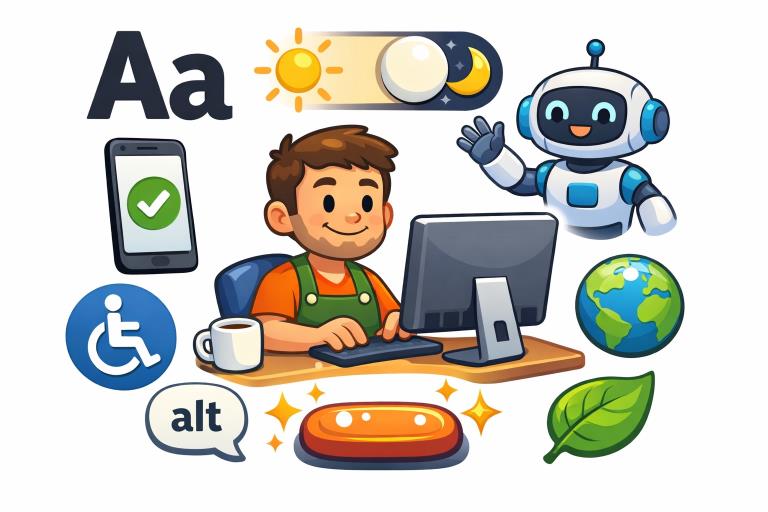
- Minimalist designs with bold typography enhance clarity and user focus.
- Mobile-first approaches ensure seamless experiences across all devices.
- Integrating AI and personalization can significantly improve user engagement.
- Emphasizing accessibility and sustainability reflects brand responsibility.
In today’s rapidly shifting digital economy, small businesses need to leverage every advantage to remain visible and competitive. Keeping up with emerging website design trends is essential for any business looking to expand its reach, deliver seamless user experiences, and convert visitors into loyal customers. Partnering with a website design and marketing company can ensure your online presence is both contemporary and strategic, helping your brand stand out in a crowded marketplace. As digital expectations shift, staying informed and adaptable is the key to long-term success.
Modern consumers expect more than just information from a website. A visually compelling and easy-to-navigate website communicates professionalism, reinforces credibility, and effectively guides visitors toward desired actions. Adopting the right design elements, such as mobile responsiveness, bold typography, and integrated technology, can greatly influence online performance. This article examines the top website design trends for small businesses in 2026, providing practical insights you can implement now for lasting impact.
Minimalist Design with Bold Typography
Minimalism continues to dominate web design in 2026, with a growing emphasis on spacious layouts, clear content hierarchies, and intuitive navigation. Clean, uncluttered pages keep visitors focused on what matters most: your core message and calls to action. Complementing this simplicity, bold typography commands attention and guides users smoothly through your site. Strategic use of popular, readable fonts like Open Sans, Roboto, and Montserrat not only modernizes your brand identity but also makes important information more digestible. For small businesses, this fusion of simplicity and striking text boosts engagement and ensures crucial messages are never missed.
Mobile-First Approach
With the majority of online traffic now originating from mobile devices, it is crucial to prioritize mobile usability in design. Optimizing for smaller screens and varying device resolutions increases accessibility for all users. Mobile-first websites load quickly, adapt automatically, and offer a frictionless browsing experience. This is not just a matter of convenience; search engines like Google rank mobile-friendly websites higher, directly impacting discoverability and traffic. Responsive web design practices also ensure that your branding and content remain consistent, no matter how or where your clients choose to interact with you.
AI Integration and Personalization
Artificial intelligence (AI) is reshaping the digital landscape by powering next-level personalization, predictive analytics, and dynamic content delivery. Modern websites can now employ AI to analyze user activity, recommend tailored content or products, and even automate customer support with intelligent chatbots. According to a 2026 industry study, more than three-quarters of web professionals believe AI is transforming how websites are built and maintained, sparking both excitement and concern in the field. While AI helps deliver fast, scalable solutions for small business websites, it is important for business owners to balance automation with the personal touches that make brands memorable.
Dark Mode
Dark mode has emerged as a sought-after user preference, providing both functional and aesthetic benefits. Users appreciate reduced eye strain in low-light environments, and sites with dark mode options can save energy on certain devices. Implementing dark-and-light theme toggles allows users to customize their browsing experience, enhancing satisfaction and engagement. However, the successful implementation of dark mode requires careful attention to color contrast and readability to maintain usability and accessibility standards for all visitors.
Microinteractions
Microinteractions are subtle, purposeful animations and design cues that respond to user actions. These can include a button changing color when hovered over, a confirmation message after submitting a form, or a gentle animation when a menu expands. Though small, these design elements are highly effective for building a sense of engagement and interactivity. For small business websites, well-crafted microinteractions convey attention to detail and foster a positive connection, making every interaction feel purposeful and rewarding.
Accessibility and Inclusivity
Ensuring your website is accessible to all users, including those with disabilities, is not only ethically responsible but also necessary for reaching the broadest possible audience. Essential features such as sufficient color contrast, descriptive alternative text for images, easy keyboard navigation, and clear headings make your content usable for everyone. Accessibility goes hand in hand with inclusivity, reflecting a commitment to social responsibility while also supporting legal compliance. Prioritizing accessibility standards also boosts your website’s SEO, helping your content reach more potential customers.
Sustainable Design Practices
Environmental sustainability is increasingly top of mind for today’s consumers. Websites that are built with sustainability in mind not only run more efficiently but also demonstrate an ethical commitment to the planet. Techniques for eco-friendly web design include compressing images and code, avoiding bloated files or unnecessary video loops, and choosing green-certified hosting providers. Sustainable websites load faster, use fewer server resources, and reduce your carbon footprint, all while enhancing the user experience and aligning your brand with environmentally conscious values.
Conclusion
Adopting the latest website design trends helps small businesses create memorable brands, foster visitor engagement, and stay ahead in the digital era. By focusing on minimalist aesthetics, mobile-first strategies, AI-driven personalization, and accessibility, you can ensure your site stands out and truly serves your audience. Paying attention to sustainability and microinteractions adds further value, ultimately positioning your business for lasting online success.