Have you ever looked in the mirror and wondered if a small tweak could make a big difference? In cities like Toronto, where image, wellness, and self-expression often intersect, facial aesthetic treatments have moved from niche luxury to everyday conversation. From injectables to surgical options, people are asking smarter questions before making decisions. This guide breaks down those questions with clarity, realism, and a bit of perspective on why these choices matter now more than ever.
Why are facial aesthetic treatments so popular right now?
Social media has changed how people see themselves, often in unforgiving high definition. Video calls, selfies, and filters have made facial details more noticeable, sometimes exaggerating flaws that were never a concern before. As a result, treatments that once felt extreme now seem like routine maintenance, much like dental care or fitness.
At the same time, the stigma has softened. Public figures openly discuss procedures, and younger generations view them as tools rather than secrets. The rise of “preventative aesthetics” reflects a shift toward subtle, long-term changes instead of dramatic transformations. It is less about becoming someone else and more about refining what is already there.
What treatments are people most curious about?
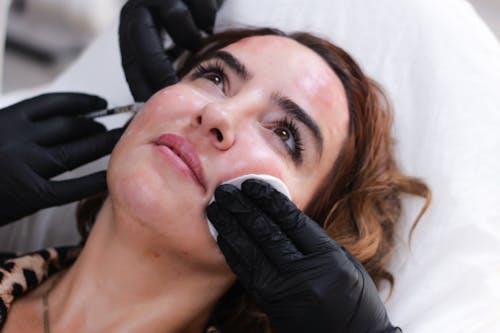
Interest often starts with non-invasive options like Botox and dermal fillers, mainly because they offer visible results without surgery. These treatments address wrinkles, volume loss, and contouring, often within a single appointment. For many, they act as a low-risk introduction to aesthetic care.
Surgical options still attract attention, especially for structural concerns that injectables cannot fix. Procedures like rhinoplasty surgery in Toronto continue to be widely discussed, partly because the nose plays such a central role in facial balance. Patients usually research extensively before considering surgery, comparing recovery times, costs, and long-term outcomes.
How do you know if a treatment is right for you?
Choosing a treatment begins with understanding your goal, not following a trend. Someone looking to soften fine lines will have a very different plan than someone wanting to reshape facial features. A consultation with a qualified professional helps translate those goals into realistic options.
It is also important to consider timing and lifestyle. Treatments require maintenance, and some involve recovery periods that may not fit easily into a busy schedule. Asking clear questions about downtime, risks, and expected results ensures that decisions are based on facts rather than assumptions or online hype.
Are these treatments safe?
Safety depends heavily on who performs the procedure and where it is done. Licensed medical professionals who specialize in aesthetics follow strict standards for hygiene, technique, and patient care. Clinics in Canada are regulated, but patients still need to verify credentials and experience.
Complications are possible, even with common treatments. Bruising, swelling, or uneven results can happen, especially if aftercare instructions are ignored. The safest approach combines proper research, realistic expectations, and a willingness to walk away from deals that seem too good to be true.
What does recovery actually look like?
Recovery varies widely depending on the treatment. Injectables may cause mild swelling or redness that fades within days, allowing people to return to normal activities quickly. Surgical procedures require more planning, often involving weeks of healing and gradual improvement.
Many people underestimate the emotional side of recovery. Swelling and temporary changes can feel unsettling, especially in a culture that expects instant results. Understanding that healing is a process helps manage expectations and reduces unnecessary stress during the early stages.
How much do these treatments cost?
Costs can range from a few hundred dollars for injectables to several thousand for surgical procedures. Prices often reflect the provider’s expertise, the clinic’s location, and the complexity of the treatment. While it may be tempting to look for cheaper options, lower costs can sometimes mean lower standards.
Financing plans have become more common, making treatments more accessible but also raising questions about long-term affordability. It is wise to consider not only the initial cost but also maintenance, follow-up appointments, and potential revisions. A clear budget prevents regret later.
Do results look natural?
The fear of looking “overdone” is one of the most common concerns, and it is not unfounded. Poor technique or excessive treatments can lead to unnatural results that draw attention for the wrong reasons. However, when done well, aesthetic treatments are often subtle enough that others notice a change without knowing why.
The key lies in moderation and communication. Patients who clearly express their preferences, and providers who respect those boundaries, tend to achieve the most natural outcomes. The goal is enhancement, not transformation, even if social media sometimes suggests otherwise.
What are the broader implications of this trend?
The growing acceptance of aesthetic treatments reflects deeper societal shifts. On one hand, it empowers individuals to take control of their appearance in ways that were once inaccessible. On the other hand, it raises questions about beauty standards and the pressure to conform. There is a quiet irony in how “natural beauty” now often requires professional intervention.
As treatments become more common, the line between personal choice and social expectation becomes harder to define. Being aware of this tension helps people make decisions that align with their values, not just current trends.
How does this trend affect mental health?
As aesthetic treatments become more common, their impact on mental health is getting harder to ignore. For some, these procedures can boost confidence and ease long-standing insecurities, offering a sense of control over their appearance. However, the constant comparison driven by social media can also create unrealistic expectations, leading to dissatisfaction even after treatment.
This cycle can push individuals toward repeated procedures in search of an ideal that keeps shifting. A balanced approach, including honest self-reflection and, when needed, professional mental health support, helps ensure that decisions come from self-confidence rather than external pressure.
Facial aesthetic treatments are no longer fringe decisions whispered about in private. They are part of a broader conversation about identity, confidence, and how people present themselves in a digital world. Asking the right questions and seeking honest answers is the best way to navigate that landscape with clarity and confidence.