Why the Fan Clutch Matters More Than Most Drivers Think
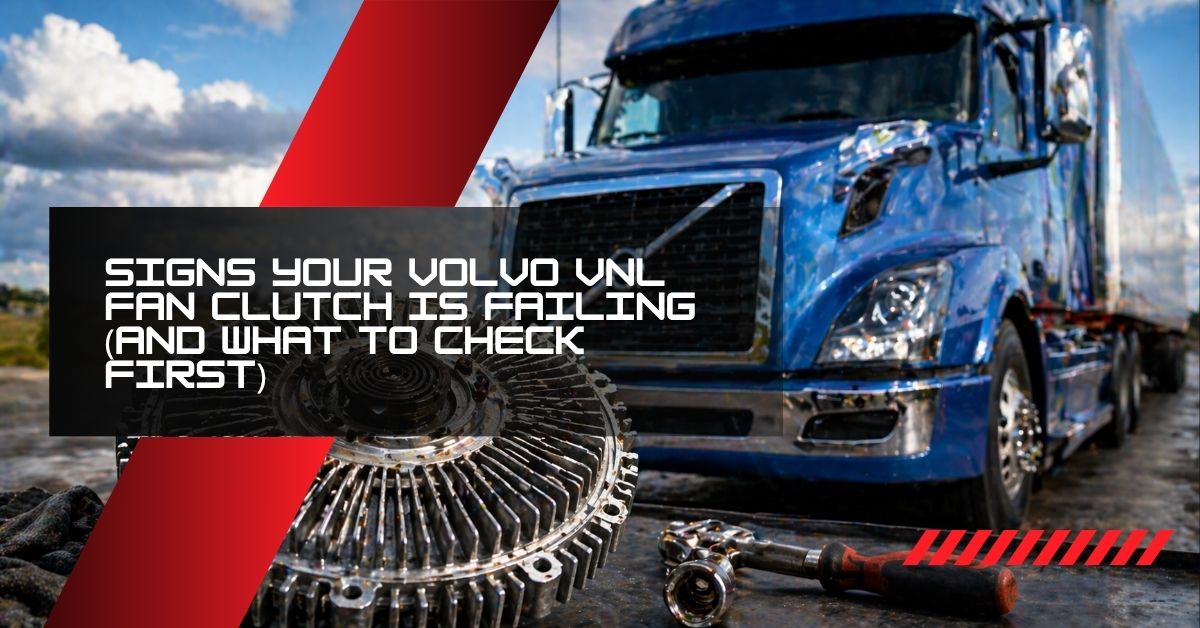
The cooling system on a Volvo VNL depends on several components working together—but one of the most overlooked is the fan clutch.
It controls when the engine fan engages, helping regulate temperature efficiently. When it works properly, your engine stays within a safe temperature range without overworking the system.
When it starts to fail, you may not notice immediately—but the damage builds quickly.
If you’re already dealing with temperature fluctuations or unusual fan behavior, it may be time to look into a Volvo VNL fan clutch before the issue turns into overheating.
What a Fan Clutch Actually Does
The fan clutch controls how often and how strongly the cooling fan operates.
- It engages when engine temperature rises
- It disengages when cooling demand is lower
- It helps balance cooling performance and fuel efficiency
Without a properly functioning fan clutch, your truck either:
- Runs too hot
- Or wastes energy by overcooling
Common Signs Your Fan Clutch Is Failing
1. Engine Running Hot
If your temperature gauge is climbing higher than normal, especially under load, the fan clutch may not be engaging properly.
2. Fan Always Running (Loud Noise)
A fan that runs constantly at full speed can indicate a locked or stuck fan clutch.
This leads to:
- Increased noise
- Reduced fuel efficiency
- Unnecessary wear
3. Fan Not Engaging When Needed
If the fan fails to engage when temperatures rise, the engine can overheat quickly—especially during:
- Heavy loads
- Stop-and-go traffic
- Warmer weather
4. Poor Fuel Efficiency
A malfunctioning fan clutch can cause the engine to work harder than necessary, reducing fuel efficiency over time.
5. Visible Wear or Damage
In some cases, you may notice:
- Oil leaks near the clutch
- Loose components
- Physical wear
Why Fan Clutch Problems Get Worse in April
April is when cooling systems are pushed harder than they were during winter months.
- Temperatures begin to rise
- Engines generate more heat under load
- Components weakened by cold weather start to fail
A fan clutch that performed adequately in colder conditions may struggle once cooling demand increases. This is especially noticeable during longer hauls, stop-and-go traffic, or when carrying heavier loads.
Spring is often when underlying cooling system weaknesses become visible, making early inspection and maintenance critical to avoid overheating and performance issues.
What to Check First
If you suspect a problem, start here:
Check Fan Engagement
Listen and observe if the fan engages when the engine heats up.
Inspect for Leaks
Look for oil residue around the fan clutch—this can indicate internal failure.
Monitor Temperature Behavior
Watch for:
- Rising temps under load
- Inconsistent cooling
- Sudden spikes
Check Mounting and Connections
Ensure the clutch is securely mounted and connected properly.
Inspect Related Cooling Components
Fan clutch issues can overlap with:
- Radiator problems
- Coolant issues
- Airflow restrictions
Repair or Replace?
In most cases, a failing fan clutch should be replaced rather than repaired.
Replace if:
- It no longer engages properly
- It is stuck on or off
- There are leaks or visible damage
- Overheating is occurring
Replacing early is far less expensive than dealing with engine damage caused by overheating.
Common Questions About Fan Clutches
What are the symptoms of a bad fan clutch on a Volvo VNL?
Common symptoms include overheating, a fan that runs constantly or not at all, loud fan noise, and reduced fuel efficiency.
Can a bad fan clutch cause overheating?
Yes, if the fan clutch does not engage properly, the cooling fan will not provide enough airflow, leading to overheating.
How do you check if a fan clutch is working?
You can check by observing fan engagement when the engine heats up, listening for abnormal noise, and monitoring temperature behavior under load.
Final Thoughts
The fan clutch plays a critical role in keeping your engine at the right temperature. When it starts to fail, the warning signs are usually there—you just have to catch them early.
Ignoring those signs can lead to overheating, reduced performance, and costly repairs.
Staying proactive with inspections and replacing worn components when needed helps keep your truck running efficiently—especially as temperatures rise and workloads increase.