Key Takeaways
- Water-efficient technologies dramatically cut waste and utility costs.
- Smart plumbing systems provide more control and real-time monitoring.
- Innovative materials foster durability and sustainability.
- Modern solutions contribute to better health and safety.
- Adaptability ensures plumbing meets the diverse needs of today’s spaces.
Modern plumbing systems have evolved remarkably over recent decades, serving as the backbone of both residential and commercial properties. Today, the integration of advanced technologies and innovative methods has elevated the efficiency, hygiene, and sustainability of living and working environments. From smarter water management to cutting-edge construction materials, the ripple effect of these changes affects property value, comfort, and environmental impact. Companies like Cruco Mill & Industrial Supply play an essential role in distributing the innovative tools and materials driving these modern plumbing revolutions.
For homeowners and business operators, understanding these advancements is more relevant than ever. The shift goes beyond reducing water usage to encompass greater automation, health, and future adaptability. By adopting these new solutions, spaces are better prepared for evolving societal needs, stricter regulations, and heightened expectations for safety and environmental awareness.
Water Efficiency and Conservation
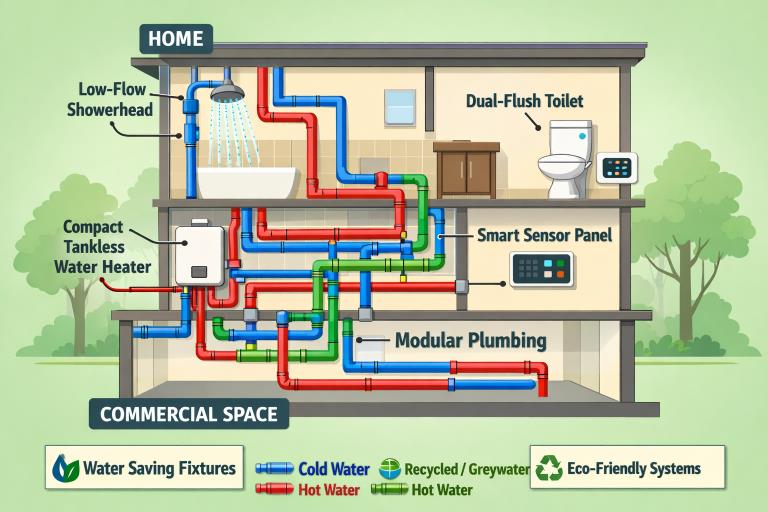
One of the most impactful trends in plumbing is the prioritization of water conservation. The introduction of low-flow faucets, showerheads, and dual-flush toilets reduces daily water usage without sacrificing performance. According to the EPA’s WaterSense program, using certified plumbing fixtures can decrease household water use by up to 20 percent. In commercial environments, this improvement scales up, bringing operational savings and environmental benefits. Installing rainwater harvesting systems and greywater recycling further enables buildings to reduce reliance on municipal supplies.
Smart Plumbing Systems
Digital transformation is shaping the plumbing industry with devices that allow users to monitor, control, and maintain their systems remotely. Internet-connected sensors quickly detect leaks and abnormal water flow, preventing damage and limiting costly repairs. Smart meters provide precise usage information, helping both residential and commercial users set consumption goals or shape sustainability initiatives. Smart water heaters, remote-shutoff valves, and programmable irrigation controllers are just a few examples of technology entering everyday plumbing applications.
Innovative Materials and Methods
Breakthroughs in construction materials and installation techniques are redefining plumbing durability and performance. Self-healing materials, such as concretes embedded with bacteria or special polymers, can seal minor cracks on their own, extending infrastructure lifespans. New-generation polymers and composite pipes withstand greater temperature extremes and corrosion compared to traditional materials like copper or galvanized steel. These developments lower maintenance costs and downtime, which is vital in commercial and multifamily settings.
Sustainable Building Practices
Plumbing systems are now designed and installed with sustainability at the forefront. Green building certifications, such as LEED and WELL, factor plumbing efficiency and material selection into their metrics. Options like recycled metal piping or low-VOC adhesives support healthier indoor air quality and resource conservation. Retrofitting old systems with the latest components not only provides energy and water savings but also reduces the carbon footprint of an entire building. Plumbing layout designs are being increasingly optimized to minimize water line lengths, heat loss, and the potential for leaks.
Health and Safety Enhancements
The public health benefits of modern plumbing extend well beyond clean drinking water. Touchless toilets, faucets, and bottle-filling stations minimize the spread of viruses and bacteria in both homes and shared spaces. Filtration systems and water purifiers eliminate contaminants, delivering safer water from every tap. Additionally, backflow prevention assemblies stop potential contaminants from entering supply lines, enhancing water quality in high-demand or industrial settings. Plumbing upgrades aligned with building codes now often include cross-connection controls, anti-scalding devices, and improved ventilation, all reinforcing the protection of occupant health and safety.
Adaptability to Modern Living Spaces
The greater flexibility of today’s plumbing systems allows them to serve a variety of building types, from tiny houses to sprawling business campuses. Modular plumbing panels can be easily configured for changing floor plans or different use cases. Systems support integration with other smart home or facility systems for seamless control. In dense urban developments, space-saving solutions like tankless water heaters and compact manifold systems allow for more livable square footage. This adaptability is crucial as trends in remote work, urbanization, and population growth change what people need from their built environments.
Conclusion
Modern plumbing has become an essential factor in shaping efficient, sustainable, and healthy residential and commercial spaces. With ongoing innovations in technology, materials, and design, property owners can benefit from systems that are not only more reliable and cost-effective but also environmentally and socially responsible. As cities strive to be greener and buildings become smarter, advanced plumbing solutions will remain fundamental to both the practical and aspirational goals of communities everywhere.