Key Takeaways
- Real-time charging tracking reduces costs. Monitoring live electricity rates allows EV owners to shift charging to off-peak hours and maximize savings.
- Battery health improves with active oversight. Tracking charge levels, temperature, and power speeds helps prevent premature battery degradation.
- Grid stability benefits from smart charging behavior. Coordinated, data-driven charging reduces strain during peak demand and supports the integration of renewable energy.
- Live station data minimizes inconvenience. Real-time availability updates help drivers avoid congestion, outages, and unnecessary delays.
- Smart charging programs unlock additional savings. Participating in incentive-based utility programs becomes easier with accurate, real-time session monitoring.
Introduction
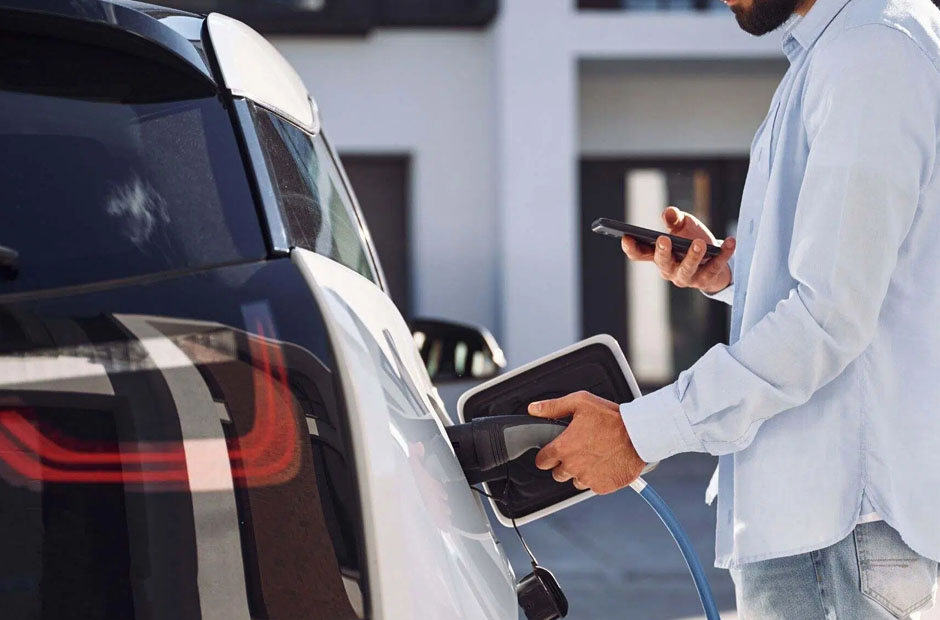
With the rapid adoption of electric vehicles (EVs), drivers are seeking smarter, more cost-effective ways to manage their charging routines. Tracking charging sessions in real time is one of the most important, yet often overlooked, practices for maximizing the benefits of EV ownership. Not only does this approach help prevent unexpected issues at charging stations, but it also gives owners a chance to develop smarter habits that save time and money in the long run. By adopting live monitoring tools, owners can better manage costs, battery health, and even support a cleaner power grid. Devices and mobile apps are improving constantly, offering better data and intuitive interfaces for new and veteran EV drivers alike. Modern solutions, such as dedicated charging mobile apps, make it easy to stay informed and in control during every charging session. You can use tools like the https://blinkcharging.com/products/blink-app to track your charging sessions and unlock these advantages.
Real-time tracking is not just about convenience. It creates opportunities for financial savings and helps users avoid inconveniences at public stations. When you can respond quickly to charging issues or adapt to fluctuating rates, you can take full advantage of technologies built into both the vehicle and the charging infrastructure. As EV ownership grows, taking advantage of these features will be essential for drivers seeking to make sustainable choices while optimizing their experience and keeping day-to-day travel stress-free.
Optimizing Charging Costs
One of the major reasons to monitor charging sessions as they happen is cost optimization. Most electricity providers offer variable rates, which means you can save substantially by charging your EV during off-peak times when energy is less expensive. Instead of setting your car to charge immediately after parking, you’ll have the freedom to choose optimal windows based on up-to-the-minute price signals. Real-time monitoring tools notify you of current rates and demand periods, allowing you to shift your charging schedule for maximum savings. This dynamic pricing landscape provides owners with a real incentive to monitor their charging behavior.
Research from the National Renewable Energy Laboratory highlights how aligning EV charging with periods of high renewable energy supply not only reduces costs but also lowers your environmental impact. By paying attention to price signals and renewable generation windows, EV owners can cut their electricity bills and shrink their carbon footprints. Harnessing green energy more directly is a practical way to link your charging routine to climate-friendly goals.
In some regions, charging an EV during renewable energy supply peaks, such as when solar or wind production is highest, can further reduce both your costs and the transportation-related emissions. In the future, as utility price signals become more precise and new products emerge, having real-time control over charging will likely be key to unlocking even more value as an EV owner.
Enhancing Battery Longevity
Real-time monitoring provides valuable feedback on charging speeds, power levels, and state of charge. This information is critical for extending the lifespan of your EV battery. Lithium-ion batteries degrade when regularly exposed to high power levels, deep discharges, or extended periods at full charge, but real-time tracking enables direct intervention. By knowing exactly when your battery reaches certain thresholds, owners can adjust usage or charging duration accordingly. For example, owners can set alerts to stop charging at 80 percent to avoid stressing the battery or monitor temperature fluctuations that might negatively impact battery performance.
Avoiding extremes, such as charging to 100% every day or letting the battery drain to near empty, can significantly prolong battery health. Over time, these small optimizations can slow capacity fade and keep your EV running efficiently for many more years. Real-time insights also allow quick adjustment if charging conditions become less than ideal, such as a malfunctioning station or an unexpected temperature spike, minimizing potential damage to your battery pack and protecting your investment in the long term.
Improving Grid Management
Tracking charging sessions in real time is not only beneficial for individual owners but also for local utilities and the broader energy grid. Utilities increasingly rely on EV data to balance electricity demand and prevent overloads during peak times. By monitoring how and when large numbers of EVs are plugged in, utility providers gain deeper insight into usage patterns and can better manage local distribution. When large numbers of EV owners participate in coordinated charging facilitated by real-time tracking, the risk of grid strain is reduced, making it easier to integrate renewable energy across neighborhoods and cities.
Early pilot programs have shown that sharing charging data with utilities allows for dynamic load management, resulting in fewer blackouts and a more stable power supply. According to a study covered by Utility Dive, smart coordination can delay expensive grid upgrades and support the adoption of clean energy. When EV charging loads are distributed more smoothly over time, the need for costly infrastructure improvements shrinks, and the integration of renewable resources improves. This collective action by drivers is only possible with accurate, real-time tracking of individual charging events.
Ensuring Charging Station Availability
Public EV charging infrastructure continues to expand, but is not yet immune to congestion and outages. Real-time session-tracking apps help drivers locate nearby stations, view current availability, and even check in advance whether a charger is out of service. This minimizes wasted trips and helps alleviate “range anxiety”, the fear of running out of power before finding a charging point. By accessing live data, users can plan routes more confidently and avoid unnecessary delays.
For those driving in busy areas or embarking on long road trips, knowing in advance whether a station is occupied or malfunctioning can be a trip-saver. Some advanced tools even offer reservation systems or predictive analytics, so users have a better chance of seamlessly accessing a charger when needed. By reducing the guesswork of charging away from home, drivers can spend less time searching for working chargers and more time enjoying the efficiency of electric travel.
Facilitating Smart Charging Programs
Many utilities and third-party providers now offer smart charging programs that incentivize EV owners to charge at specific times or locations. Participation is often tied to following specific schedules or dynamic pricing signals, both of which depend on accurate, real-time charging data. By using live monitoring tools, owners can align their charging habits with program requirements, maximizing their financial benefits and supporting grid initiatives. This often translates into lower overall charging costs, as well as rewards such as rebates or access to special charging rates.
In some cases, these programs allow utilities to remotely control charging rates or schedules, provided the owner consents—in exchange for discounts on electricity. This coordination can increase renewable energy integration, reduce overall system stress, and accelerate the rate at which communities can switch to cleaner energy sources.
Enhancing User Experience
Modern EV charging apps do more than just show your battery’s progress. They deliver actionable insights on charging patterns, energy use, and even cost projections over time. Many apps present this information in clear visual dashboards, empowering users to make more informed decisions about when and where to charge. Visualizing trends such as your peak usage days or spending patterns adds transparency and helps you build long-term savings strategies.
Real-time data and analytics also enable proactive identification of issues, such as slow charging rates or faulty equipment, improving reliability. As the EV market matures, these data-driven features will become increasingly valuable, making day-to-day vehicle management effortless and streamlined. Over months or years, the knowledge gained through real-time tracking helps drivers become experts in their own vehicle usage, making technology adoption feel less overwhelming and more empowering.
Final Thoughts
Tracking your EV charging sessions in real time provides a smart foundation for affordable ownership, optimal battery care, proactive grid support, and a significantly improved driving experience. As the energy ecosystem evolves to meet the growing demands of electric mobility, embracing real-time tools will be crucial to getting the most from your investment while advancing a more sustainable transportation future. The next wave of charging technologies promises even greater convenience, savings, and a smoother transition to a clean-energy world, rewarding those who take advantage of these capabilities early on.