The selection of the correct gate may very easily get confusing when you are presented with various materials, styles, and price ranges. You might be having the question whether a particular design will be able to secure your property, or whether it will just make your property look good but not perform permanently.
Simultaneously, the lack of space, exposure to weather, and maintenance needs may complicate the choice even further. Due to this fact, a gate cannot just be chosen based on the price or design.
Once you put your attention on durability, functionality, security, and long-term value, the process becomes even more transparent and much more practical.
This article describes what to look at when shopping for gates to ensure that you make a well-informed and confident decision.
1. Material Strength and Weather Resistance
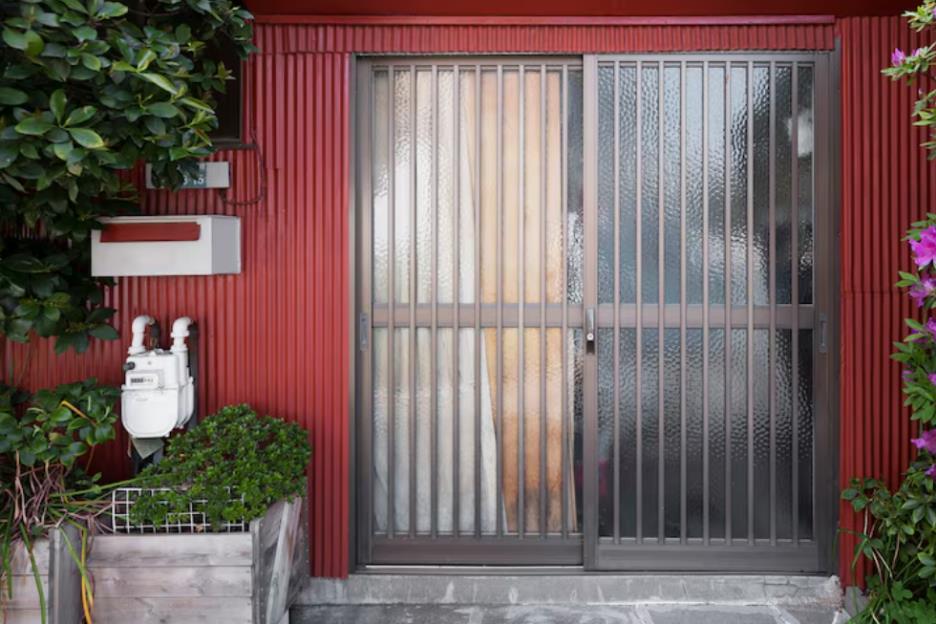
Once you begin to consider various alternatives and compare various gates for sale, the quality of materials needs to be the first criterion since it will directly influence durability and performance in the long term. Steel gates are very strong and rigid and can be used in residential and light commercial applications.
Moreover, steel is also sprayed with galvanized or coated finishes that prevent rust and corrosion. Aluminum, on the other hand, is very resistant to moisture and can be used in coastal or humid regions.
Wooden gates have a natural look, but they require frequent sealing and maintenance so that they do not warp or rot. Accordingly, consider your climate conditions to select the material to make your gate last longer without structural damage.
2. Opening Mechanism and Property Layout
The functionality of the gate should be in line with the space available and the driveway layout, as otherwise it would be inconvenient to use on a daily basis.
Swing gates are similar to regular doors and need a clear area to open, making them appropriate for broad and flat entrances. Sliding gates move horizontally on a track and are suited in places where there are limited swing areas. Cantilever systems eliminate the use of ground tracks, which would cause debris interference and maintenance challenges.
Evaluate slope, driveway length, and traffic flow before making a decision. Correct matching of the opening mechanism and layout is important to allow it to run without strain on the hardware and allow it to be operated over a long time without structural adjustments.
3. Security Level and Hardware Reliability
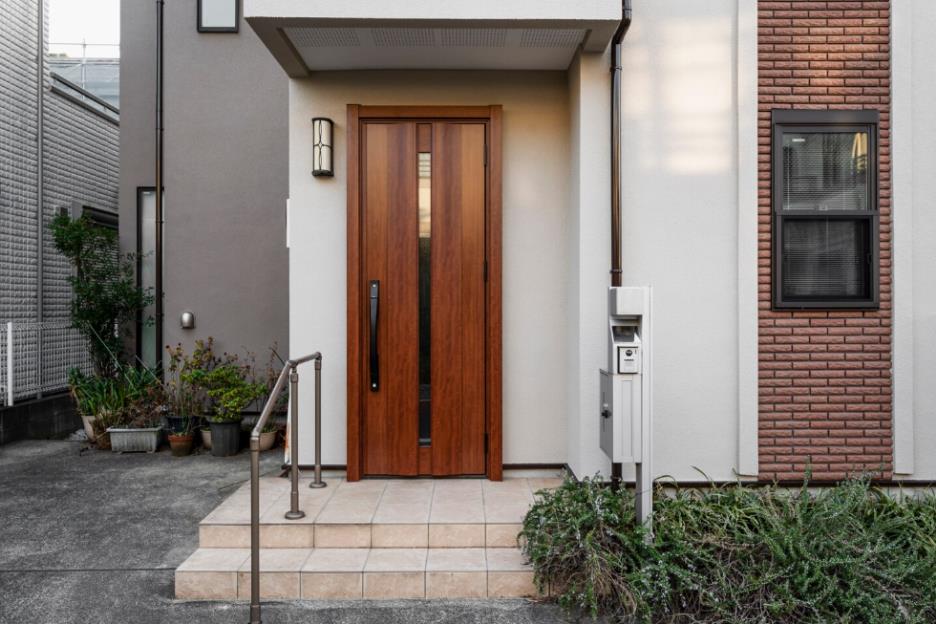
The security is not only determined by the height of the gates, but also by the quality of the construction and the strength of the hardware. Powerful frames with strengthened panels enhance resistance against forced entry.
Nonetheless, hinges, latches, and locking mechanisms also have a significant part in ensuring security. Heavy-duty hinges allow spreading of weight and minimize sagging with time.
Top locking systems enhance security and do not interfere with ease of access for authorized users. Moreover, hardware that is resistant to corrosion eliminates mechanical failure due to exposure to the weather.
In case you are planning to automate something, make sure it is compatible with secure access systems. Quality hardware increases the life span and maintains the security performance without always having to fix it.
4. Design Appeal and Property Harmony
In addition to strength and safety, your gate must be appealing to the general look of the property. Consistency in designs enhances the beauty of the curbs and ensures a cohesive exterior presentation.
Contemporary properties tend to have clean edges to them and metal finishes that are powder-coated, whereas more traditional settings may suit with more detailed or classic patterns. Choice of color determines visual impact as well and may either blend with fencing or have a slight contrast.
Nevertheless, functionality must not be undermined by looks. Balance style and structural performance such that elements of design do not weaken durability.
Aesthetics increase property value when they are complementary to architectural features and landscaping, while maintaining their main protective purpose.
5. Installation Standards and Maintenance Planning
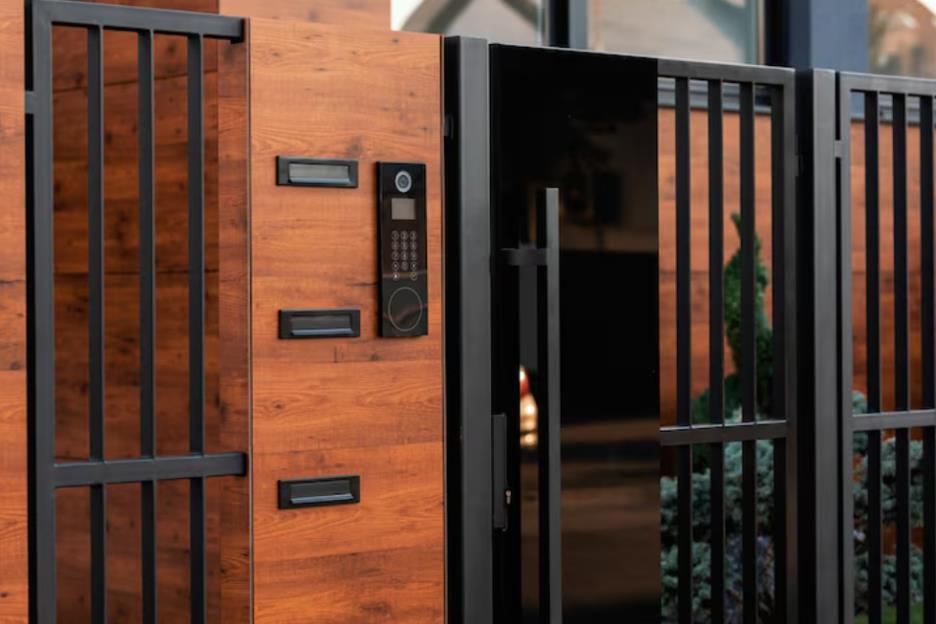
The appropriate installation contributes significantly to the maintenance of the performance of your gate. Posts are usually fixed in concrete foundations so as to avoid shifting or sagging.
Without strong support, even a high-quality gate can lose alignment and strain its hinges or locking system. If you plan to install automation, ensure that electrical components meet safety standards and are professionally fitted.
Maintenance should also be part of your decision. Steel may require occasional coating touch-ups, while wood needs sealing to prevent moisture damage. Planning for correct installation and routine care protects long-term performance.
6. Budget Evaluation and Long Term Performance Value
While cost naturally influences decisions, focusing only on purchase price may lead to higher expenses later. Lower-priced gates may use lighter materials or weaker hardware, which can reduce lifespan under regular use.
Mid-range options often provide a better balance between durability and affordability, particularly when constructed from galvanized steel or coated metal. Premium gates, although more expensive initially, can offer enhanced strength, improved finishes, and automation compatibility that increase convenience and security.
Consider not only upfront expense but also expected longevity, maintenance frequency, and repair likelihood. Evaluating total ownership cost helps you select a gate that delivers consistent performance and dependable value.
Conclusion
Shopping for gates requires careful consideration beyond surface appearance. Material strength sets the foundation for durability, while a correct opening mechanism ensures practical daily use.
Reliable hardware enhances both security and lifespan, and thoughtful design integration improves overall property presentation. Installation quality and maintenance planning further determine how well your gate performs over time.
Finally, evaluating long-term value instead of focusing solely on price allows smarter investment decisions. When you assess each of these factors with clarity and purpose, you position yourself to select a gate that balances security, functionality, and visual appeal effectively for years to come.