A strong roof supports the comfort and safety of every home. When shingles show wear or when leaks appear, homeowners benefit from a detailed professional inspection. A trained specialist evaluates visible surfaces and hidden areas to determine the condition of the roofing system. This process helps homeowners understand current issues and plan for timely improvements.
A professional inspection also prepares homeowners for the next step in shingle roof repair. Experts examine structure, materials, and surrounding components to create a clear picture of roof health. They communicate findings in simple terms and recommend suitable solutions based on their evaluation. The article explains what happens during a professional inspection and what homeowners can expect throughout the process.
Initial Property Assessment and Exterior Review
A professional begins with a full exterior assessment of the property to identify visible signs of wear and environmental impact. They walk around the home and examine roof lines, gutters, and drainage paths to understand how water flows across the structure. Inspectors also review surrounding elements such as trees, nearby structures, and ventilation outlets because these factors influence roof performance and durability.
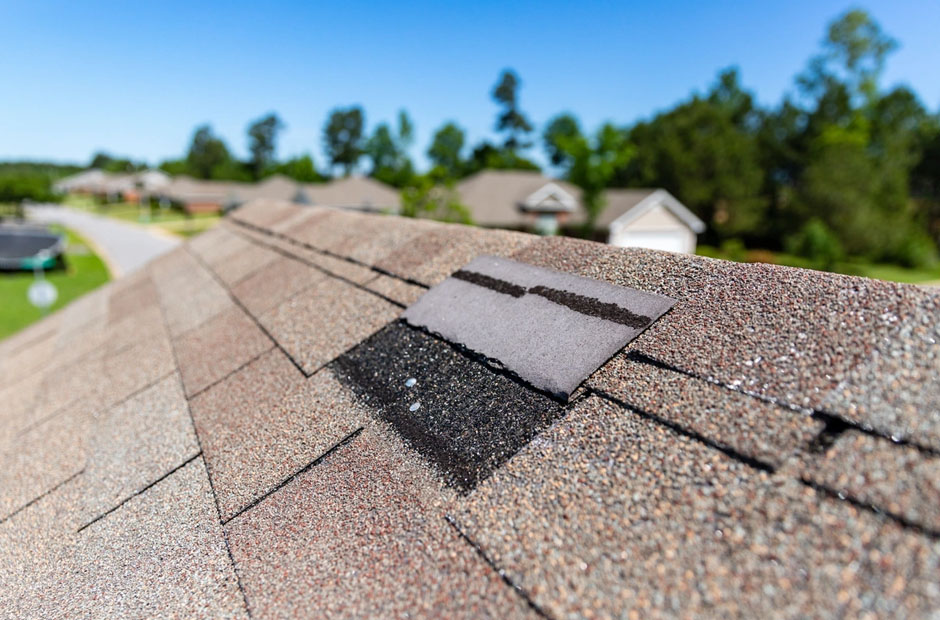
This stage includes a visual check for uneven areas, missing shingles, or surface discoloration. Inspectors document conditions with notes and photographs, which help support recommendations later. This careful review provides a strong foundation for the next phase of the inspection.
Close Inspection of Shingles and Surface Materials
After the exterior overview, the professional conducts a closer evaluation of shingles and surface materials. This stage focuses on identifying wear patterns, seal strength, and alignment. Inspectors check how shingles rest against each other and confirm that protective layers remain intact.
They also examine flashing around chimneys, vents, and valleys, since these areas help prevent moisture intrusion. Surface inspection includes reviewing nail placement and fastening integrity to confirm stability. A professional ensures that the entire surface maintains consistent protection and supports reliable performance across changing weather conditions.
Key Structural Elements Reviewed During Inspection
During the inspection, professionals evaluate several structural components that influence performance and durability. Each part contributes to overall stability and long-term protection. A detailed review helps professionals identify areas that may benefit from maintenance or adjustment.
Key elements reviewed include:
- Decking condition and structural stability.
- Ventilation pathways and airflow balance.
- Ridge caps and edge protection.
- Flashing around roof penetrations.
- Drainage systems and gutter alignment.
- Underlayment condition beneath shingles.
This structured evaluation helps professionals develop clear recommendations and maintain dependable performance.
Interior Examination and Moisture Detection
A professional inspection extends beyond the exterior surface and includes attic and ceiling areas. Inspectors evaluate insulation placement and airflow balance to confirm proper ventilation. Balanced airflow supports temperature control and helps maintain long-term roof performance.
Professionals also look for subtle discoloration or soft areas that may indicate previous moisture exposure. This interior examination complements exterior observations and creates a complete evaluation. When professionals combine these findings, they provide accurate recommendations for shingle roof repair and future maintenance planning.
Detailed Report and Repair Recommendations
Once the inspection concludes, the professional prepares a detailed report that outlines findings and recommendations. This document explains observed conditions and highlights areas that require attention. Clear communication helps homeowners understand the scope of work and expected outcomes.
The report may include photographs, condition summaries, and priority suggestions. Professionals also discuss timelines and answer questions to ensure homeowners feel confident about the next steps. This final stage provides clarity and supports informed decision-making about repair solutions.
A professional inspection offers clarity, confidence, and long-term value for homeowners. With expert evaluation and thoughtful recommendations, homeowners gain a better understanding of roof performance and future needs. A well-conducted inspection supports durability, improves performance, and helps maintain a secure and comfortable home.