Selection of the right components for a construction project can feel like a puzzle. Every piece must fit perfectly to ensure the structure functions as intended. This holds especially true for piping systems. High-density polyethylene (HDPE) pipes are popular for their durability and flexibility.
However, the fittings that connect these pipes are just as critical. Selecting the wrong fittings can lead to leaks, system failure, and costly repairs down the line. A project manager needs a clear strategy to make these important choices. This article provides a straightforward guide to navigate the selection process of HDPE pipe fittings with confidence.
Match the Fitting to the Application
The first step involves a close look at the specific needs of the project. Different construction jobs place different demands on a piping system. A municipal water line has requirements that are very different from an industrial drainage system. The fluid being transported is a primary consideration. Some materials might react poorly with certain chemicals or temperatures. It is essential to verify that the fitting material is compatible with the contents of the pipe. Pressure ratings also demand attention.
Consider the Joining Method
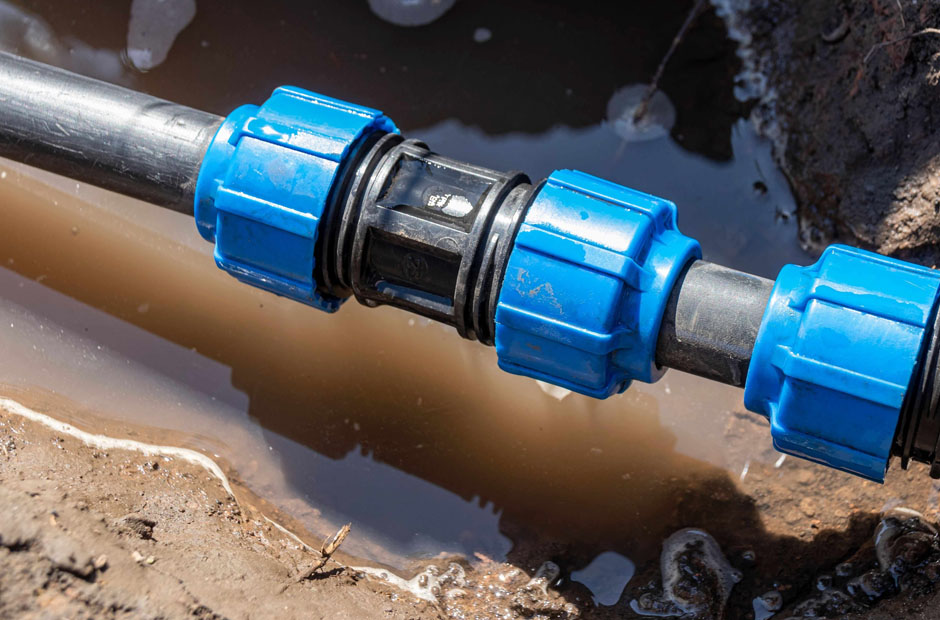
HDPE fittings connect to pipes through several techniques, and the choice impacts installation. Heat fusion is a common method that creates a permanent, leak-proof bond. This process uses heat to melt the pipe and fitting together, forming a single piece of material. Another option is mechanical joining, which uses piston rings or bolts to secure the connection. Mechanical joints allow for easier disassembly if future modifications are needed. The skill level of the installation crew and the tools available will influence this decision. For example, heat fusion requires specialised equipment and trained operators. The project timeline might also favour one method over another.
Evaluate Pressure and Temperature Ratings
Every pipe system operates under specific conditions that dictate material strength. The pressure rating, often denoted as Pressure Nominal (PN), indicates the maximum internal pressure a fitting can handle. Exceeding this rating invites leaks or bursts. Temperature also plays a significant role in material performance. A fitting’s pressure capacity can decrease as the temperature of the fluid or environment rises. Engineers must account for these factors to select fittings rated for the actual operating conditions. Using components with ratings that exceed the system’s maximum demands provides a safety buffer. This careful evaluation prevents premature system failure.
Assess Quality and Certifications
The origin and quality of the fittings themselves should never be overlooked. Reputable manufacturers follow strict industry standards to ensure product reliability. Look for fittings made from virgin HDPE material rather than recycled content for critical applications. Recycled materials may contain impurities that weaken the final product. Certifications from independent testing organisations offer proof of quality. These certifications show that the product has met specific performance and safety benchmarks. Inspecting fittings for visible defects like cracks, uneven surfaces, or inconsistent dimensions is a simple but vital step. Investing in quality components from the start saves money on repairs and replacements later.
Plan for System Expansion and Movement
Piping systems are not static; they respond to their environment. HDPE pipes have a coefficient of thermal expansion, meaning they expand and contract with temperature changes. Fittings must accommodate this natural movement to prevent stress on joints. Additionally, the ground itself can shift over time due to settling or seismic activity. A well-designed system uses fittings that allow for some flexibility. In long pipe runs, expansion loops or offsets might be necessary.
Selecting the right HDPE pipe fittings is a process that requires attention to detail. It involves matching the component to the specific application and understanding how it will be installed. By following these guidelines, construction professionals can build piping systems that are safe, efficient, and built to last.