Why Rideshare Collisions Are Not Ordinary Wrecks
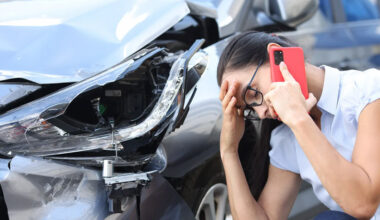
Crashes involving Uber vehicles are not simply car accidents with a different logo on the door. They unfold in a layered world of corporate policies, app data, and overlapping insurance carriers. Liability can point in multiple directions at once, from the individual driver to a third-party motorist to the rideshare company itself, depending on the circumstances and the legal framework in play. Evidence reaches beyond a simple police report. Ride logs, GPS trails, and communications through the app can tell a story minute by minute.
In cities like Corpus Christi, where traffic flows from tourist corridors to busy highways such as Interstate 37 and US 181, rideshare trips are part of daily life. More rides mean more crashes, and those crashes quickly reveal just how different these claims can be. Claimants often face corporate adjusters, unfamiliar deadlines, and policy terms written in dense legalese. Without a plan, important details can slip through the cracks.
The Role of App Status and Insurance Layers
One feature sets rideshare claims apart: coverage depends on the driver’s app status at the time of the crash. That single fact can redefine who pays and how much.
- App off: When the app is not active, the driver’s personal auto insurance is typically the only coverage in play, just as in any standard collision.
- App on, waiting for a ride request: Limited contingent liability coverage may apply if the driver’s personal insurer does not fully cover the loss. This layer is designed to bridge gaps, though it rarely functions as a comprehensive safety net.
- En route to a pickup or transporting a passenger: A commercial policy tied to the platform usually provides substantial third-party liability coverage. There may also be uninsured or underinsured motorist benefits and contingent collision coverage, depending on the policy terms and the driver’s own coverage.
These tiers matter because they determine whether there is a viable path to compensation. Determining the exact moment the wreck occurred within the trip timeline is crucial. App logs, timestamps, and GPS data often serve as the backbone of that analysis.
Determining Fault and Preserving Evidence
In a rideshare claim, fault is often a mosaic. Police reports help, but they may not capture the full picture. Attorneys, investigators, and insurers pull threads from several sources:
- App data showing when the driver accepted a ride and where the vehicle traveled
- GPS traces and telematics that document speed, braking, and route
- Dashcam footage, if available
- Photos and videos from the scene
- Damage patterns on the vehicles
- Statements from passengers and witnesses
- Event data recorder downloads
- 911 audio and dispatch logs
Preserving this evidence early can make the difference between a clear narrative and a fog of uncertainty. Formal preservation notices can help prevent key data from being lost. In a world where a trip lives as much in a server as it does on the road, timing is everything.
Passenger Protections and Unique Considerations
Passengers usually enjoy stronger protections than drivers because they are not directing the vehicle. If you were a passenger in an Uber during a crash, you may have access to coverage through the rideshare policy and potentially your own policy, such as medical payments or personal injury protection if applicable. Claims can include medical expenses, lost wages, and pain and suffering.
Documentation makes the claim. Seek medical evaluation promptly, keep records of all treatments, save receipts, and maintain a journal of symptoms and activity limitations. Screenshots of trip details and ride receipts can anchor your timeline. Communicating with insurers should be careful and measured. Small discrepancies can grow into large disputes if left unaddressed.
What Drivers and Other Motorists Need to Know
Rideshare drivers face a different set of choices. Their personal auto policies may exclude commercial use, which is why the app status and platform coverage matter so much. Drivers can find themselves explaining how the trip began, which screen was open, and whether the match was active. Other motorists involved in a crash with an Uber need to understand that the availability of a commercial policy may alter the negotiation landscape, but it does not automatically settle fault.
Independent contractor relationships also influence these claims. While rideshare companies often argue that drivers are not employees, platform policies and state laws can still create avenues for recovery that do not exist in typical two-car collisions. Sorting these issues out requires a clear-eyed view of contracts, policies, and statutes.
Dealing With Corporate Adjusters and Timelines
Corporate claims teams and their partner insurers have systems designed for efficiency. That does not always align with a victim’s healing timeline. Quick calls for recorded statements, requests for broad medical authorizations, and early settlement offers are common. Each decision affects the claim value. Missed deadlines or incomplete documentation can undercut recovery.
Medical bills and lost wages quickly pile up. So do questions about ongoing care, future treatment, and diminished earning capacity. The claim often involves multiple policies marching in step or colliding in conflict. Coordinating those policies and protecting the claimant’s rights demands organization and persistence.
Steps To Take After a Rideshare Crash
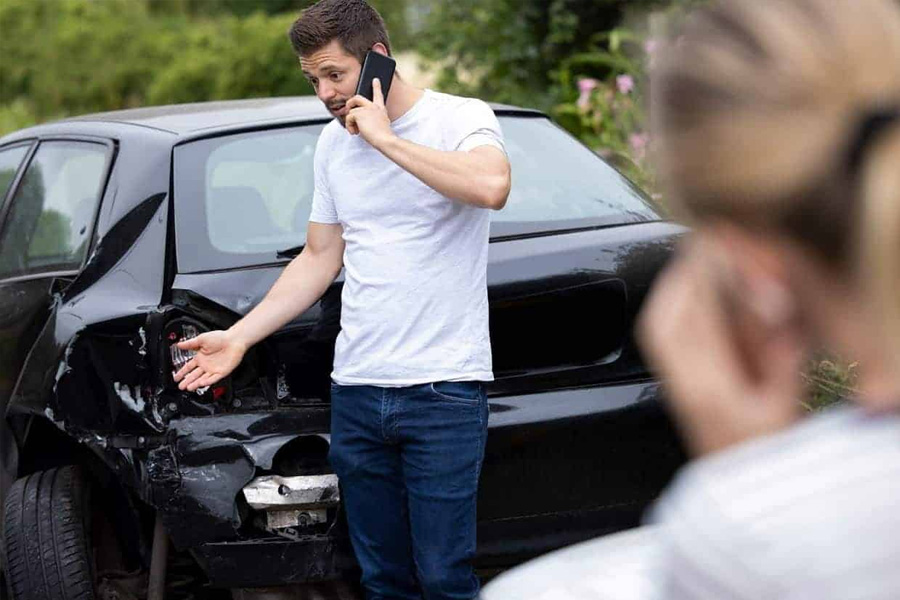
After a wreck, safety comes first. Call 911, seek medical care, and follow medical advice. If it is safe to do so, document the scene. Photograph vehicles, debris, road conditions, and visible injuries. Gather names, phone numbers, and insurance information for every driver, along with witness contact details. Save screenshots of the trip screen, the driver profile, and the receipt once it appears in the app.
Report the crash to ridesharing and your insurer. Keep all medical and billing statements. Record medical appointment miles, missed work, and out-of-pocket expenses. Post less about the crash on social media. If insurers call, be honest and postpone extensive comments until you understand your injuries and coverage.
The Local Landscape in Corpus Christi
Tourism, port traffic, and commuter routes make Corpus Christi traffic unpredictable. Later-night ride demand, beach congestion, and big vehicles on important corridors might raise dangers. Local knowledge helps. Knowing crash areas, seasonal traffic, and neighboring insurance and medical providers helps speed claim resolution.
Courthouse practices and regional litigation norms also shape outcomes. A lawyer familiar with Nueces County and surrounding jurisdictions knows how cases tend to unfold and what kinds of evidence persuade local adjusters and juries. In a claim where nuance matters, local insight can be the compass needle that keeps a case on course.
How Legal Representation Adds Value
Rideshare claims live at the intersection of personal injury law, commercial insurance, and data forensics. Skilled counsel can secure critical app records, coordinate medical documentation, and frame liability in a way that withstands scrutiny. They can evaluate policy layers, identify uninsured or underinsured motorist options, and push back against low initial offers.
Negotiation is part art, part arithmetic. It depends on credible liability theories, well-supported damages, and a readiness to file if talks stall. Lawyers also help protect clients from common missteps, such as signing blanket authorizations, underreporting symptoms, or ignoring future medical needs. The right strategy turns scattered facts into a clear signal.
FAQ
What if the Uber app was off when the crash happened?
If the app was off, the driver is typically covered only by a personal auto policy. The rideshare company’s commercial coverage generally does not apply unless the app was active.
Can I recover damages if I was a passenger and another driver was at fault?
Yes. Passengers can pursue claims against the at-fault driver and, when available, the rideshare policy for uninsured or underinsured motorist benefits. The goal is to ensure all responsible coverage sources contribute to your losses.
Do I have to give a recorded statement to the rideshare insurer?
You do not have to provide a recorded statement immediately. Insurers often request one early, but you can wait until you understand your injuries and the scope of coverage. Be factual and concise if you choose to proceed, and consider getting guidance before doing so.
How do I prove the driver’s app status at the time of the crash?
App logs, trip receipts, and internal platform data show whether the driver was offline, waiting, en route, or transporting a passenger. Preserve screenshots and request that the relevant data be retained as soon as possible.
What compensation can I seek after a rideshare collision?
Typical categories include medical expenses, lost wages, reduced earning capacity, pain and suffering, and property damage. In some cases, future treatment costs and long-term impairments are significant components of the claim.
How long do Uber accident claims usually take?
Timelines vary. Straightforward claims with clear liability and well-documented injuries may resolve in a few months. Cases involving disputed fault, multiple policies, or serious injuries can take longer, especially if litigation becomes necessary.
Will my personal insurance come into play if I was a passenger?
It might. Depending on your policy, medical payments or personal injury protection could help with early bills. If uninsured or underinsured motorist coverage applies, it can supplement what other insurers pay.
What should I do if I receive a quick settlement offer?
Treat early offers with caution. Initial payments often do not account for delayed symptoms, future medical needs, or lost earning potential. Review the full scope of your damages and the available coverage before accepting any settlement.