For too long, the garage has been the unsung hero of our homes – often a forgotten space for clutter rather than a true extension of our living areas. Yet, a well-planned garage upgrade can significantly boost your home’s functionality, curb appeal, and even its resale value. Imagine a space that’s not only organized and efficient but also enhances your daily life and property’s worth.
In this comprehensive guide, we’ll explore how strategic enhancements can transform this often-overlooked area. We’ll delve into the foundational elements that make a real difference, from creating a showroom-quality finish with advanced epoxy garage floor upgrades to installing smart, insulated garage doors.
Join us as we uncover practical strategies for maximizing storage, optimizing lighting and climate control, and even navigating the decision of converting your garage into a living space. Our goal is to provide you with the insights needed to unlock your garage’s full potential, making it a valuable asset for your home.
The garage, often the largest room in a home, frequently remains the most underutilized and neglected. Homeowners historically viewed it as a purely utilitarian space, far removed from the thoughtful design applied to the rest of their property. However, this perspective is rapidly changing. Today, we recognize the immense potential within these walls – a blank canvas for enhancing lifestyle, boosting property value, and achieving unparalleled organization.
Upgrading your garage isn’t just about aesthetics; it’s about investing in functionality, safety, and long-term enjoyment. From protecting your vehicles and tools to creating dedicated hobby zones or even expanding living space, the possibilities are vast. A strategic approach to renovation considers every element, ensuring that each improvement contributes to a cohesive and high-performing environment. We believe that with the right planning and execution, your garage can become a true asset, reflecting the same care and attention as the rest of your cherished home.
The Foundation of Premium Garage Upgrades: Multi-Layer Epoxy Systems
The garage floor endures more abuse than almost any other surface in your home. It faces constant vehicle traffic, hot tires, chemical spills, and abrasive debris. For these reasons, choosing the right flooring solution is paramount to both the longevity and aesthetic appeal of your garage. While many homeowners might consider a quick paint job, we advocate for robust, multi-layer epoxy systems that offer superior durability and a refined finish. These advanced systems are a key component of any significant garage upgrade, fundamentally changing the look and feel of the space. For those seeking professional-grade solutions, especially in challenging climates, exploring dedicated services for garage floor coatings can provide lasting results.
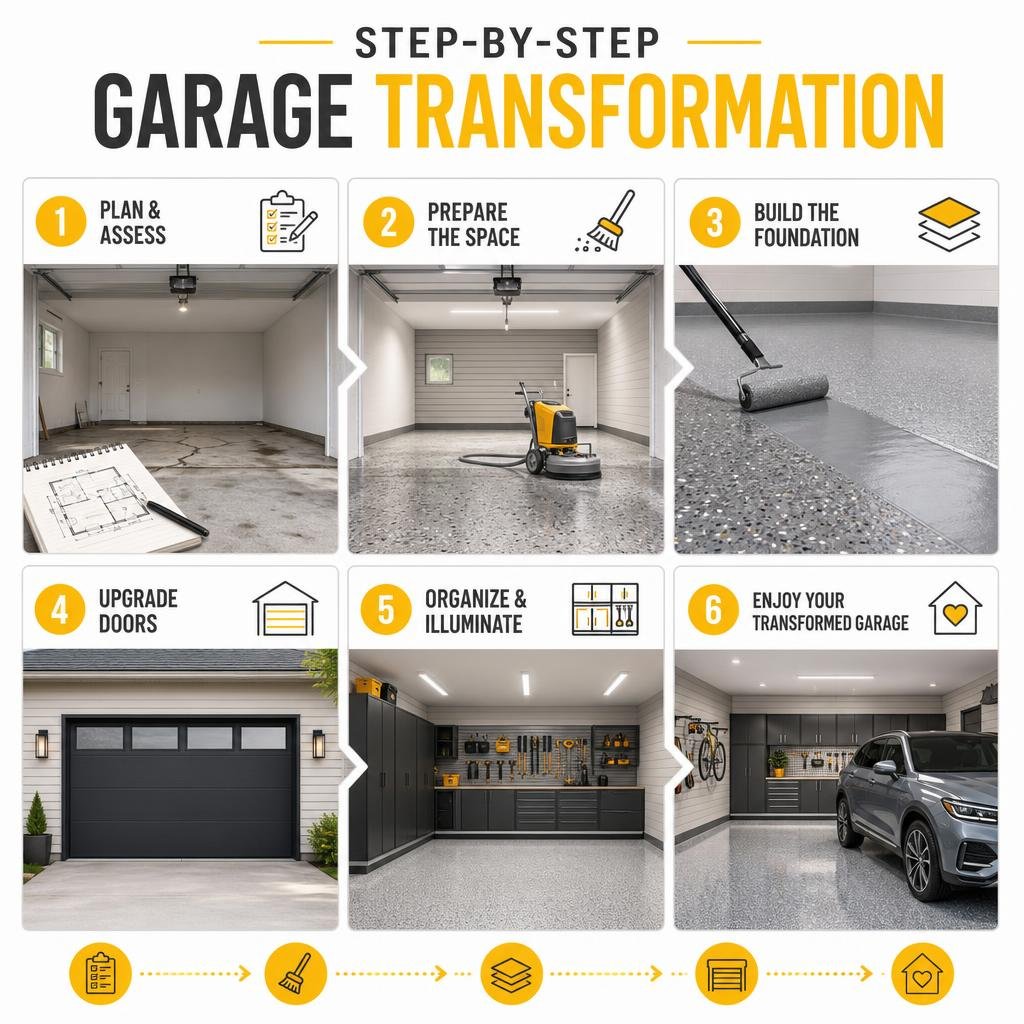
The process for a truly premium floor begins with meticulous concrete preparation. This isn’t just about cleaning; it involves diamond grinding the surface to create a porous profile that allows the coating to properly adhere. This mechanical grinding is far superior to acid etching, ensuring a strong bond. Following preparation, a crucial step is moisture mitigation. Concrete is naturally porous and can wick moisture from the ground, which can cause coatings to delaminate. An industrial-grade moisture barrier primer is essential to prevent this, ensuring the long-term integrity of the floor. This foundational work addresses common issues like “hot tire pickup,” where hot tires lift less durable coatings, preserving the floor’s pristine condition for years to come. Such comprehensive approaches are what truly elevate garage floor upgrades, providing a durable and attractive surface.
Why Basic Concrete Paint Fails
Many homeowners, seeking a quick and inexpensive fix, opt for basic concrete paint. However, these solutions, typically acrylic or latex-based, are fundamentally different from industrial-grade coatings and often lead to disappointment. Concrete is an inherently porous material, and without proper sealing and preparation, it’s susceptible to moisture vapor transmission from the ground beneath. This moisture, combined with the weight and heat of vehicles, causes basic paints to peel, chip, and blister.
Furthermore, these paints lack the chemical resistance needed to withstand oil, grease, and other automotive fluids. They also offer minimal abrasion resistance, quickly showing wear from tools, dropped items, and general activity. The result is a floor that looks good for a short period but rapidly deteriorates, becoming an eyesore and requiring frequent touch-ups or complete reapplication. We’ve seen countless instances where the initial cost savings of basic paint are far outweighed by the frustration and expense of its premature failure.
The Superiority of a Professional 2-Day Epoxy Installation
When considering serious garage floor enhancements, a professional 2-day epoxy installation stands out for its superior performance and longevity. Unlike quick 1-day systems that often cut corners, the 2-day process allows for critical curing times and the application of multiple robust layers, each designed for a specific purpose.
The first day is dedicated to thorough concrete preparation, including diamond grinding and the application of an industrial-grade epoxy primer. This primer acts as a vital moisture barrier, chemically bonding with the concrete to create a solid foundation. Allowing this base layer to cure overnight is paramount; it ensures maximum adhesion and strength before subsequent layers are applied.
On the second day, a full broadcast of decorative flakes is applied, creating a visually appealing, slip-resistant surface. These flakes are then encapsulated by one or more layers of polyaspartic topcoats. This meticulous, multi-stage approach ensures that the coating becomes an integral part of the concrete, offering unparalleled durability against impacts, chemicals, and hot tire pickup. It’s an investment that delivers a showroom-quality finish designed to last for decades, not just years.
The Role of Polyaspartic Topcoats Over Epoxy
While epoxy provides an excellent base layer, the true protective power in modern garage floor systems often comes from polyaspartic topcoats. This advanced material offers significant advantages over traditional epoxy as a final layer. Polyaspartic is renowned for its exceptional UV resistance, meaning it won’t yellow or fade over time when exposed to sunlight, a common issue with standard epoxy.
Beyond UV stability, polyaspartic boasts superior chemical resistance, protecting against spills from oils, gasoline, brake fluid, and other harsh automotive chemicals. Its flexibility also makes it more resistant to abrasions, scratches, and impacts, ensuring a longer-lasting, pristine appearance. For optimal protection, we often recommend applying dual clear coats of 100%-solids polyaspartic. This creates an incredibly robust, high-wear-resistant surface that can withstand the rigors of any garage environment. The rapid cure time of polyaspartic also allows for faster project completion, often enabling full return to service within 24-48 hours.
Elevating Curb Appeal and Value with Garage Door Upgrades
The garage door is often the largest single feature on the front of your home, making it a critical element for curb appeal and overall property value. An outdated, damaged, or uninsulated garage door can significantly detract from your home’s aesthetic and energy efficiency. Upgrading this vital component is not just about looks; it’s about enhancing performance, security, and convenience. Modern garage doors offer significant advancements in insulation, material durability, and smart technology, transforming them from simple access points into sophisticated home features. For those looking to enhance their home’s exterior and functionality, investing in Quality garage door enhancements can yield immediate and long-term benefits.
Consider the impact of an energy-efficient R-18 insulated garage door. Research shows such an upgrade can keep your garage about 12 degrees warmer in winter months and a remarkable 25 degrees cooler in summer. This not only creates a more comfortable environment within the garage but also helps regulate temperatures in adjacent living spaces, potentially lowering your energy bills. Beyond insulation, advancements in automatic openers, including smart technology integration, provide unparalleled convenience and security. Features like remote access, motion sensors, and battery backups ensure your garage is always accessible and protected, even during power outages.
Selecting the Right Materials for Your Garage Door
The material of your garage door plays a significant role in its appearance, durability, and maintenance requirements. Each option offers distinct advantages:
- Steel Doors:These are among the most popular choices due to their affordability, durability, and low maintenance. Steel doors can be insulated and come in various gauges, with thicker steel offering greater dent resistance. They can also be embossed with wood grain patterns or painted to mimic other materials.
- Aluminum Frames:Often used for contemporary designs, aluminum frames allow for large glass panels, providing abundant natural light. They are lightweight and resistant to rust, making them suitable for humid climates.
- Wood Overlays:For a classic, high-end look, wood overlay doors feature a steel base with a wood facade. This combines the strength of steel with the aesthetic warmth of natural wood, offering excellent insulation properties.
- Composite Materials:These doors are crafted from recycled wood fibers and synthetic resins, offering the look of natural wood without the associated maintenance. They are highly durable, moisture-resistant, and come with good insulation values.
- Weather Stripping:Regardless of the primary material, robust weather stripping around the perimeter and between panels is crucial. It seals gaps, prevents drafts, and protects the interior from moisture and pests, contributing significantly to the door’s energy efficiency.
Choosing the right material involves balancing aesthetic preferences with practical considerations like climate, budget, and desired level of maintenance.
The 50% Rule for Garage Door Replacement
Deciding whether to repair or replace a garage door system can be a challenging decision, especially when faced with unexpected malfunctions. A useful guideline to consider is the “50% Rule.” This rule suggests that if the cost of repairing your garage door system exceeds 50% of the cost of a full replacement, particularly if the system is over 10 years old and exhibits signs of significant mechanical wear, rust, or recurring safety issues, then replacement is likely the more economical and safer long-term solution.
Key indicators for replacement include frequent breakdowns, worn-out springs (which can be dangerous), malfunctioning safety sensors, and an opener unit that struggles or makes excessive noise. While individual components like springs or cables can often be repaired, a system that is consistently failing suggests underlying issues that might lead to more costly repairs down the line. Investing in a new, modern system not only provides peace of mind with new warranties and improved safety features but also offers enhanced energy efficiency and curb appeal that repairs simply cannot match. Always consult with a qualified technician to assess your specific situation.
Maximizing Functionality: Storage, Lighting, and Climate Control
A truly optimized garage goes beyond just floors and doors; it integrates smart storage, effective lighting, and climate control to create a highly functional and comfortable space. Many homeowners find their garages quickly become cluttered, rendering them unusable for their intended purpose. By strategically addressing vertical space, installing appropriate lighting, and managing temperature, we can transform a chaotic area into an organized, efficient, and enjoyable extension of the home. These upgrades not only improve daily usability but also contribute to the longevity of stored items and the overall appeal of the property.
Custom solutions are key to maximizing every square inch. From custom cabinets designed to fit specific tools or equipment to overhead racks that utilize often-wasted ceiling space, tailored systems ensure everything has its place. Modern LED shop lights provide bright, energy-efficient illumination, while strategically placed GFCI outlets enhance safety and power accessibility. When combined, these elements create a garage that is not only visually appealing but also incredibly practical for a wide range of activities.
Smart Storage Solutions and Garage Upgrades
Effective storage is at the heart of an organized garage. Traditional methods often lead to piles on the floor, making it difficult to find items and impossible to park vehicles. Modern garage upgrades focus on utilizing vertical space and creating dedicated zones to keep everything accessible and off the ground.
- Slatwall Systems:These versatile panels transform bare walls into flexible storage areas. With a wide array of hooks, bins, and shelves that can be easily reconfigured, slatwalls are perfect for organizing tools, sports equipment, and garden supplies. They allow for quick adjustments as your storage needs evolve, providing a clean and customizable aesthetic.
- Heavy-Duty Shelving:For heavier items or bulk storage, robust shelving units are indispensable. Whether freestanding or wall-mounted, these shelves should be constructed from durable materials like steel or high-density plastic to withstand significant weight. Securing freestanding units to the wall is a best practice for safety.
- Custom Cabinets:Enclosed cabinets offer a clean, finished look while protecting items from dust, moisture, and prying eyes. They are ideal for hazardous materials, valuable tools, or anything you want to keep out of sight. Custom designs can integrate workbenches, hide utility panels, and match your garage’s overall aesthetic.
- Overhead Racks:Often overlooked, the ceiling offers vast storage potential. Overhead racks are excellent for seasonal items like holiday decorations, camping gear, or rarely used equipment, freeing up valuable wall and floor space. Motorized ceiling storage systems take this a step further, allowing heavy items to be lowered and raised with the push of a button, eliminating the need for ladders.
- Zone Planning:Before installing any storage, we recommend a comprehensive zone plan. Designate areas for vehicles, workshops, sports equipment, and long-term storage. This strategic approach ensures that floor clearance is maintained, and items are stored logically, enhancing both functionality and safety.
By combining these smart storage solutions, your garage can transform from a cluttered catch-all into a highly organized and efficient space.
Power, Ventilation, and Climate Garage Upgrades
Beyond storage, optimizing your garage’s power, ventilation, and climate control significantly enhances its functionality and comfort. Many older garages are equipped with only a single electrical outlet and no dedicated climate management, limiting their utility.
- Subpanel Installation:For garages intended for workshops, EV charging, or power-hungry appliances, installing a dedicated subpanel is a game-changer. This provides more power, flexibility, and convenience, preventing tripped breakers in the main house and accommodating 240-volt wiring for heavy-duty tools or electric vehicle chargers. With the surge in electric car sales (more than three million electrical cars were sold in the US so far this year), EV charging stations are becoming a highly desirable upgrade, adding significant value and convenience.
- Additional Outlets:Most electrical codes require only one outlet in the garage. Adding GFCI (Ground Fault Circuit Interrupter) outlets, especially two per wall, greatly improves safety and accessibility for power tools and equipment. For finished garages, surface-mounted wiring channels can easily add outlets without extensive wall demolition.
- Ventilation:Proper ventilation is crucial for air quality, especially if you plan to use your garage for projects involving fumes, or if you park vehicles inside. Exhaust fans can remove stale air, humidity, and carbon monoxide, creating a healthier and more comfortable environment. Through-the-wall AC units can also aid in humidity control, protecting tools from rust.
- Insulation and Climate Control:Insulating garage walls, ceilings, and even the garage door (as discussed earlier) is fundamental to maintaining a stable temperature. For year-round comfort, consider installing a mini-split HVAC system. These highly efficient units provide both heating and cooling, turning your garage into a comfortable workspace, gym, or hobby area regardless of external weather conditions. Window AC units can offer a more budget-friendly cooling solution, while proper insulation reduces energy consumption for any heating or cooling system.
These upgrades collectively transform the garage into a truly usable and comfortable space, adaptable to a wide range of activities and modern demands.
The Living Space Dilemma: Conversion vs. Parking Preservation
The idea of converting a garage into additional living space is increasingly popular, especially in areas with high housing costs or a demand for accessory dwelling units (ADUs). While a garage conversion can add significant square footage and functionality, it presents a fundamental dilemma: sacrificing dedicated parking and storage space. This decision has profound implications for home resale value, lifestyle, and compliance with local regulations.
A full garage conversion, transforming the entire space into a home gym, workshop, guest suite, or even a rental ADU, can be a transformative project. It can provide much-needed living area without the expense of a traditional home addition. However, it’s crucial to weigh the benefits against potential drawbacks. Many buyers prioritize a functional garage for parking and storage, and removing this can deter a segment of the market, potentially impacting your home’s appeal and value. In some cases, converting a garage can even reduce home value if it eliminates essential parking in a neighborhood where it’s scarce.
Alternatively, a partial conversion, where one bay is converted into living space while another remains for parking, offers a compromise. This allows homeowners to gain some extra functional space while preserving the garage’s primary utility.
Key considerations for any conversion include:
- Resale Value:While an ADU conversion can add substantial value in high-demand markets (potentially $50,000-$150,000+), converting a garage into a less versatile space like a dedicated gym might not yield the same return, and removing parking entirely can be a net negative for some buyers. Always consult a real estate professional.
- Building Permits and HOA Guidelines:Almost all garage conversions require building permits to ensure structural integrity, safety, and compliance with local zoning laws. Unpermitted conversions can lead to significant problems during resale. Additionally, homeowners’ associations (HOAs) often have strict rules against altering exterior appearances or removing parking spots, so checking their guidelines is essential.
- Fire Separation Walls:If the converted space is attached to the main house, fire separation walls (often requiring 5/8″ Type X drywall) are mandatory to meet safety codes.
- Utilities and Climate Control:Conversions require extending HVAC, electrical, and potentially plumbing systems into the new living space, which adds to the cost and complexity.
The decision to convert rests on your specific needs, local market conditions, and a careful assessment of the pros and cons for your property’s long-term value and functionality.
Frequently Asked Questions About Garage Upgrades
What are the most valuable garage upgrades for home resale value?
The most valuable garage upgrades for home resale value typically focus on functionality, safety, and a clean, organized appearance. These include:
- Insulated Garage Door:An energy-efficient R-18 insulated door improves curb appeal, energy efficiency, and comfort, making it a highly rewarded upgrade by buyers.
- Epoxy or Polyaspartic Floor Coating:A durable, easy-to-clean floor coating prevents stains, enhances aesthetics, and signals a well-maintained space.
- Smart Storage Solutions:Custom cabinets, slatwall systems, and overhead racks that maximize organization and keep items off the floor are highly attractive, as they address a common buyer concern about storage.
- Adequate Lighting and Electrical Outlets:Bright LED lighting and sufficient GFCI outlets improve usability and safety, signaling a functional space for hobbies or work.
- EV Charging Station:With the increasing adoption of electric vehicles, a dedicated EV charging station can be a significant draw for many buyers.
Upgrades that preserve the garage’s primary function for parking while enhancing its utility tend to offer the best return on investment.
Why is a 2-day epoxy floor system better than a 1-day coating?
A 2-day epoxy floor system offers superior durability, adhesion, and longevity compared to typical 1-day coatings primarily due to the time allowed for proper curing and layering. The first day involves thorough concrete preparation (diamond grinding) and the application of an industrial-grade epoxy primer, which acts as a crucial moisture barrier. Allowing this primer to cure overnight ensures maximum chemical bond with the concrete. On the second day, decorative flakes are applied and then sealed with one or more layers of robust polyaspartic topcoats. This multi-layer, multi-day process ensures that the coating becomes an integral part of the concrete, resisting peeling, chipping, hot tire pickup, and chemical damage far more effectively than thinner, faster-curing 1-day systems that often skip essential steps like moisture mitigation or proper base coat curing.
Can I convert my garage into a living space and still keep room for parking?
Yes, you absolutely can! A partial garage conversion is a very popular option that allows homeowners to gain additional living space while retaining some of the garage’s original function for parking or storage. For example, in a two-car garage, you could convert one bay into a home office, gym, or guest room, while leaving the other bay open for vehicle parking. This approach offers a valuable compromise, addressing the need for more functional living space without completely sacrificing dedicated parking. However, plan carefully, ensure proper fire separation if required by code, and verify that your local building permits and HOA guidelines accommodate partial conversions.
Conclusion
Transforming your garage from an overlooked storage area into a valuable, functional, and aesthetically pleasing extension of your home is an investment that pays dividends. From the ground up, with robust multi-layer epoxy flooring systems, to the exterior, with insulated and smart garage doors, every upgrade contributes to a more efficient, comfortable, and valuable property.
We’ve explored how strategic storage solutions, optimized lighting, and climate control can maximize usability, while also considering the nuanced decision of converting space versus preserving parking. The key lies in thoughtful planning, understanding your needs, and choosing high-quality materials and professional installation where it matters most.
By embracing these modern garage upgrades, you’re not just renovating a space; you’re enhancing your daily life, adding significant curb appeal, and securing your home’s long-term value. It’s time to give your garage the attention it deserves, turning it into a true asset that reflects the pride you take in your entire home.