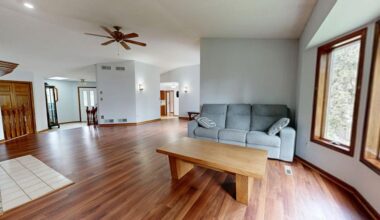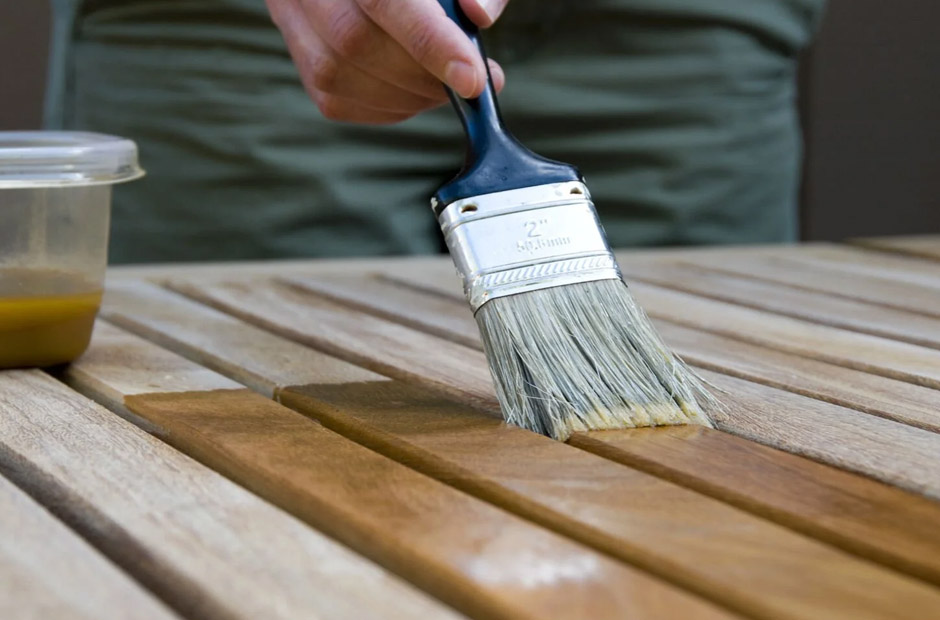
Wood flooring is an interior surface material made from natural hardwood or engineered plank construction. Manufacturers apply protective finishes to the surface, and these coatings help reduce wear during daily use. Because dirt, moisture, and foot traffic gradually affect the floor finish, regular maintenance helps reduce surface buildup and visible wear. Here are a few tips for caring for your wood flooring:
Remove Dirt
Dust and grit collect across wood flooring surfaces. Small particles may scratch the finish as household occupants walk, and repeated movement creates wear across active areas of a home. Routine sweeping and vacuuming help remove loose dirt. Outside mats and indoor rugs may limit the spread of dust to interior floors. Dirt sometimes gathers along edges and corners of rooms, so these spots need extra care during normal cleaning.
Limit Moisture
Standing water can affect wood flooring by allowing moisture to sit on the surface for extended periods. When liquid remains on the floor, it is able to seep into seams and plank edges, increasing the risk of swelling or warping over time. Dry cleaning methods limit water contact during routine maintenance. Promptly drying spills can reduce moisture absorption, while consistent cleaning helps maintain the condition of the floor finish. Some entry areas experience repeated moisture from wet shoes, and regular monitoring allows you to lessen the buildup of moisture.
Indoor humidity affects hardwood floors because the material responds to changes in the surrounding air conditions. Changes in environmental moisture levels affect how the boards expand or contract. Steady interior conditions help reduce these changes and keep the floor more stable during daily use.
Prevent Scratches
Surface scratches may be visible in high-traffic areas, such as hallways and entryways. Furniture movement sometimes creates friction on wood floors, and repeated dragging can cause abrasions and dents on finished surfaces. Protective pads on the feet of chairs, tables, and other heavy furniture help prevent deep scratches. Carefully lift instead of dragging furniture to reduce surface friction.
Shoes often transfer dirt and other particles from outdoor areas into indoor spaces. These may create friction as they are pushed across the floor, increasing visible wear over time. Removing shoes before walking on hardwood floors helps prevent this; regular cleaning also allows you to prevent scratches from occurring.
Limit Sunlight
Direct sunlight can gradually change the floor color across exposed sections of the room. Using curtains, blinds, or UV-blocking window coverings helps prevent wood floors from fading under prolonged sun exposure. Regular room adjustments support a more even floor appearance across different sections of the house.
Hire a Wood Flooring Company
Wood floors require regular maintenance throughout daily use. Routine cleaning helps reduce dirt buildup, and controlled moisture exposure can protect seams and finished surfaces. Working with a professional flooring expert provides guidance on suitable cleaning methods, while product-specific recommendations support proper floor care. You may also choose materials that are resistant to scratches and stains, such as vinyl plank flooring; this allows you to spend less time maintaining the material. Visit a flooring company’s showroom to explore more about hardwood options.