Many drivers assume that major car repairs are unavoidable over time. While wear and tear is a natural part of vehicle ownership, a large percentage of costly repairs actually stem from neglected maintenance. The reality is simple: small, consistent habits can prevent big problems.
Taking a proactive approach to vehicle care doesn’t require advanced mechanical knowledge. It’s about paying attention to routine upkeep and addressing minor issues before they escalate. Even something as simple as monitoring levels of def in diesel vehicles can help maintain efficiency and avoid performance issues.
By building a few easy habits into your routine, you can extend your vehicle’s lifespan, improve performance, and reduce the likelihood of unexpected breakdowns.
Easy Habits That Extend Vehicle Life
One of the most effective ways to keep your vehicle running smoothly is to stay consistent with basic maintenance tasks. These habits may seem small, but they play a major role in preventing long-term damage.
Regularly checking and replacing your air filter is a great place to start. A clean air filter ensures that your engine receives the proper airflow needed for combustion. When the filter becomes clogged, it restricts airflow, reducing performance and fuel efficiency while putting extra strain on the engine.
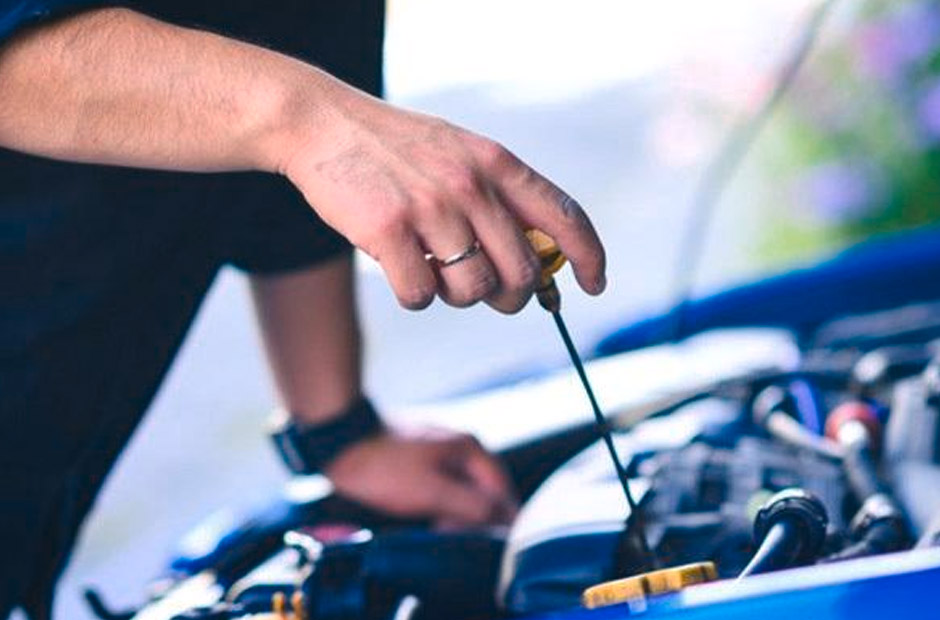
Monitoring fluid levels is another essential habit. Engine oil, coolant, brake fluid, and transmission fluid all contribute to your vehicle’s performance. Keeping these fluids at proper levels and replacing them when needed helps prevent overheating, excessive friction, and component wear.
Paying attention to fuel system performance is also important. For vehicles that use them, maintaining components like the carburetor ensures proper fuel and air mixture, which is critical for smooth engine operation. Even in modern vehicles with fuel injection systems, similar principles apply—clean and efficient fuel delivery is key to performance.
Tire maintenance is another simple but impactful habit. Regularly checking tire pressure and tread wear improves safety, fuel efficiency, and handling. Properly maintained tires also reduce strain on suspension components.
Keeping your vehicle clean can also extend its life. Dirt, salt, and debris can cause corrosion over time, especially on the undercarriage. Regular washing helps protect both the exterior and structural components.
Listening to your vehicle is another valuable habit. Unusual sounds, vibrations, or changes in performance are often early warning signs of potential issues. Addressing these signs early can prevent more serious problems from developing.
Finally, sticking to a maintenance schedule is key. Following manufacturer recommendations for oil changes, inspections, and part replacements ensures that nothing is overlooked.
Routine Care Prevents Breakdowns
Routine maintenance isn’t just about keeping your car running—it’s about preventing breakdowns before they happen. Small, consistent efforts can significantly reduce the risk of unexpected issues.
One of the biggest benefits of routine care is early detection. Regular inspections allow you to identify worn components, leaks, or performance issues before they become serious. Fixing a small problem early is almost always less expensive than dealing with a major repair later.
Preventive maintenance also improves reliability. A well-maintained vehicle is far less likely to leave you stranded. This is especially important for daily commuters or those who rely heavily on their vehicles.
Another advantage is cost savings. While maintenance does require some investment, it’s typically much less expensive than major repairs. Replacing a filter or topping off fluids is far more affordable than repairing engine damage or replacing major components.
Routine care also helps maintain performance. When your vehicle is properly maintained, it runs more efficiently, responds better, and delivers a smoother driving experience. This not only improves comfort but also enhances safety.
Fuel efficiency is another area that benefits from regular maintenance. Clean filters, proper tire pressure, and well-maintained systems allow your engine to operate more efficiently, reducing fuel consumption.
Additionally, routine care helps preserve your vehicle’s value. A well-maintained car with a documented service history is more attractive to potential buyers and retains its value better over time.
Ultimately, maintenance creates consistency. Instead of dealing with sudden issues, you maintain control over your vehicle’s condition, making ownership more predictable and less stressful.
Conclusion
Major car repairs are often the result of small issues that were ignored over time. By adopting simple maintenance habits, you can prevent these problems and keep your vehicle running smoothly.
From replacing filters and monitoring fluids to maintaining tires and paying attention to warning signs, these small actions have a big impact. They improve performance, enhance reliability, and reduce the risk of costly breakdowns.
In the end, consistency is what matters most. Taking a proactive approach to vehicle care allows you to avoid major repairs and get the most out of your car for years to come.