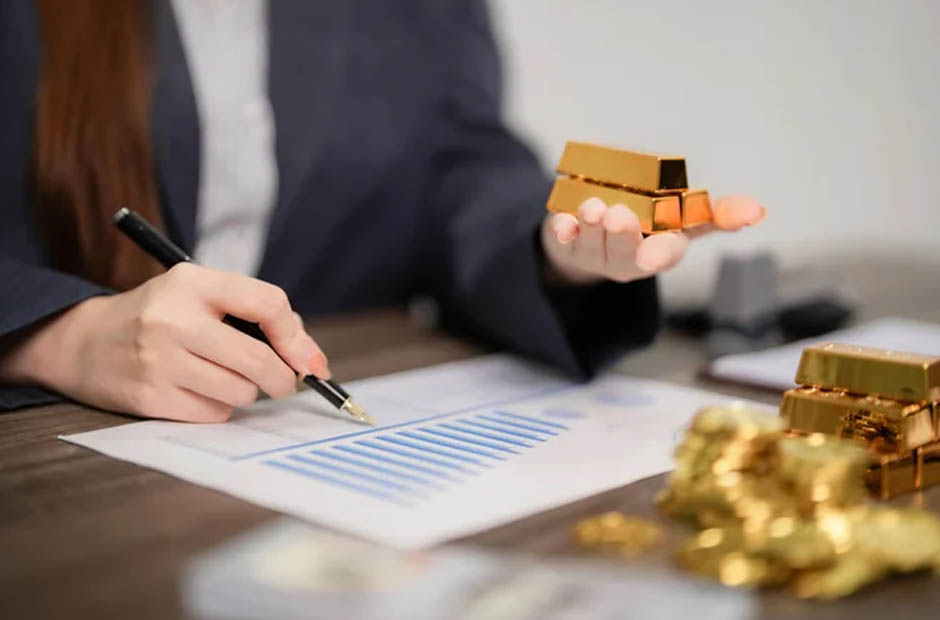
In today’s evolving financial environment, savvy investors are prioritizing diversification and resilience in their portfolios. One of the most effective ways to accomplish this is by including precious metals such as gold, silver, platinum, and palladium. These assets are increasingly valued for their unique qualities and the stability they can add to an investment strategy. Trusted sources like Precious Elements Jewelry & Coin play an essential role in helping investors access and understand these metals. Precious metals possess qualities that set them apart from typical stocks and bonds. Their historical role as stores of value, independence from broader economic cycles, and ability to act as inflation hedges make them must-have components for anyone considering long-term financial security. In this article, we will examine the significant benefits and practicalities of incorporating these timeless assets into a modern portfolio.
Diversification Benefits of Precious Metals
Incorporating precious metals into an investment portfolio offers a unique form of diversification. Unlike equities and bonds, these metals typically demonstrate low correlations with traditional asset classes. This characteristic provides significant risk management advantages, delivering portfolio stability when markets become volatile. During financial crises or inflationary periods, precious metals tend to perform well, offsetting declines in other asset categories and smoothing out returns over time. This reduction in portfolio risk is one of the most compelling reasons for modern investors to consider precious metals as core holdings.
Moreover, precious metals have a track record of maintaining their value during economic uncertainty. Where stocks might tumble, and fiat currencies might fluctuate, metals like gold and silver often retain their purchasing power, making them reliable stores of value. Many investors see this resilience as a critical shield against unpredictable market downturns. Understanding the practicalities of trading and valuing precious metals is crucial when entering this market. Building a relationship with specialists is helpful, particularly with experienced gold buyers who can offer assurance on authenticity, purity, and market prices. They can help ensure that you acquire assets that will meet your investment goals over time.
Gold: A Strategic Asset in Uncertain Times
Gold stands out among precious metals for both its historical significance and current relevance. Traditionally valued as a haven, investors often flock to gold during geopolitical turmoil, currency devaluation, or sharp market corrections. Data consistently shows that gold prices tend to move inversely to stock markets during crises, preserving wealth when other assets may be plummeting. Recent years have seen central banks worldwide increasing their gold reserves, highlighting the ongoing importance of gold not only for individuals but also for sovereign wealth strategies. This underscores gold’s enduring reputation for stability and as a hedge against global uncertainty. Modern investors do not view gold merely as a speculative asset. Today, many professionals advocate holding a small allocation of gold in their portfolios at all times to mitigate losses during bear markets. This approach acknowledges gold’s versatility and its ability to provide both capital preservation and strategic opportunities across a variety of market conditions.
Silver: Combining Monetary and Industrial Demand
Silver is unique in its dual role as both a monetary asset and an industrial commodity. Its historical use as money gives it intrinsic value, while contemporary industrial applications, such as solar energy technology, electronics, and medical devices, create a steady, underlying demand. The price of silver can fluctuate more sharply than gold due to shifts in global industrial trends, offering both risk and reward for investors who understand the dynamics. As modern technology increasingly relies on silver, its investment appeal continues to grow, offering potentially higher returns in exchange for greater volatility. These distinct uses make silver an attractive option for diversified investors seeking exposure to innovation and emerging industries. Holding silver not only offers safe-haven qualities but also provides growth opportunities linked to technological advancements.
Platinum and Palladium: Industrial Giants
Platinum and palladium derive much of their value from industrial applications, especially in automobile manufacturing. Both metals are vital for catalytic converters that reduce vehicle emissions, and their prices are closely tied to global trends in automotive production and environmental regulations. As worldwide industries seek to reduce carbon emissions and comply with environmental standards, demand for these metals rises. Investing in platinum and palladium exposes a portfolio to the performance of global manufacturing and green technologies, helping investors benefit from structural changes in the world’s economy. Including platinum and palladium as part of a precious metal allocation also allows investors to tap into additional sources of return and reduce overreliance on gold or silver.
Investing in Precious Metals ETFs
For investors seeking simplicity and lower barriers to entry, Exchange-Traded Funds (ETFs) are an effective way to gain exposure to precious metals. Products like SPDR Gold Shares (GLD) and iShares Silver Trust (SLV) track metal prices directly and offer a cost-effective route to benefit from price movements without physically holding or storing bullion. ETFs are also more liquid and accessible, making it easier to adjust allocations as market conditions shift.
While ETFs introduce convenience, it is important to research fund structures carefully. Physically-backed funds offer greater transparency and a lower risk of tracking errors than derivatives-based or leveraged ETFs. Always consider expense ratios and tax implications when deciding how to integrate precious metals ETFs into your portfolio.
Practical Steps for Integrating Precious Metals
- Assess Your Investment Goals:Define your objectives for including precious metals. Are you seeking hedges against inflation, portfolio diversification, or exposure to industrial growth?
- Determine the Right Allocation:Most experts recommend limiting precious metals to 5 to 10 percent of total portfolio assets to optimize risk and return balance.
- Choose Investment Vehicles:Decide whether physical metal, ETFs, or mining stocks best fit your needs in terms of liquidity, ease of management, and long-term strategy.
- Stay Informed:Monitor global economic indicators, supply and demand trends, and geopolitical developments that might influence metals markets.
Working proactively with established professionals and regularly revisiting your portfolio allocations will help maximize the benefits of this asset class.
Conclusion
Precious metals offer a compelling combination of safety, diversification, and exposure to future industrial growth. Integrating these assets into your investment plan can help protect against market uncertainties and provide valuable opportunities, both during crises and throughout long-term growth cycles. With the right strategy and trusted guidance, investors can ensure that precious metals become a vital contributor to portfolio stability and success.