Key Takeaways
- Understanding personal banking policies is crucial for safeguarding your financial assets.
- Implementing robust security measures can significantly reduce the risk of fraud and identity theft.
- Regularly reviewing and updating your banking practices ensures ongoing financial protection.
Introduction
Personal banking is evolving in today’s digital world, offering new conveniences but also posing unique threats to financial security. As access to online and mobile banking increases, so does the necessity for robust protective measures to defend against cybercrime and fraud. One of the most effective strategies for minimizing these risks is to understand and implement strong personal banking policies. These policies are fundamental for protecting your assets, financial identity, and sensitive information. Beyond simply choosing a reliable bank, it is important to cultivate strategies that protect your interests and give you greater control. Exploring options, such as be your own bank, can also empower individuals to take charge of their financial security beyond conventional models. Individuals who proactively use effective banking policies place themselves in a much stronger position when challenges arise. Not only do these policies help mitigate losses from unexpected events, but they also create a culture of awareness that acts as a first line of defense against evolving threats. In 2024, the financial landscape is more interdependent and digitized than ever, making vigilance and knowledge of personal banking protocols essential duties for every account holder.
Many financial experts emphasize that understanding the basics of finance, being cautious with online transactions, and leveraging bank-offered protections are the cornerstones of safer banking. By staying informed and using the latest safety features, consumers can deter cybercriminals and effectively secure their assets. The significance of banking security cannot be overstated in an era where a single breach can have catastrophic effects on both personal finances and credit reputations. According to the Federal Trade Commission, American consumers lost over $12.5 billion to fraud in 2024, a 25 percent increase from previous years. These figures highlight an urgent need for multi-layered security in the banking sector, and consumers must be aware of the growing risks of identity theft, unauthorized withdrawals, and phishing scams. Financial losses resulting from these breaches not only impact day-to-day living but can also have long-term implications, especially if sensitive data falls into the wrong hands. The need for rigorous banking protection is enhanced by ever-evolving methods used by cybercriminals, making it essential for individuals to recognize the pivotal role their personal banking practices play in defending against fraud. Online and mobile banking have brought great convenience. However, this convenience can only be safely enjoyed by implementing a combination of technological and behavioral safeguards. Staying informed about current best practices and policy updates from your financial institution is crucial for preempting threats and ensuring ongoing protection.
Key Banking Security Features
Modern banks offer a range of advanced security features to protect your financial and personal information. When assessing the trustworthiness and reliability of any financial institution, ensuring they offer the following protections is crucial:
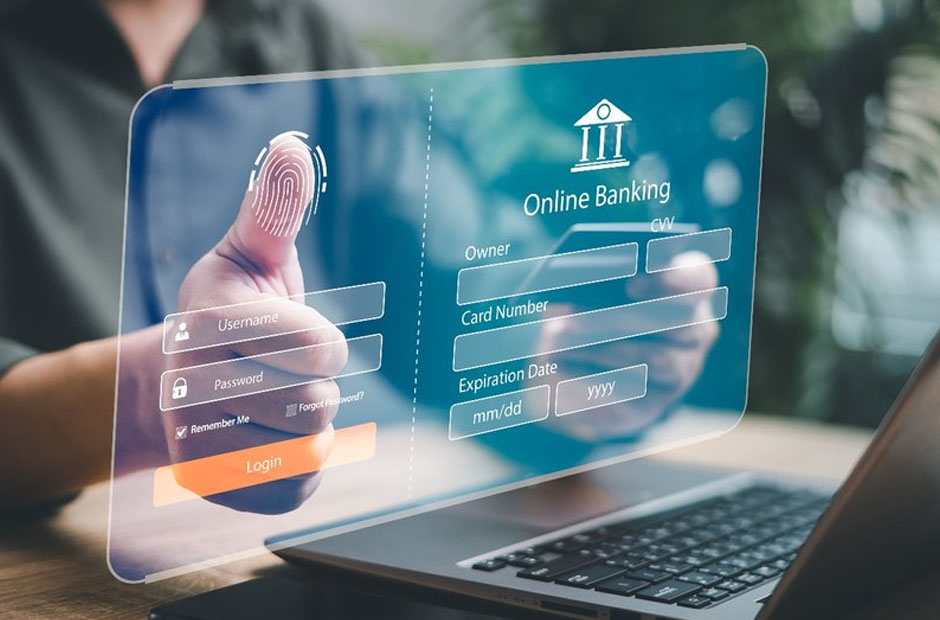
- Multifactor Authentication (MFA):Provides an extra level of protection by requiring multiple forms of identification before you can access your accounts. MFA significantly decreases the likelihood of unauthorized access.
- Encryption:Converts sensitive account and transaction information into a secure form during transmission to keep your data private and unassailable by outside threats.
- Fraud Monitoring and Alerts:Round-the-clock monitoring of accounts for irregular spending patterns or login attempts that can indicate a security breach, allowing prompt detection and intervention. This may include customizable alerts for account activity, giving real-time updates to the account holder.
Features like these make it much more difficult for malicious actors to succeed, as any suspicious activity is flagged early.
Personal Banking Policies That Enhance Security
Strategic banking policies, both at the institutional and personal level, are powerful tools in the fight against fraud and identity theft. One example is the ability to freeze your credit, which restricts access to your credit report and thereby reduces the risk of unauthorized accounts being opened in your name. Banks that allow you to set spending limits or instantaneously turn off debit and credit cards give account holders more immediate control over their funds.
Timely notification settings for suspicious transactions, login attempts, or new device access go a long way toward preventing losses. Banks frequently offer these opt-in programs as part of their basic account package, making it wise for all customers to use these tools for increased protection. Additionally, some institutions require additional verification steps for high-value transactions or unusual transfer requests, ensuring that even if passwords are compromised, additional hurdles deter fraudulent activity.
Best Practices for Account Holders
1. Use Strong, Unique Passwords
Robust password management is one of the simplest and most effective steps you can take. Create long, unique combinations for each financial service and update them regularly. Avoid reusing passwords across multiple services, as a single breach can compromise all accounts that use that password.
2. Regularly Monitor Account Activity
Frequent reviews of account statements and transaction histories can help detect unauthorized activity quickly. If any entry appears unfamiliar or suspicious, contact your bank immediately to minimize potential damage.
3. Enable Account Alerts
Opt-in for push notifications or emails for specific account changes such as withdrawals, deposits, password changes, or login attempts from new devices. These instant alerts serve as early warnings, helping you react swiftly if something is amiss.
4. Be Cautious with Public Wi-Fi
Avoid accessing your banking information using shared or unsecure internet connections. Public Wi-Fi networks are more vulnerable to interception, making them a favorite target for cyber attackers. Always use a secure home network or a private VPN when performing any financial transactions online.
Conclusion
Taking proactive steps to understand and utilize personal banking policies is fundamental to preserving your financial health and peace of mind. The evolving threat landscape demands constant vigilance and an informed approach to both technological and behavioral defenses. By mastering your bank’s security features, adopting best practices, and remaining alert to new developments, you can protect your assets, identity, and financial future for years to come.