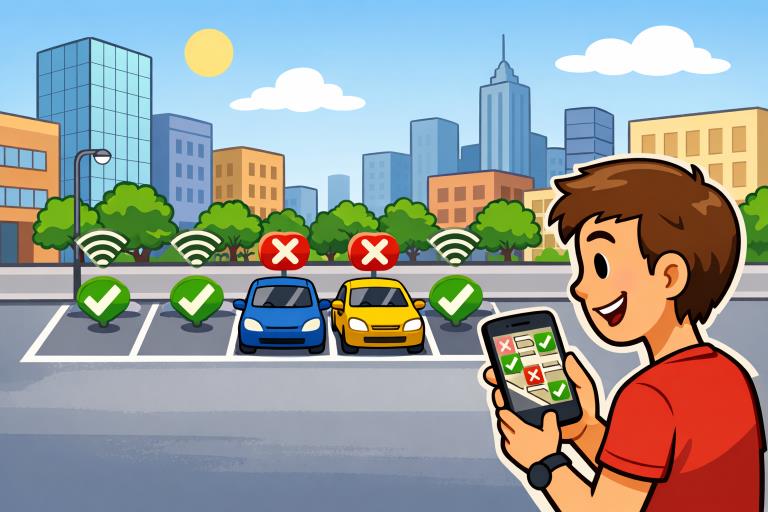
As urban populations continue to rise, cities face a pressing need to optimize parking management. Smart parking solutions have emerged to address these complexities, providing cities with powerful tools to maximize space utilization, reduce congestion, and enhance drivers’ daily experience. Technology-driven systems, such as parking lot software for efficient operations and customer convenience, allow municipalities and businesses to streamline parking processes and create more accessible, intelligent urban environments.
As urban streets grow increasingly busy, inefficient parking not only frustrates drivers but also causes significant traffic delays and environmental impacts. Integrating real-time data with user-centric technology offers an opportunity to improve how we manage vehicle parking, ensuring every available space is used to its best advantage and that both cities and commuters reap the benefits of modernization.
Introduction to Smart Parking
Smart parking refers to the deployment of technology such as sensors, connected devices, and intuitive software to better manage urban and private parking spaces. These advanced solutions enable cities to monitor vehicle movements, track occupancy rates, and offer seamless payment options, while collecting valuable usage data. By creating an ecosystem of real-time communication between parking spaces and drivers, smart parking addresses the key pain points of traditional parking infrastructure.
For individual drivers, this means less time circling blocks searching for open spaces and easier access to services like mobile payments or digital reservations. Municipalities, on the other hand, benefit from optimized space allocation and data-driven insights to inform parking policy and urban planning decisions.
Benefits of Smart Parking Systems
- Reduced Traffic Congestion:Studies have shown that up to 30 percent of urban traffic may be attributed to drivers searching for parking. With smart parking, real-time space availability guides drivers directly to open spots, cutting down overall travel time and vehicle emissions. According to Smart Cities Dive, cities that have deployed these systems have observed a measurable decrease in congestion hotspots.
- Enhanced User Experience:Modern smart parking systems often include user-friendly mobile applications that display parking data, offer digital payment options, and sometimes allow for space reservations. These conveniences translate into an easier, less stressful parking process.
- Optimized Space Utilization:Dynamic pricing and around-the-clock monitoring help ensure that every available parking spot is used effectively, based on real-time demand and usage patterns.
- Increased Revenue for Cities:With more accurate enforcement and digital payments, municipal authorities can capture untapped revenue streams and reduce instances of unpaid parking fees.
Key Technologies in Smart Parking
- IoT Sensors:Installed in individual parking spots, these sensors provide instant feedback when a space becomes occupied or vacant, feeding data back to a centralized dashboard or user-facing app.
- Mobile Applications:Many smart parking solutions are built around apps that let users find, reserve, and pay for spots from their smartphones, offering maximum convenience and flexibility.
- Data Analytics:By harnessing information collected from sensors and historical usage, AI-driven analytics can forecast future demand, personalize user experiences, and help authorities plan for changes in parking requirements.
- Automated Payment Systems:Contactless and automated payments eliminate the need for cash transactions, speeding up entry and exit while reducing operational costs.
Case Studies of Successful Implementations
- Pittsburgh’s Smart Loading Zones:Pittsburgh dramatically expanded its smart loading zone initiative, growing from 20 to 75 locations equipped with IoT technology to efficiently manage curb space. The city documented smoother traffic flow and increased safety around high-traffic business districts.
- INRIX and Automotus Integration:INRIX’s collaboration with Automotus extended real-time parking and loading occupancy tracking to cover 13 new cities, encompassing nearly 400 city blocks. City planners now benefit from robust, data-driven insights to better manage urban curbs and parking.
Challenges and Considerations
- High Implementation Costs:Building the technological infrastructure necessary for comprehensive smart parking systems can require significant up-front investment. Smaller municipalities may struggle to fund these projects without state or private support.
- Data Privacy Concerns:The collection and storage of user and vehicle data, while valuable for operations, raise legitimate privacy and cybersecurity concerns. Cities and solution providers must remain vigilant in maintaining data protection standards in line with regulations such as GDPR.
- Maintenance and Upkeep:Relying on connected sensors and software introduces long-term maintenance demands. Regular system updates, repairs, and employee training are necessary to avoid service disruptions.
Future Trends in Smart Parking
- Integration with Autonomous Vehicles:The rise of autonomous vehicles will further reshape parking needs, as cars may park themselves or even return to pick up their owners automatically, creating new requirements and opportunities for smart parking platforms.
- Enhanced Data Analytics:The increasing sophistication of data analytics tools will enable cities to better anticipate demand, detect usage trends, and set policies in real time.
- Sustainable Practices:Smart parking can help cities reduce carbon footprints, not just by decreasing driving time, but also by supporting electric vehicle adoption through targeted EV charger deployments and preferential access for green vehicles. The Brookings Institution highlights how this can align with broader sustainability goals.
Conclusion
Smart parking solutions are becoming an essential part of tomorrow’s urban infrastructure. By adopting these systems, cities and private operators can streamline daily operations, reduce congestion, deliver better public services, and make meaningful strides toward greener, more livable environments. Continued advances in technology and analytics will only expand the transformative potential of smart parking in the years to come.