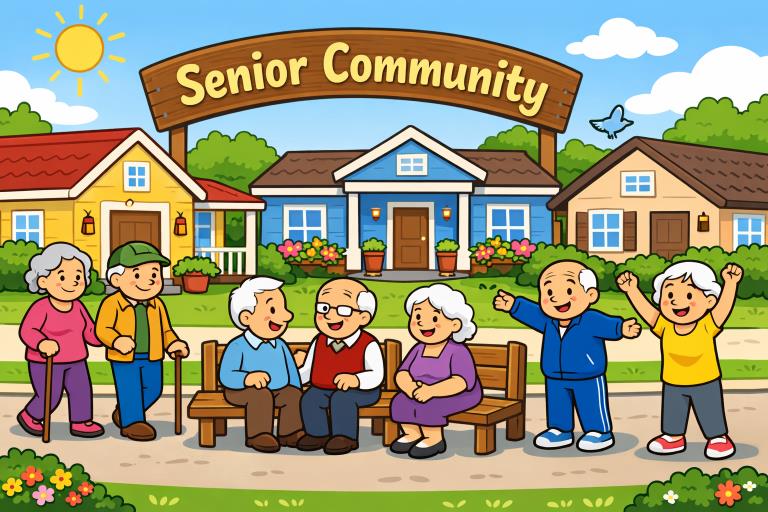
As the senior population continues to grow, Sussex County has responded with an impressive variety of living options to meet the evolving needs of its residents. From vibrant independent living communities to specialized care, choosing the right environment for yourself or a loved one is an important decision. Whether you are seeking active community life or professional assistance, there are many quality options. For those who need supportive care and a welcoming atmosphere, assisted living Sussex County offers a modern approach tailored to seniors’ lifestyles.
Sussex County’s offerings reflect the diversity and individuality of its senior community. Facilities differ widely in services, amenities, and levels of care, allowing families to find a personalized fit. Many communities provide wellness programs, meaningful social engagement, and access to specialized medical support. These factors are crucial when considering longevity and quality of life. Understanding the differences among types of residence helps make informed choices for long-term well-being.
Independent Living Communities
Independent living communities cater to seniors who maintain high levels of autonomy but appreciate the support and companionship of a community. These residences are ideal for those who do not require daily assistance but seek convenience and social connection. Residents enjoy on-site activities, dining services, fitness centers, and diverse events that foster a dynamic and healthy lifestyle.
This housing option is ideal for older adults who want to downsize, reduce household responsibilities, and take advantage of social opportunities. Safety features, transportation, and recreational opportunities further enhance day-to-day living. According to a recent AARP report, independent living environments significantly improve participants’ overall happiness by providing access to communal resources and companionship.
Assisted Living Facilities
Assisted living offers an ideal balance between personal independence and professional aid. These facilities provide tailored support with daily activities such as medication management, bathing, dressing, and mobility, while empowering residents to remain as self-sufficient as possible. Professional and compassionate staff are present around the clock.
Assisted living environments are designed with seniors’ comfort and safety in mind. Residents enjoy private apartments or suites, nutritious meal plans, wellness programs, and organized outings. Visitors and family are encouraged to participate in community events, which help maintain important social ties and emotional well-being.
Memory Care Units
Memory care specializes in serving individuals living with Alzheimer’s disease or other forms of dementia. These secure environments are staffed by highly trained caregivers who understand the unique needs of individuals with memory impairment. Safety and routine are essential components that help residents maintain a sense of familiarity and peace of mind.
Beyond basic supervision and care, memory care communities provide structured activities that promote cognitive stimulation and social interaction. Access to therapies, family support programs, and secure outdoor spaces further reflect their commitment to improving residents’ quality of life and families’ peace of mind. For additional information on elder care trends, Forbes Health offers a comprehensive overview of different senior living structures.
Skilled Nursing Facilities
Skilled nursing facilities, also known as nursing homes, provide 24-hour medical care for seniors with chronic or severe health conditions. Staffed by licensed nurses and rehabilitation professionals, these centers offer round-the-clock care for those transitioning from hospital stays or managing advanced illness. Services often include physical, speech, and occupational therapy as part of a comprehensive care plan.
Family involvement is encouraged, and care teams collaborate regularly to adjust medical and rehabilitation regimes as needs evolve. This setting is particularly beneficial for post-surgical recovery, chronic disease management, and ongoing health monitoring, providing capabilities beyond those available in lower-acuity environments.
Affordable Housing Initiatives
Access to affordable, quality senior housing remains a major priority in Sussex County. Nonprofits and local agencies have expanded their support for older adults through cost-effective, safe housing initiatives. Notably, organizations like CHEER are at the forefront of these efforts, with projects such as the Gateway East Senior Residential Village in Georgetown. Upon completion, the project’s expansion will add 236 new apartments, designed to serve low- and moderate-income residents and alleviate housing shortages for older adults.
This approach ensures seniors can age comfortably without the financial burden of traditional markets. Programs like this are integral for those on fixed incomes and demonstrate the region’s commitment to inclusive community development. More information on affordable housing options is available from CHEER and in local news sources.
Continuing Care Retirement Communities
Continuing Care Retirement Communities (CCRCs) are innovative settings that offer multiple levels of care on a single campus. Residents can transition between independent living, assisted living, and skilled nursing as their health needs change, without the disruption of relocation. The Moorings at Lewes stands out as a local CCRC, emphasizing flexibility, continuity, and comprehensive support services for the aging population.
CCRCs prioritize long-term planning, allowing couples or individuals to remain together despite differing care needs. These communities offer a predictable, reassuring pathway for seniors seeking a permanent home that addresses evolving medical and personal needs.
Community Support Services
Community-based support is pivotal in helping seniors thrive independently. Sussex County has developed programs such as WeCare, which operates out of the Milford Wellness Village. These initiatives provide assistance in navigating healthcare, transportation, nutritious meals, and recreational activities. By connecting residents and families with the right resources, such support services enhance independent living and overall health.
Local health systems and community groups frequently collaborate to address care gaps and offer outreach, educational workshops, and holistic wellness programs. These services empower seniors to make informed decisions and remain active participants in their care.
Choosing the Right Option
Selecting the most appropriate living situation hinges on a thorough evaluation of health, independence, personal preferences, and financial situation. Discussing options with healthcare providers and involving family can make the transition smoother and less stressful. Be sure to tour communities in person and ask about safety measures, social offerings, staffing, and flexibility as needs change.
The Sussex County area shines with robust senior living resources from affordable apartments to high-quality care centers. Whether considering independent living, memory care, or a move to a CCRC, knowing the available options makes it possible to secure a comfortable and supportive future for yourself or a loved one.